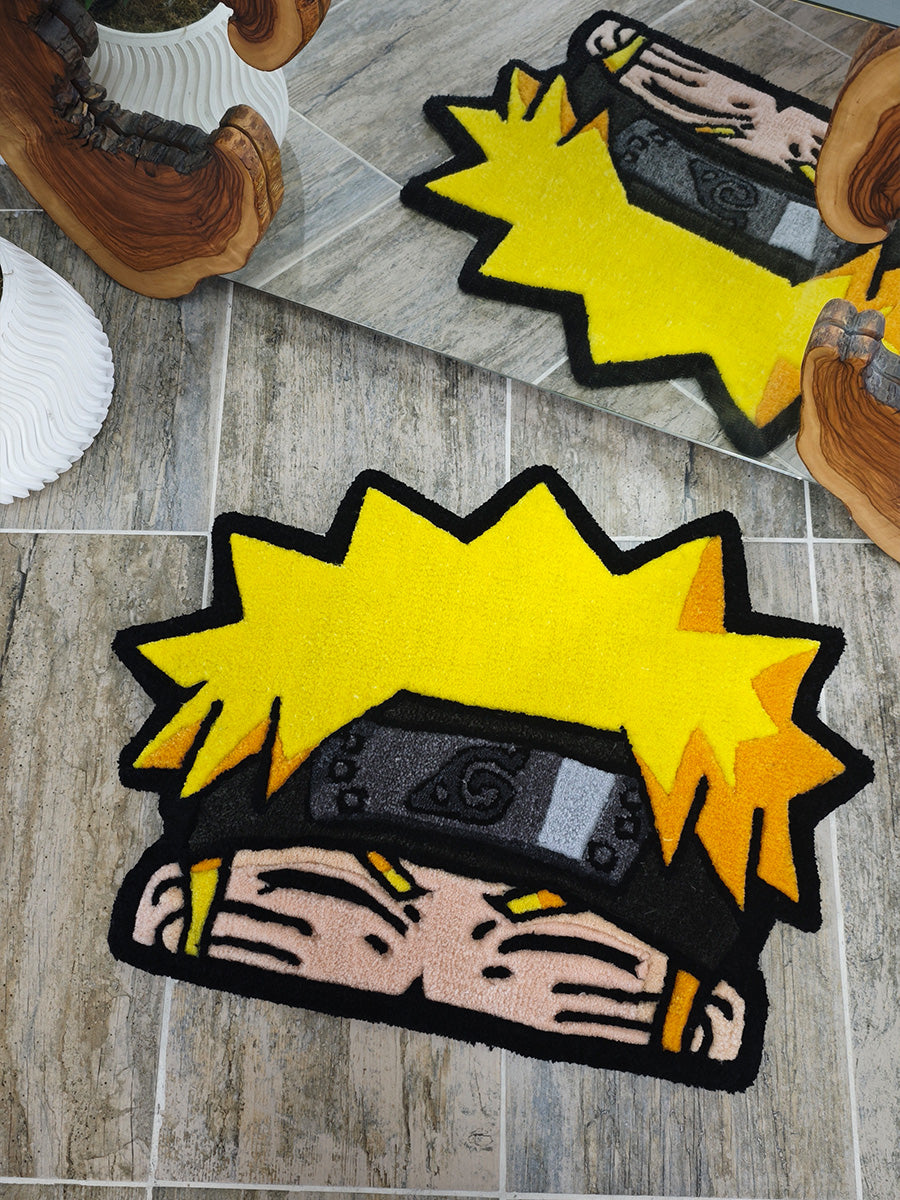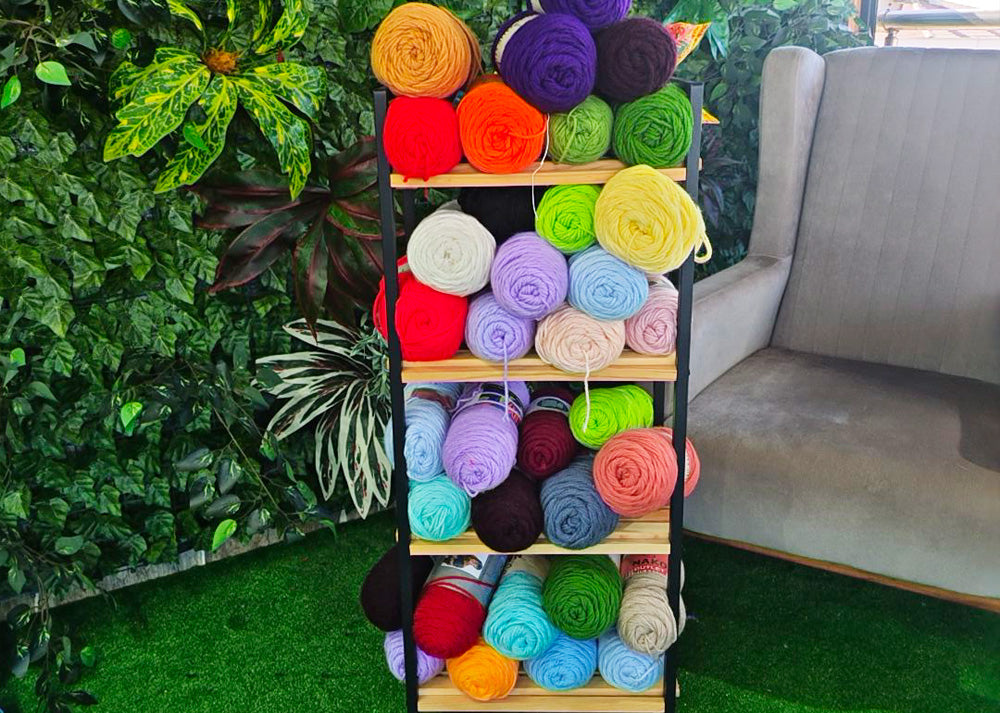
When you hold a tufting rug, the fullness, softness, and durability you feel are not coincidental. It all comes down to the "Yarn Engineering" behind thousands of loops. A tufting gun is a powerful, high-speed tool; ordinary knitting yarns often cannot withstand this speed and pressure.
So, what makes a professional tufting yarn? Why do thickness, twist, and winding matter? At GG Tufting, we reveal the secrets of the high-standard yarns we use in our creations.
1. The 3 Golden Rules of Ideal Yarn
You can't just use "any yarn" for tufting. For the yarn to flow smoothly through the machine and look dense on the rug, it needs these 3 qualities:
A tufting gun strikes 40-50 times per second. Weak yarn breaks constantly. The ideal yarn stretches slightly when pulled but retains its form without snapping.
Very thin yarn (lace weight) falls out of the needle, and very thick yarn gets stuck. The ideal thickness is equivalent to Worsted Weight (Category 4) or roughly 3-4 mm.
The fibers forming the yarn must be tightly wound together. Loose yarns unravel at the gun's tip, creating a messy, "fuzzy" look on the rug surface.
2. Winding Style: Flow is Key
When tufting, the yarn must flow like water without snagging. This is where the winding style becomes vital.
The yarn pulls from the outside. It often rolls around, tangles, and can break the gun needle. Must be re-wound before use.
The yarn flows upwards with zero resistance. This is the required form for professional tufting workflow.
3. Why Does "Ply" Count Matter?
Multiple Layers for a Dense Rug
If you untwist a piece of yarn, you'll see how many strands it's made of. This is called "Ply."
The standard for tufting is 3 or 4-ply yarn. Additionally, in our production, we often feed 2 or 3 strands simultaneously into the gun. This doubles the density, making the rug look rich and firm.
4. Acrylic vs. Wool vs. Cotton?
| Material | Feature | Best Use Case |
|---|---|---|
| 100% Acrylic | Bright, soft, stain-resistant, and affordable. | Decorative rugs, low-traffic areas. |
| Wool | Matte, natural, resilient to pressure, long-lasting. | Living room area rugs, luxury designs. |
| Cotton | Natural but flat/matte. Can get dirty easily. | Wall art (Tapestry) & decor. |
Extremely hairy "Mohair" yarns, glitter/novelty yarns, or slippery "Velvet/Chenille" yarns are generally not suitable for tufting guns. They can jam the scissor mechanism and damage the machine.
Yarn Quality = Rug Quality
Choosing the right yarn ensures that the rug not only feels good to the touch but also withstands years of use without matting, fading, or unraveling. The better the yarn, the more professional the result.
If you want to own a high-standard, ready-made tufted rug without worrying about yarn weights, cone winding, or material testing, check out the GG Tufting collections. We’ve handled the details so you can enjoy the comfort.