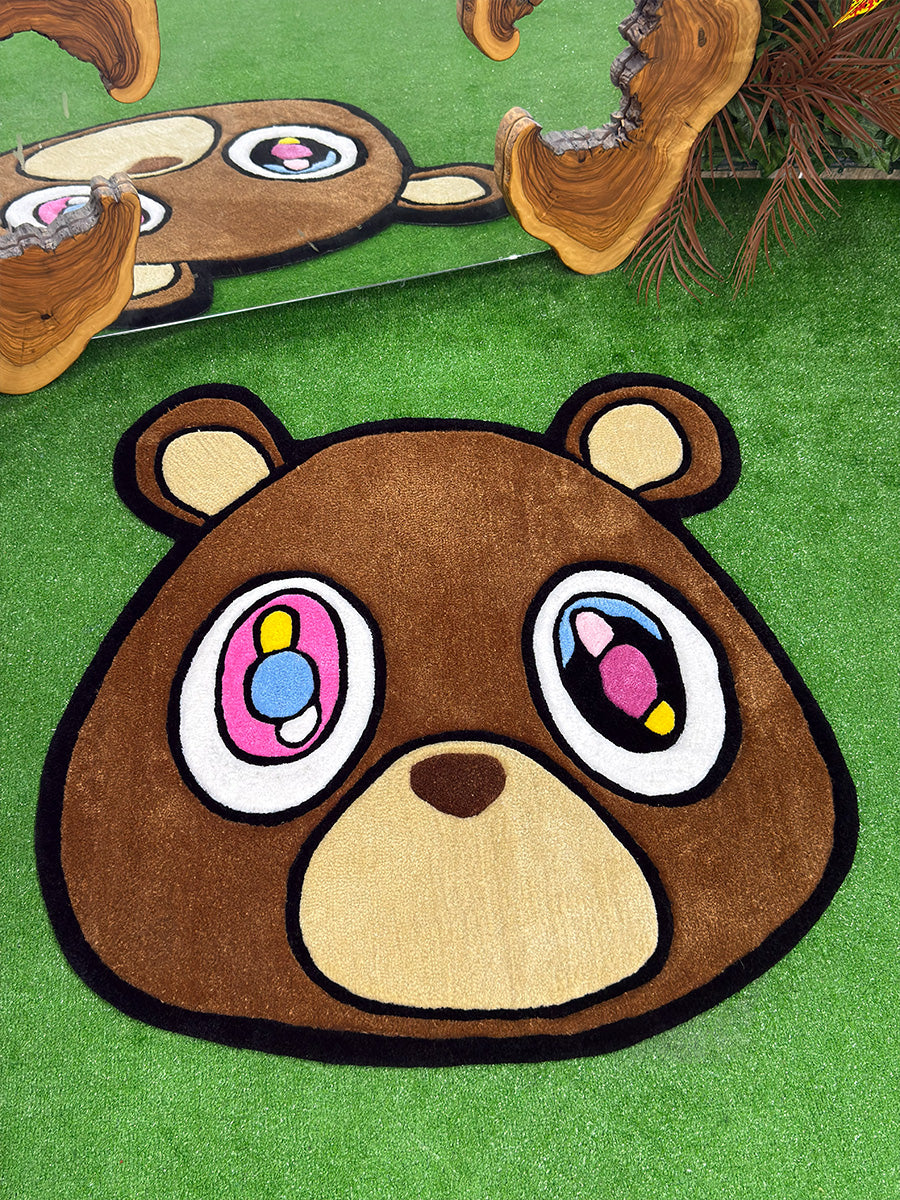
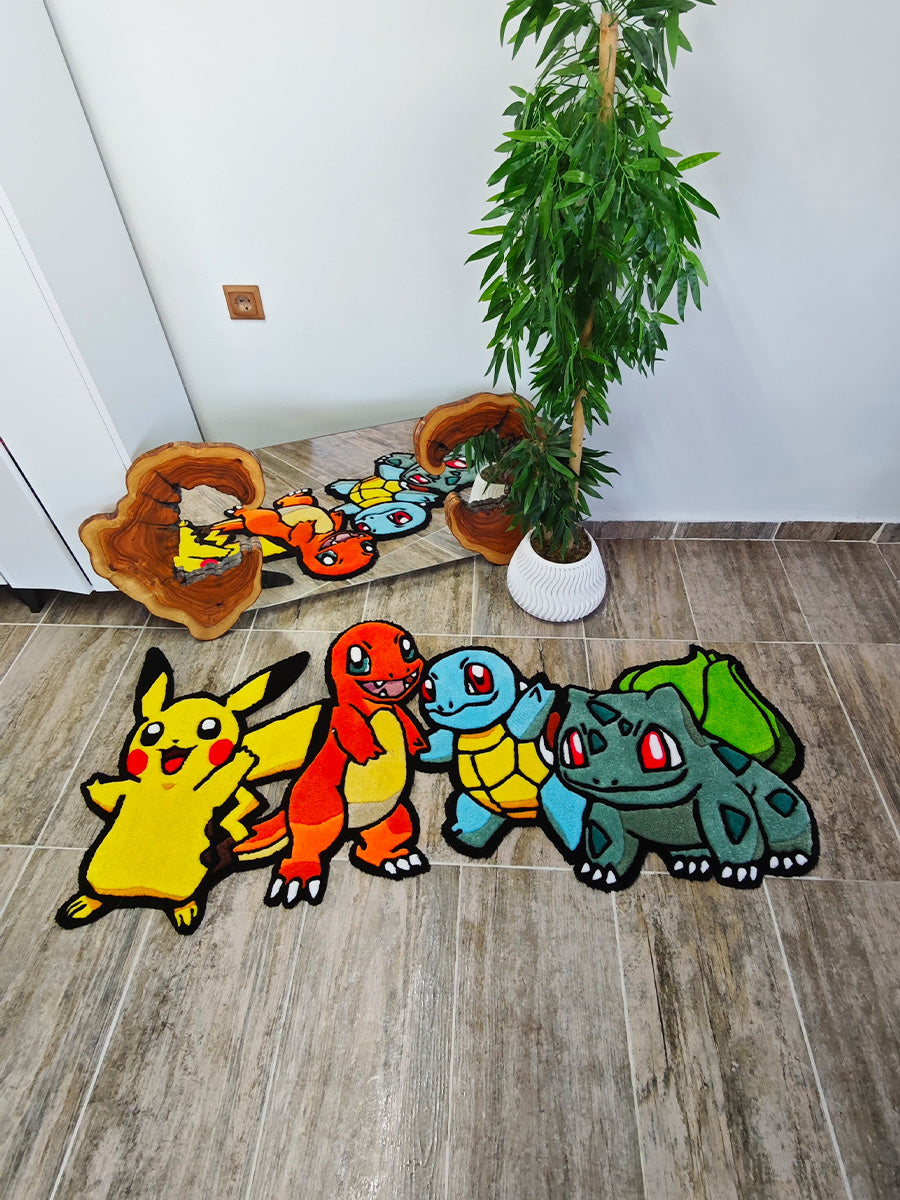
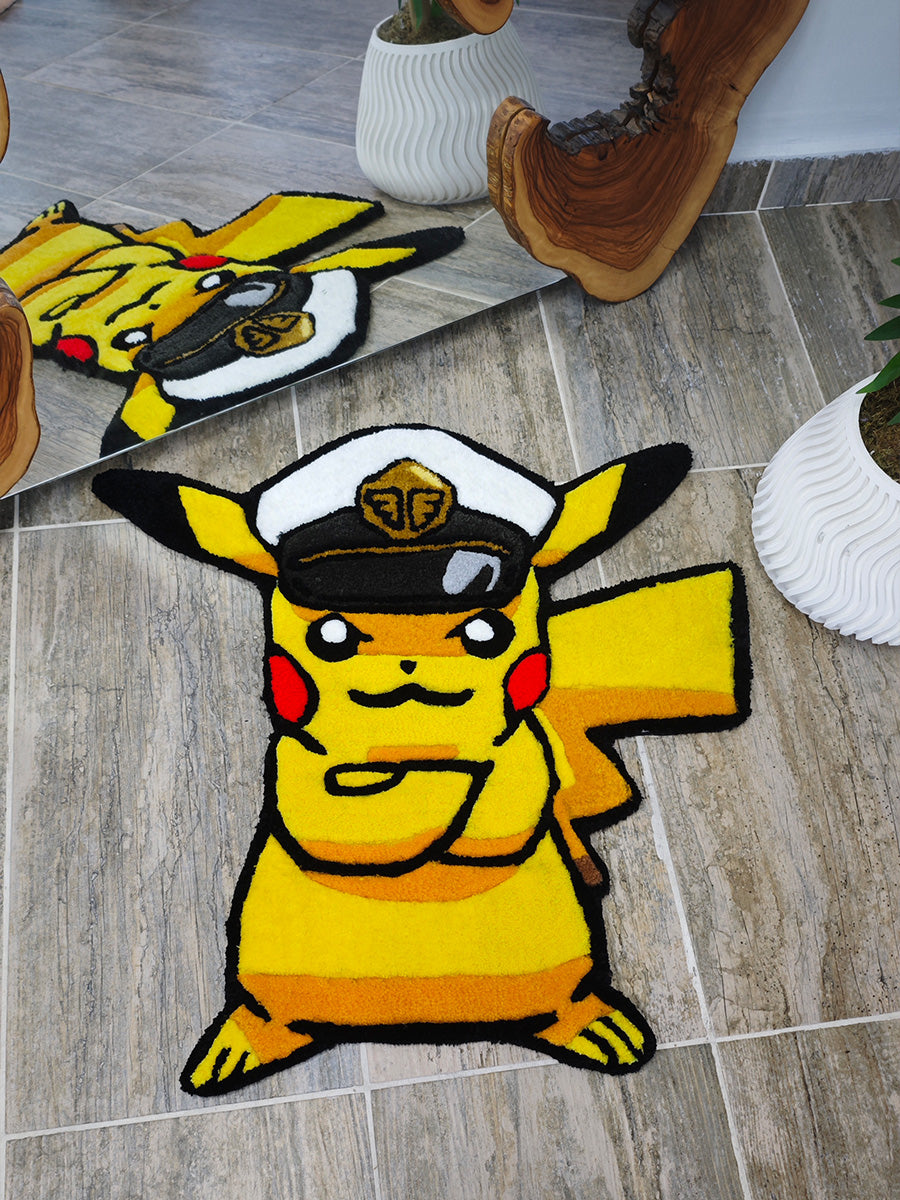
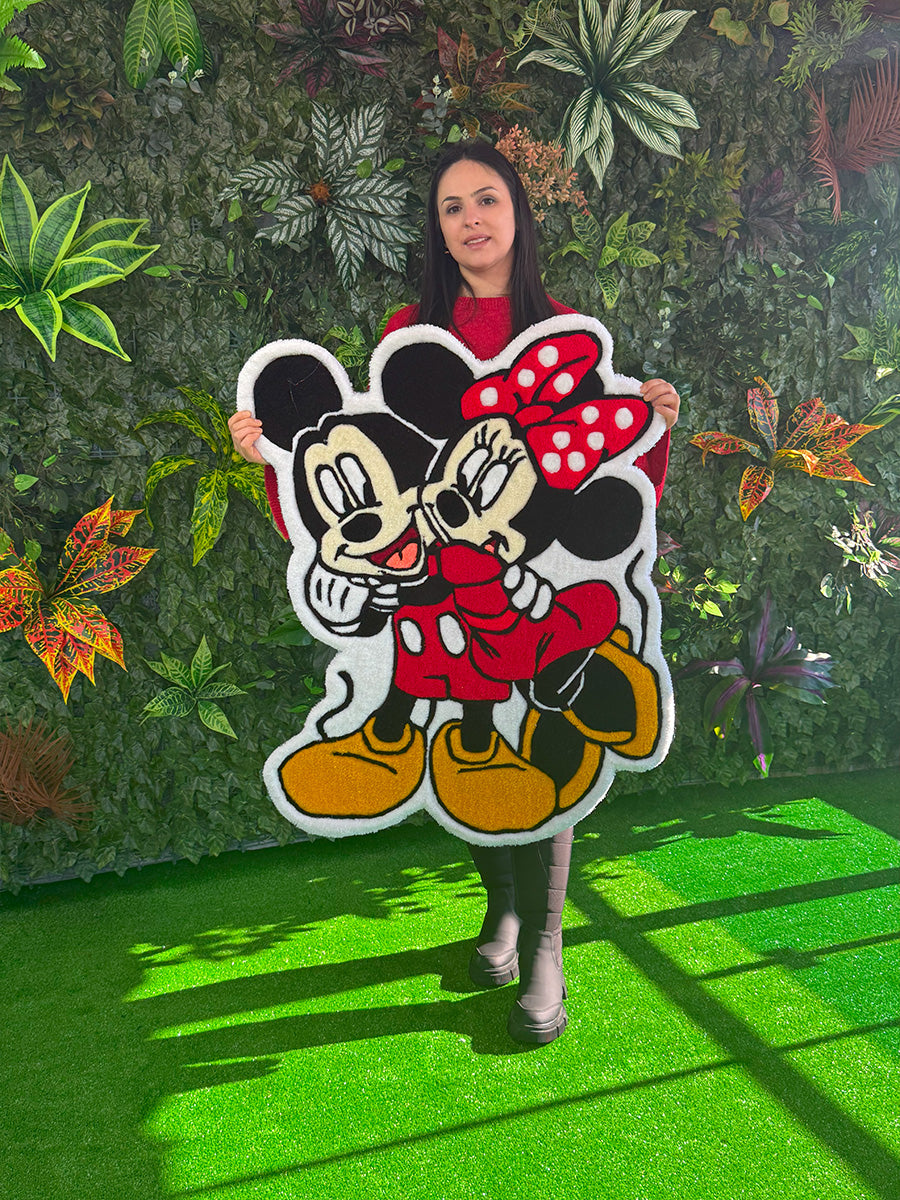
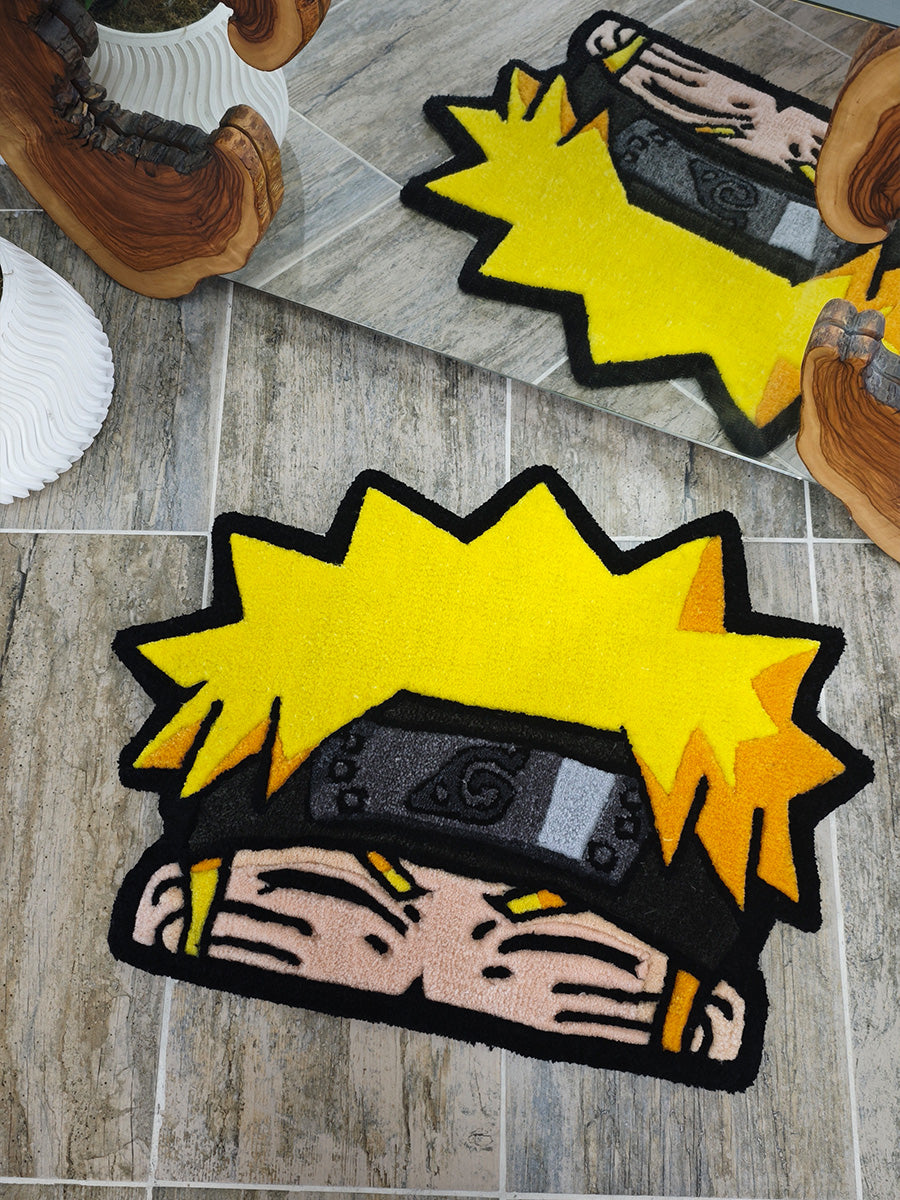
Behind those fluffy, colorful, art-like rugs you see on social media lies serious material engineering. Tufting isn't just simple knitting; it is a combination of electrical mechanisms, specific chemicals, and the right textiles.
In this guide, we've listed all the materials you'll need from a rug's "skeleton to its skin," straight from a manufacturer's perspective and backed by GG Tufting experience. Make sure to read this before preparing your shopping list.
1. The Must-Have Main Equipment
The heart of the craft. "Cut Pile" models are generally preferred because they give the rug that plush, fluffy look. When you pull the trigger, the needle punches in and out of the fabric dozens of times per second.
The cloth must be stretched as tight as a drum. You cannot tuft properly without a sturdy wooden skeleton lined with "Gripper Strips" (carpet tack strips) to hold the fabric tightly in place.
A small but vital tool. It is used to pull the yarn through the eye of the needle at the tip of the gun. They are very easy to lose, so keep extras handy.
2. The Chemistry & Layers of the Rug
You can't use ordinary canvas or burlap; the gun will tear right through them. A special tufting cloth made of 100% Polyester or a Cotton-Poly blend, usually marked with yellow woven guidelines, is an absolute must.
100% Acrylic yarns are commonly used. They offer a wide color palette and a soft texture. For professional-grade or premium pieces, wool yarn can also be preferred.
To prevent the yarns from pulling out, the back of the rug must be sealed. Special bucket adhesives (Latex) or carpet glues are used for this. The smell can be strong, so good ventilation is required.
3. Professional Finishing Tools
When your rug comes off the frame, it isn't "finished" yet. What makes it look professional is the carving and shaving process.
- 🪒
Carpet Clippers (Shaver): Used to level out the surface fuzz and define the design details (a process known as carving).
- ✂️
Duckbill Scissors: Specialty scissors with a unique blade used to fix yarn mistakes and trim excess threads flat against the surface without gouging the rug.
4. Estimated Startup Costs (2024-2025)
If you want to set up a workshop from scratch, here is an average cost breakdown you will encounter:
| Supply/Equipment | Average Price (USD) |
|---|---|
| Tufting Gun (Cut Pile) | $150 - $200 |
| Primary Tufting Cloth (2m x 1m) | $15 - $20 |
| Wooden Frame Supplies | $30 - $50 |
| Carpet Clippers / Carver | $60 - $100 |
| Starter Yarn Set & Glue | $50 - $80 |
| TOTAL ESTIMATED INITIAL INVESTMENT | ~ $305 - $450 |
The Supply List is Complete, But What About the Labor?
As you can see, producing a rug requires more than just yarn; it demands a serious equipment park and chemical processes. Completing this list is just the financial aspect of the job—the real work begins after that.
If you're thinking, "I don't want to deal with sourcing materials, machine settings, and chemical fumes," you can browse our ready-made collections at GG Tufting. We use the highest quality materials to produce professional-standard rugs, allowing you to enjoy effortless quality in your home.