You might have tufted the highest quality rug in the world, but if you can't present it properly, it's as if that rug never existed in the digital world. In tufting, a portfolio isn't just a gallery of "things I made"; it is your strongest sales tool that instills trust in the customer.
So, how do you craft that magical portfolio that turns a hobbyist's page into a professional brand? Here are the technical details backed by GG Tufting expertise.
1. Photography: The 3 Golden Angles
Your customers can't physically touch the rug. The only data they have when making a purchasing decision are the visuals you provide. You must showcase these 3 angles for every product:
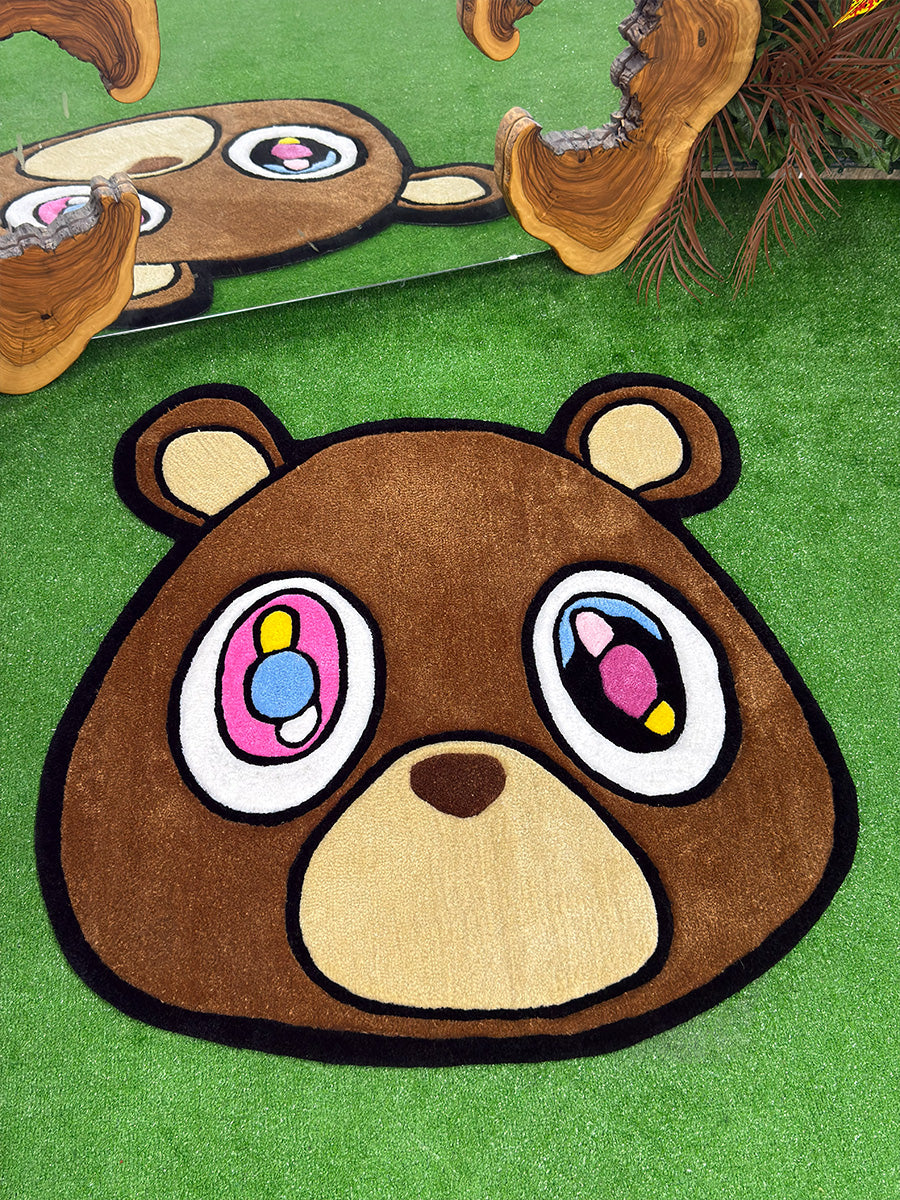
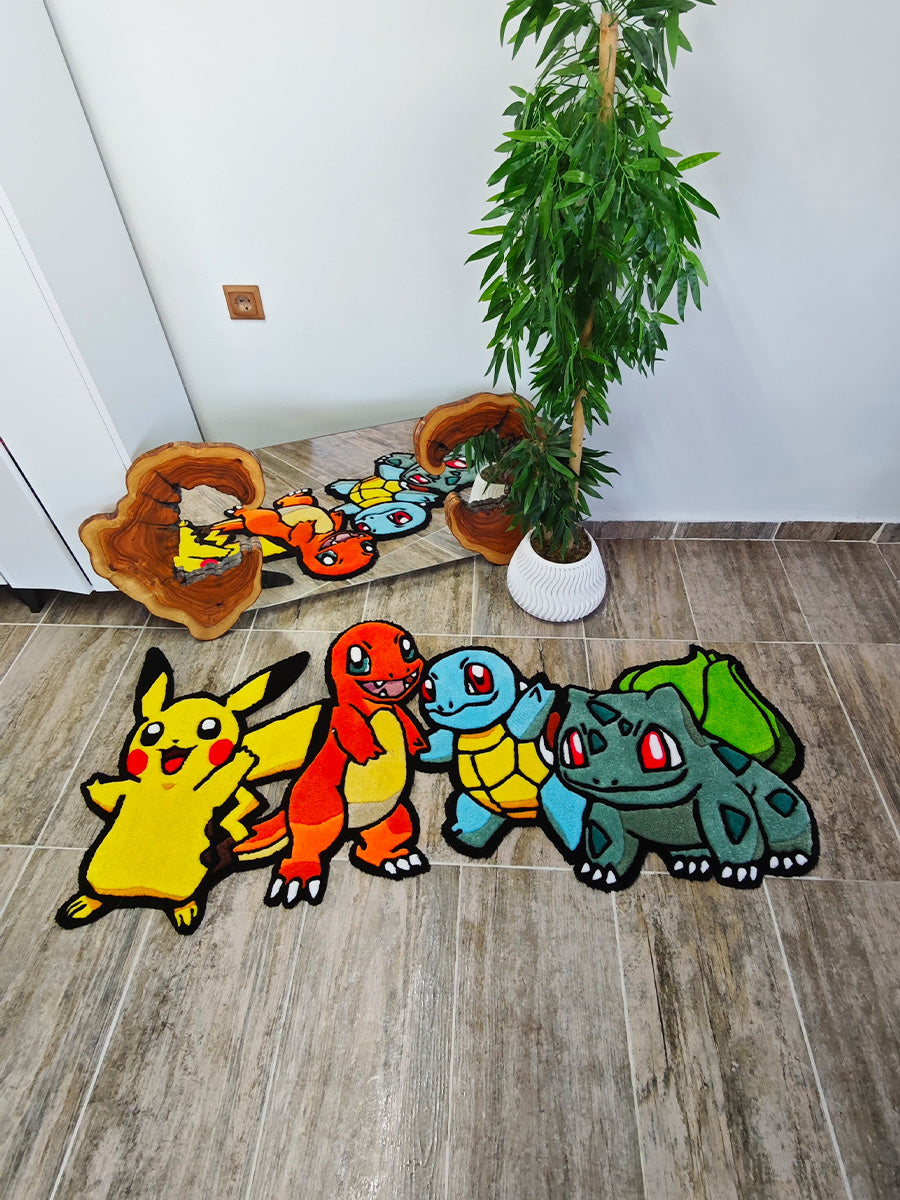
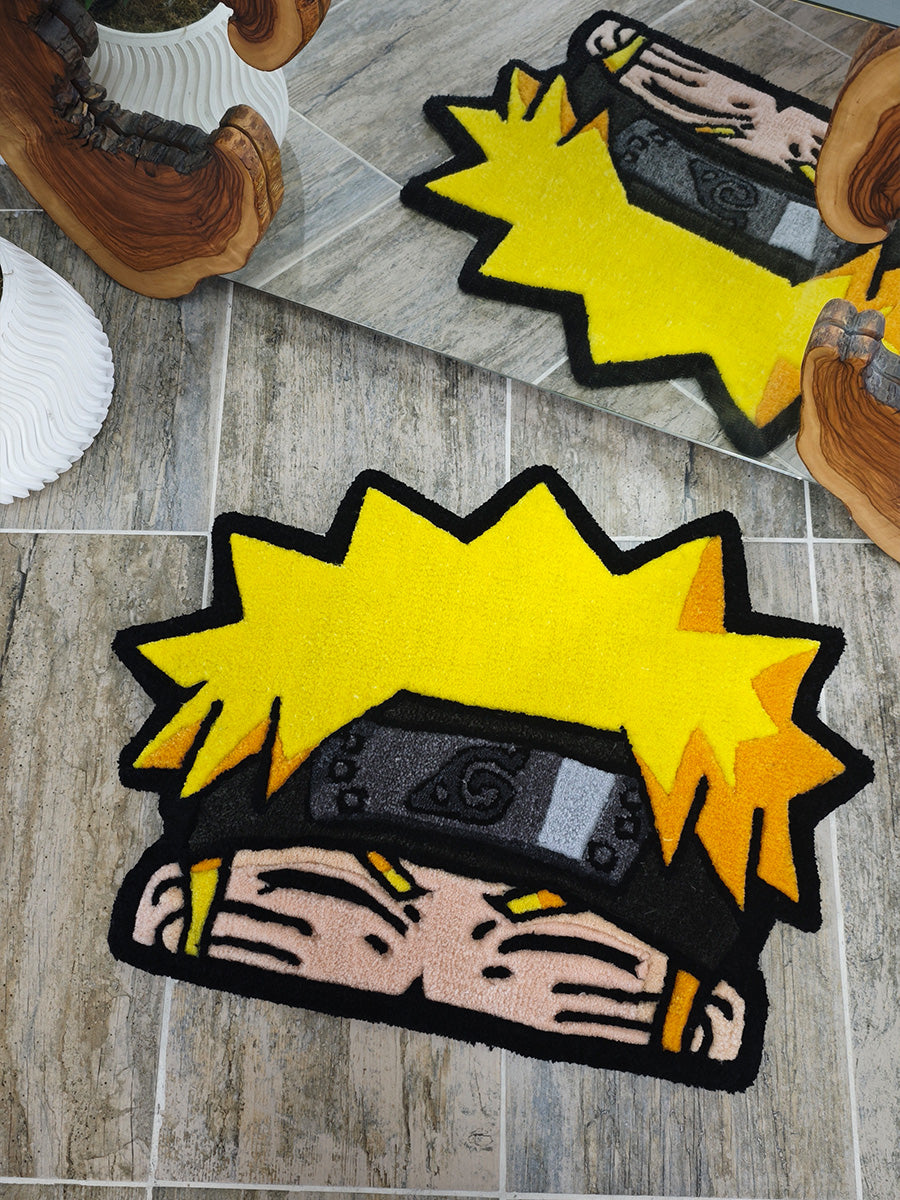
A bird's-eye view on a flat surface. This shows the entire design and its symmetry. Natural light is an absolute must.
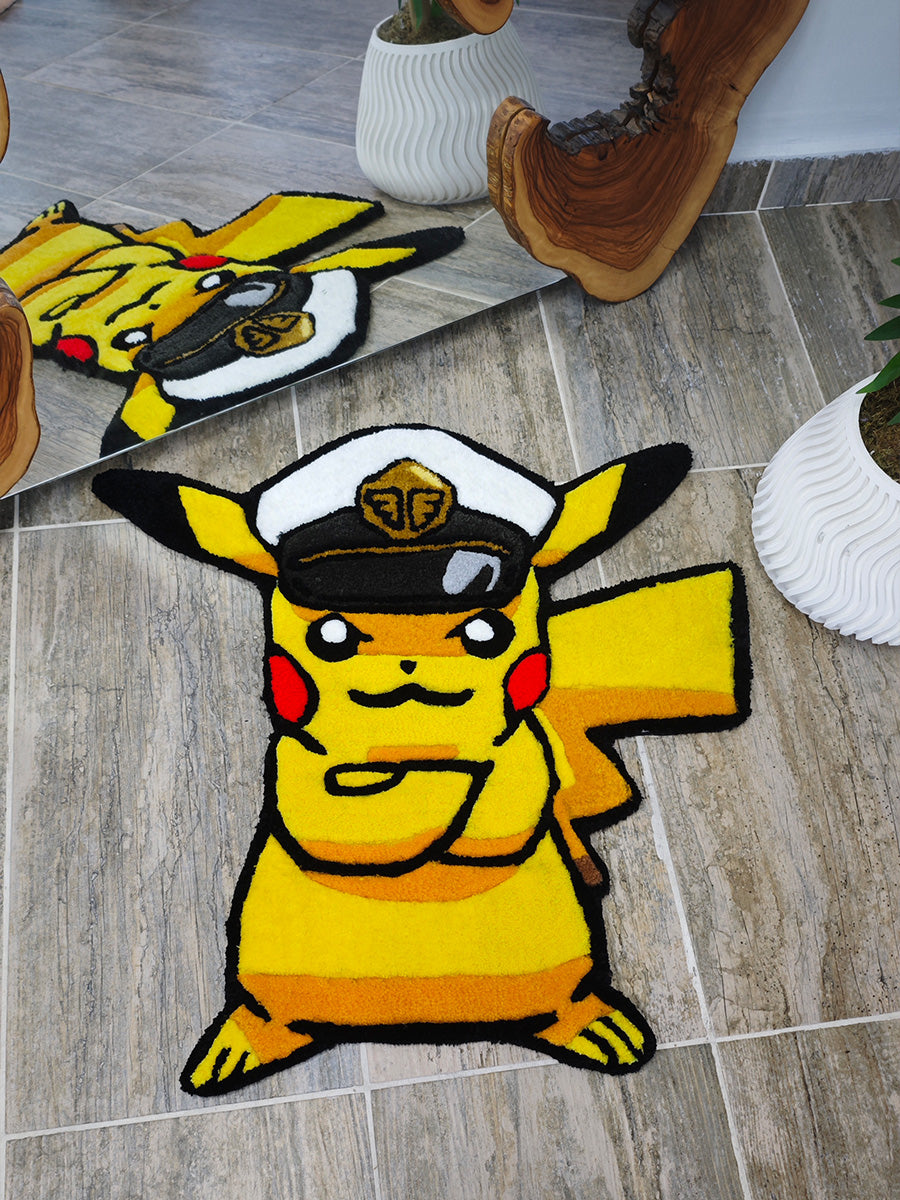
A close-up shot. This proves the quality of your carving (shearing) and the density of the yarn.
Take a photo of the rug next to a couch or a mirror. This creates a sense of scale and atmosphere.
2. Building Trust: The Backing & The Process
In the tufting world, the biggest detail that exposes an amateur is the back of the rug. Most sellers only show the front.
- Clean Finish: Show that your waterfall edges (the folded-over borders) are neat and secure.
- The Process Story: To prove you aren't just "dropshipping" mass-produced items, share Work in Progress (WIP) videos.
- Brand Tag: A custom label with your logo attached to the back of the rug is the ultimate signature of professionalism.
Portfolio Rules
| DO THIS | DON'T DO THIS |
|---|---|
| Use the same color filter or lighting setup across all photos to create a cohesive aesthetic. | Don't post photos taken at night, under yellow bulbs, with heavy shadows that wash out the true colors. |
| Clearly state the dimensions (in inches) and the yarn type (Acrylic/Wool) in the description. | Don't force the customer to "DM for price." Be transparent and professional. |
| Only upload your best work. "Less but better" is always more effective. | Don't add flawed or crooked practice pieces to your main portfolio. Those belong in your "Stories" as behind-the-scenes content. |
4. Digital Organization
If you are building a website, categorize your work to help buyers navigate:
Most people upload photos directly from their phones. This is a massive SEO mistake. If you want to rank on Google, change the file name:
❌ IMG_4920.jpg ✅ handmade-tufted-rug-pokemon-gengar.jpgAlways name your photos using the exact keywords people will type into search engines.
A good portfolio is a living organism; update your past work as your skills improve. Properly presenting the amazing pieces you create with GG Tufting supplies is the key to turning your art into a profitable business.