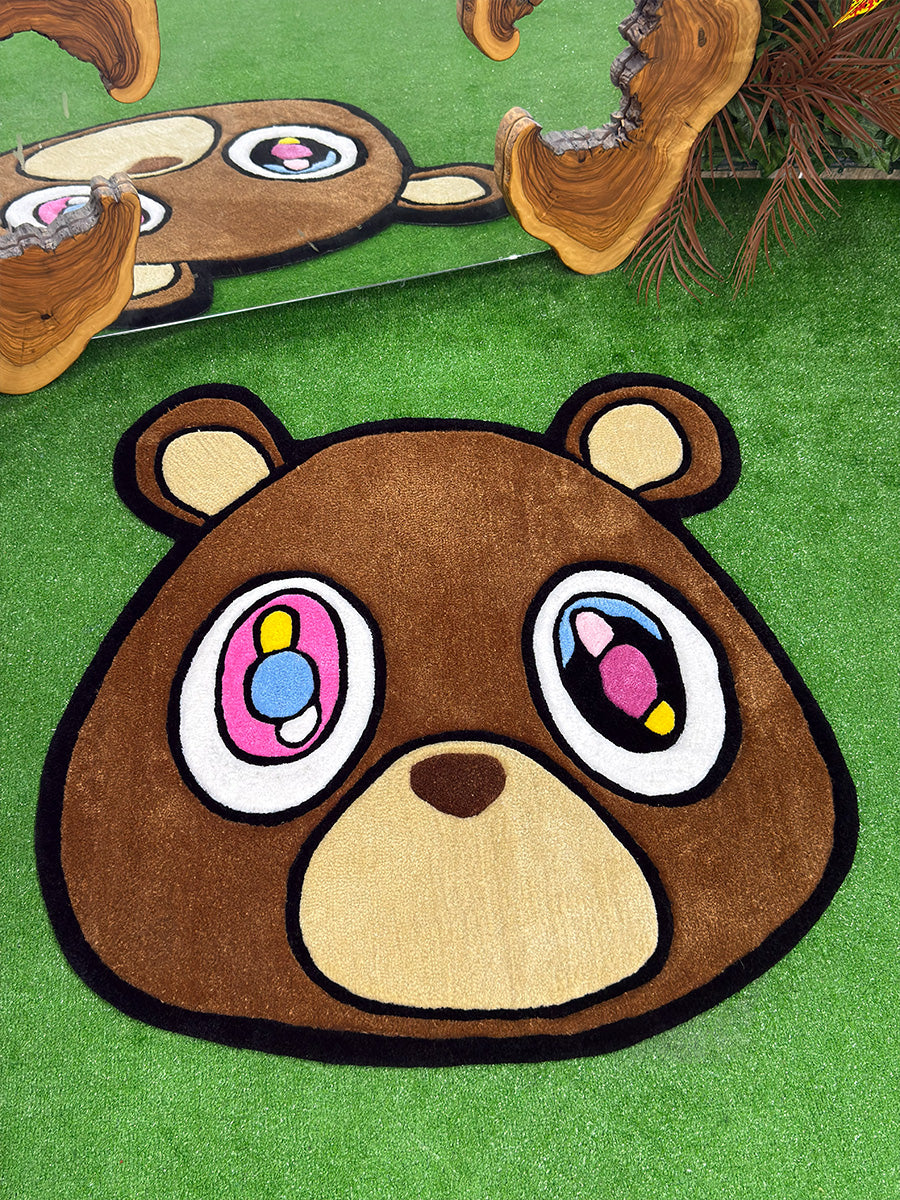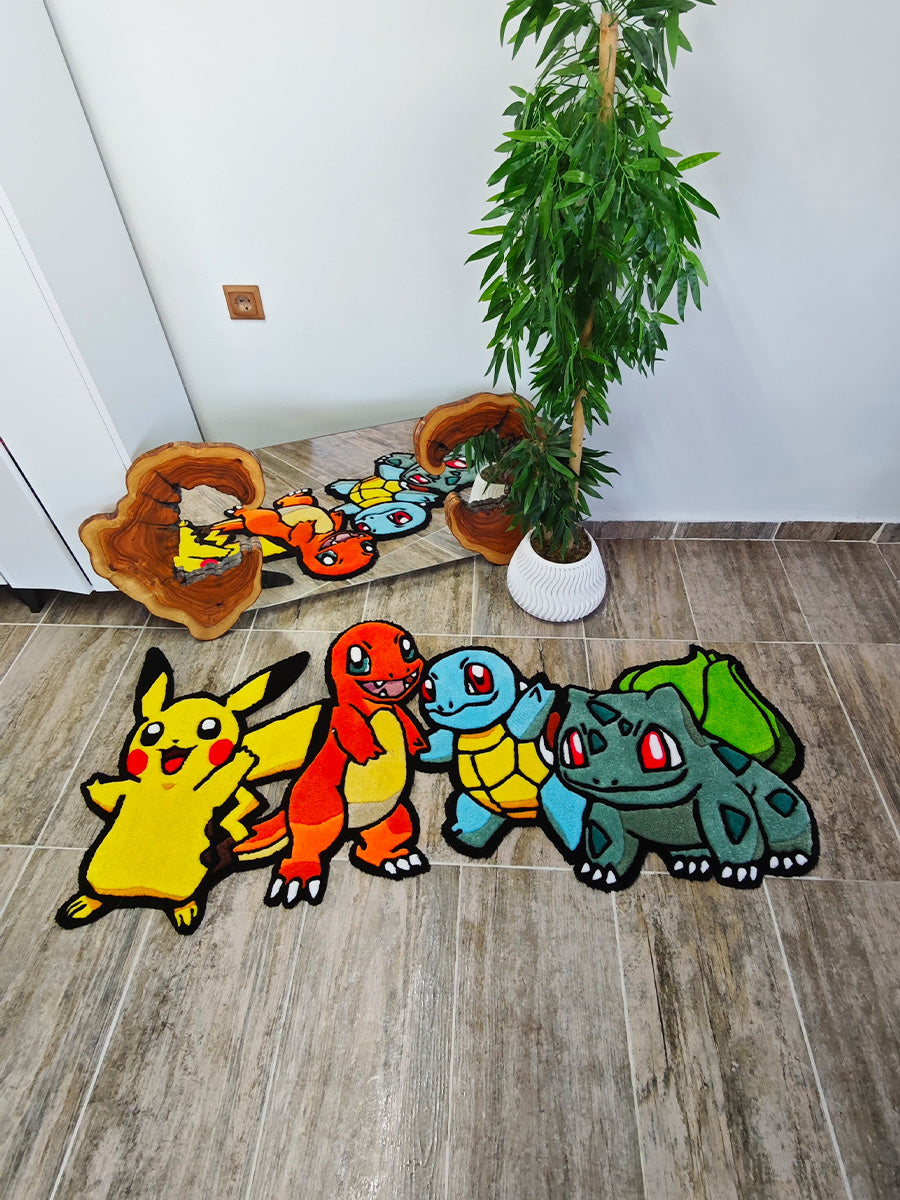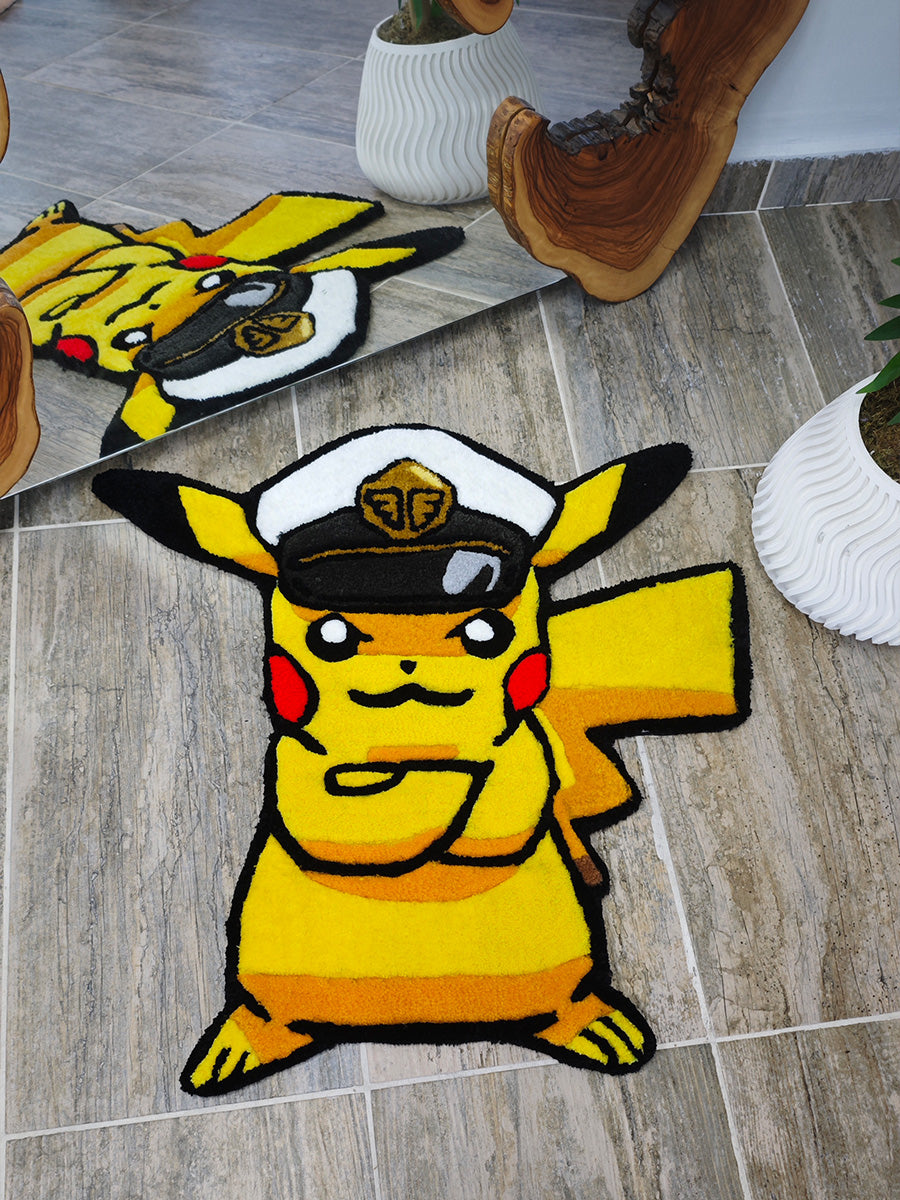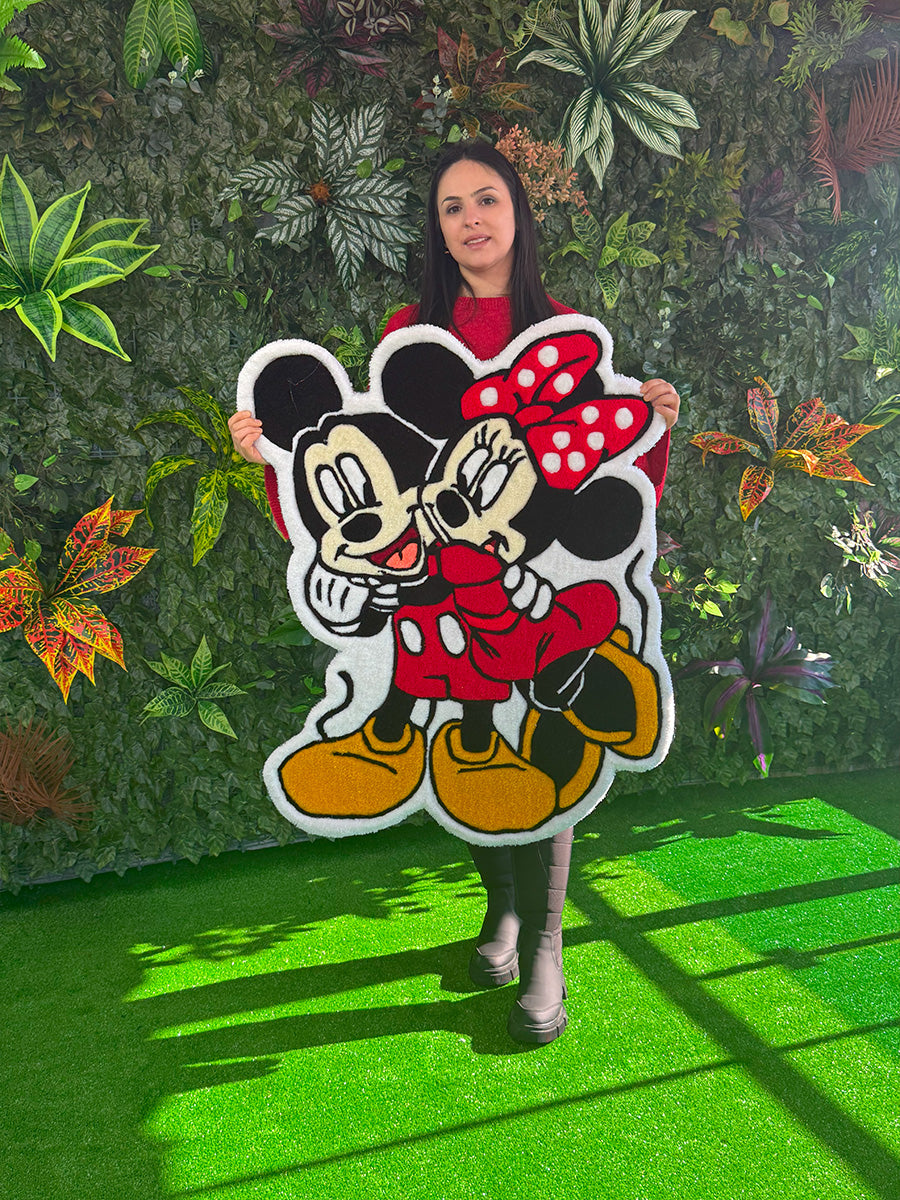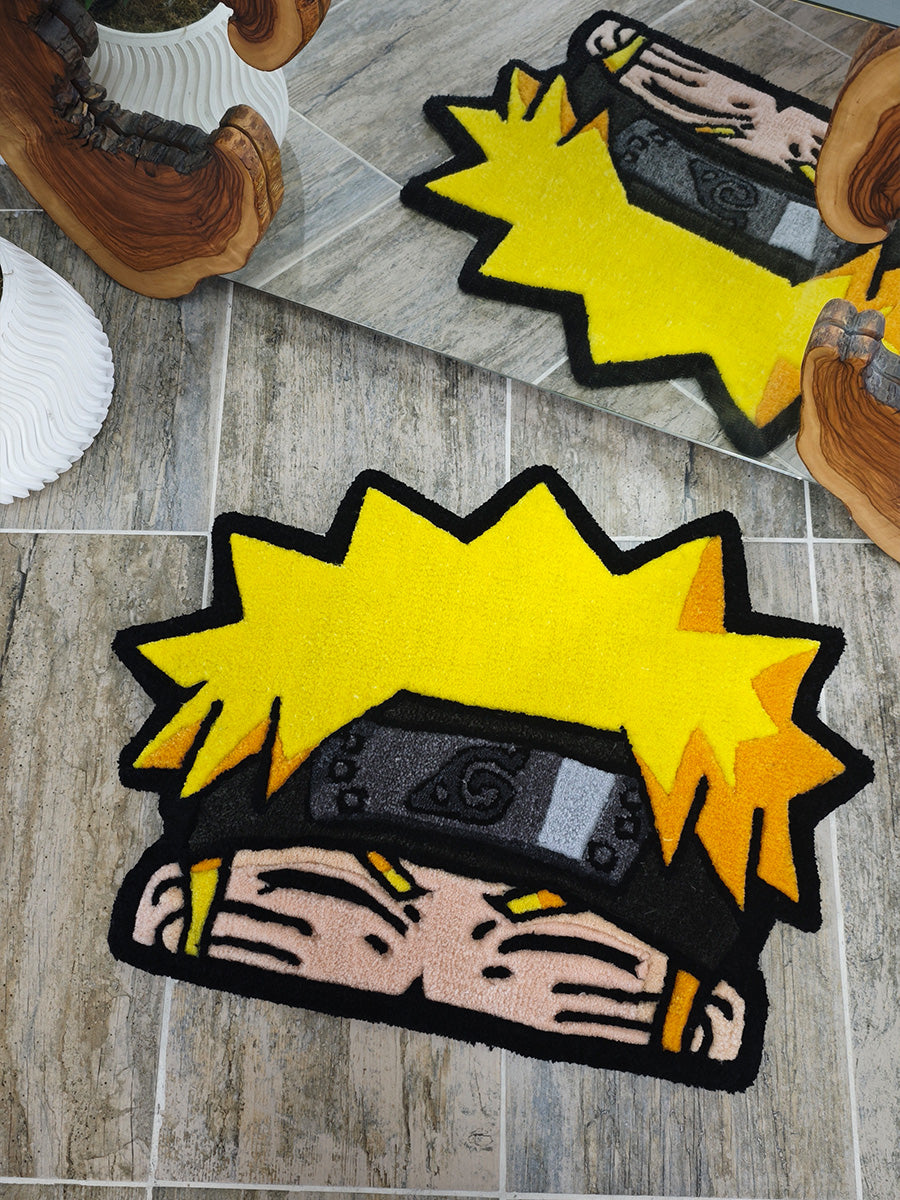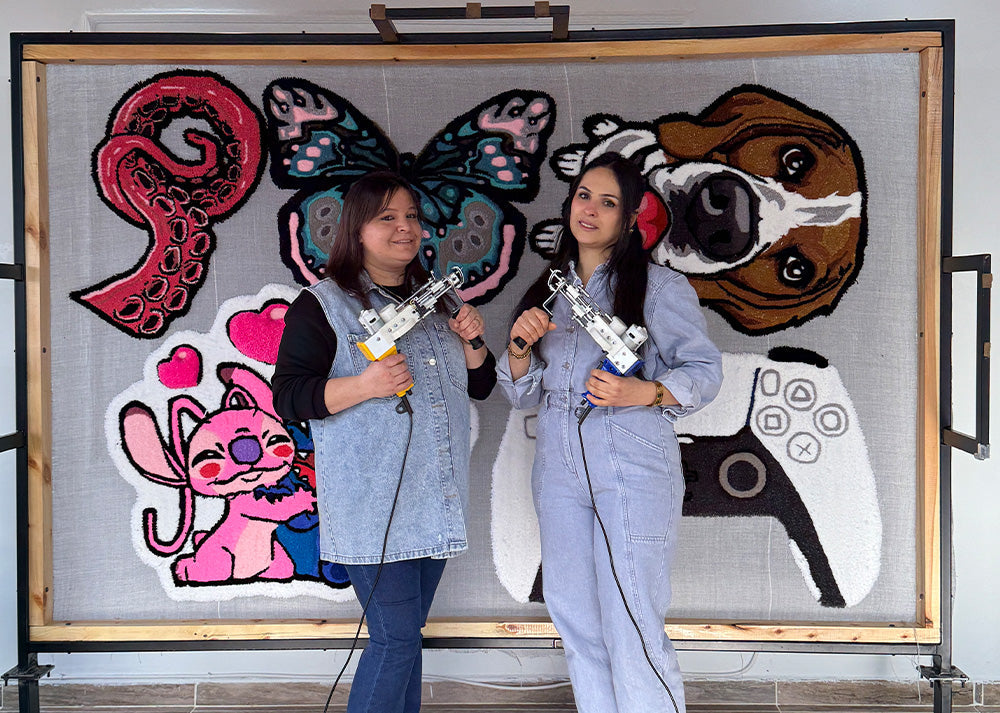
Tufted rugs are decorative pieces that stand out with their personal touch and handmade aesthetic. Selling these unique rugs can be both a creative outlet and a profitable business opportunity. However, the transition from hobbyist to professional seller requires detailed preparation and strategy.
With competition rising on platforms like Etsy, Instagram, and Shopify, how can you elevate your products to a "Premium" level and get them market-ready? Here is the advanced sales guide powered by GG Tufting expertise.
1. Material Selection for Premium Perception
The quality and selling price of your tufted rug are directly related to the materials used. The customer must feel the quality the moment they touch it.
Acrylic yarn is great for hobbies, but for high-ticket sales, choose 100% Wool or high-quality Cotton blends. Wool is the key to the "Premium" label.
Instead of simple felt, achieve a professional finish by using non-slip backing or industrial-standard "Action Back" fabrics.
Use Liquid Latex that remains flexible and odorless. Cheap glues crack and shed over time, leading to customer returns.
2. Unique and Niche Designs
Instead of making "popular characters" that everyone else does, create a collection that carries your own signature.
- Trend Analysis: Follow rising decor trends on Pinterest and Instagram (e.g., Wabi-sabi, Retro Futurism), but interpret them rather than copying.
- Capsule Collections: Create mini-series of 3-5 complementary pieces (e.g., an "Ocean Breeze" series).
- Product Range: Don't just sell floor rugs; offer "entry-level" products like Mug Rugs (coasters), Mirror Frames, and Wall Hangings at more accessible price points.
3. Carving & Quality Control
The biggest difference between a professional rug and amateur work is the "Carving" (Shearing/Trimming) process.
- Crisp Lines: Are color transitions sharply defined using scissors or clippers (V-Cut)?
- Surface Leveling: Has the entire rug been sheared to an even height?
- Edge Finishing: Are the backing edges turned flawlessly (Waterfall method) or bound correctly?
- Cleaning: Have all lint, dust, and yarn scraps been removed with a strong vacuum/lint roller?
4. Product Photography: Your Storefront
In online sales, the customer cannot touch the product, they can only see it. Your photos must "shout" quality.
- Lighting: Never use flash. Shoot in natural daylight without harsh shadows.
- Detail (Macro): Include close-up shots showing the texture of the rug, yarn quality, and carving details.
- Scale & Styling: Always include "Lifestyle" photos with furniture, a vase, or a person to show the rug's size and scale.
5. The Right Pricing Strategy
Don't be emotional; be mathematical. To avoid losses and build a sustainable business model, use this formula:
PRO SALES FORMULA
*The profit margin is used to grow your business and buy new equipment.
6. Sales Platforms & Marketing
Etsy is the best marketplace for handmade goods. It has a ready-made audience, but account for their fees. Shopify is great for brand building.
"Process Videos" (Making-of) have huge viral potential. Customers love watching the effort behind the rug.
7. Unboxing: Building Loyalty
Packaging is part of marketing. Your customer should feel special when opening the box.
Waterproof poly mailer & bubble wrap.
Branded tissue paper & stickers.
Handwritten thank you note & care card.
A small freebie (e.g., a coaster).
Preparing your tufted rugs for sale requires the right planning and creativity. This process is not just about making a sale, but about building your brand journey.