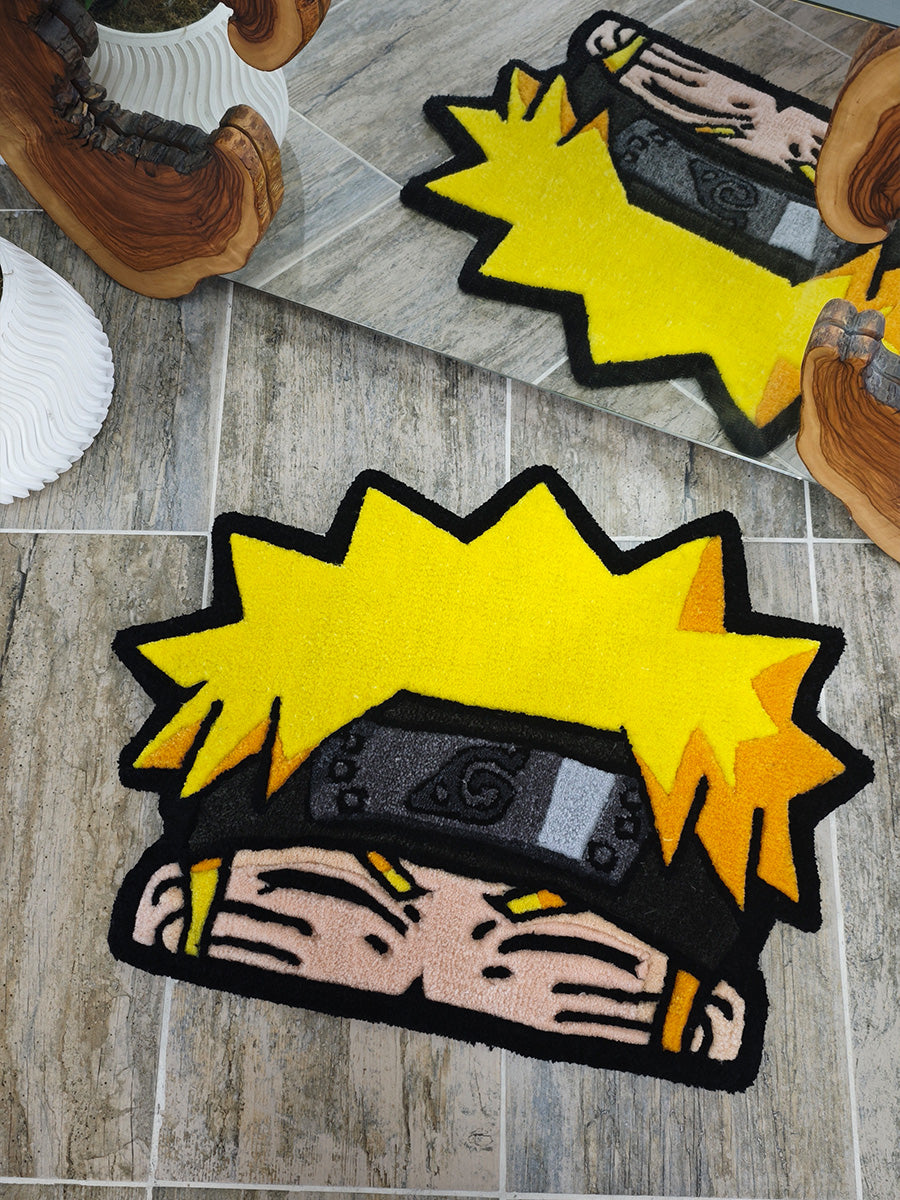
Working from home and being your own boss is a dream for many in today's economy, especially for those looking to bring in some extra income. But every aspiring entrepreneur has the same scary question in mind: "How much do I need to spend to get started? Will this investment put our family budget in a tight spot?"
Tufting might look like it's full of complex machinery and expensive yarn from the outside, but with smart planning, it can turn into a very "sustainable" investment. At GG Tufting, we've transparently mapped out the costs of this business and how you can get started without breaking the bank.
1. One-Time vs. Ongoing Expenses
In the tufting business, costs should be divided into two categories: "Equipment" and "Supplies." The part that actually strains the budget is the initial setup.
Tufting Gun, Frame, Rug Carver.
These items are bought once and used for years. They make up about 70% of the initial budget.
Yarn, Backing Cloth, Glue.
Purchased as orders come in. Because they are "buy as you sell" materials, they don't exhaust your budget.
2. A Wallet-Friendly Starter Kit
You could spend over $1,100 on a market-ready setup, or you could do it for around $350. To protect the family budget, you shouldn't start with the "best," but rather with the "functional." Here are the minimum setup costs (Estimated 2024-25 Market Averages):
| Material | Necessity | Estimated Cost |
|---|---|---|
| Tufting Gun (Cut Pile) | Mandatory | ~$170 |
| Wooden Frame (DIY) | Mandatory | ~$25 (Lumber/Hardware) |
| Cloth & Yarn (Starter) | Mandatory | ~$70 |
| Rug Carver / Clippers | Optional (Can use scissors initially) | ~$60 |
| TOTAL STARTUP | ~$325 - $385 |
*This amount is less than the price of a mid-range smartphone. A phone won't make you money, but this home studio will.
3. Tips for Starting on a Budget
If your capital is limited, you need to use a "Maker" mindset to cut expenses.
🔨 Build Your Own Frame
Ready-made metal or pre-built frames can cost over $100. By buying some wood from a hardware store and screwing it together, you can build your own frame for about $20-$30.
🧶 Use Acrylic Yarn
During the learning phase, instead of using expensive wool, practice with widely available and affordable acrylic yarn.
✂️ Manual Trimming
Instead of buying a $60+ professional rug carver right away, you can use a good pair of fabric scissors for manual trimming in the beginning.
4. The Hidden Cost: The "Dead Investment" Risk
The biggest risk in this business isn't the price of the materials; it's buying them with enthusiasm and never using them. If you spend $350, use the gun twice, and then shove it in a closet, that's when the family budget gets hurt. Before starting, ask yourself: "Am I ready for the dust, the noise, and the physical effort?"
Conclusion: Is It a Logical Investment?
If you have a sustainable business plan, tufting is a "Low Capital, High Return" hustle. You can easily recoup your entire initial investment with your first 5 or 6 rug sales.
However, if you're thinking, "I don't want to take an investment risk or deal with sourcing materials, but I do want a professional tufted rug in my home," you can check out GG Tufting's ready-made collections. We craft them with zero risk to you, using the highest quality materials.