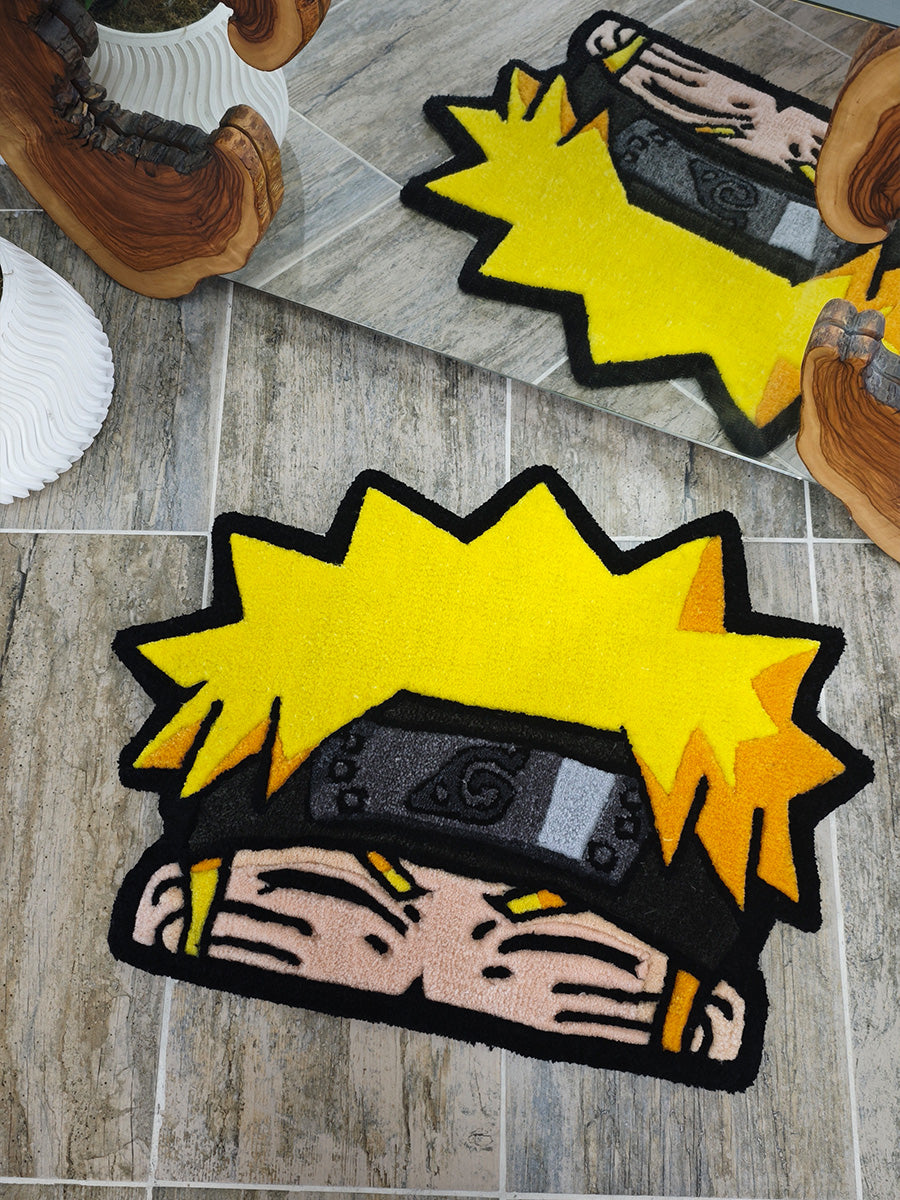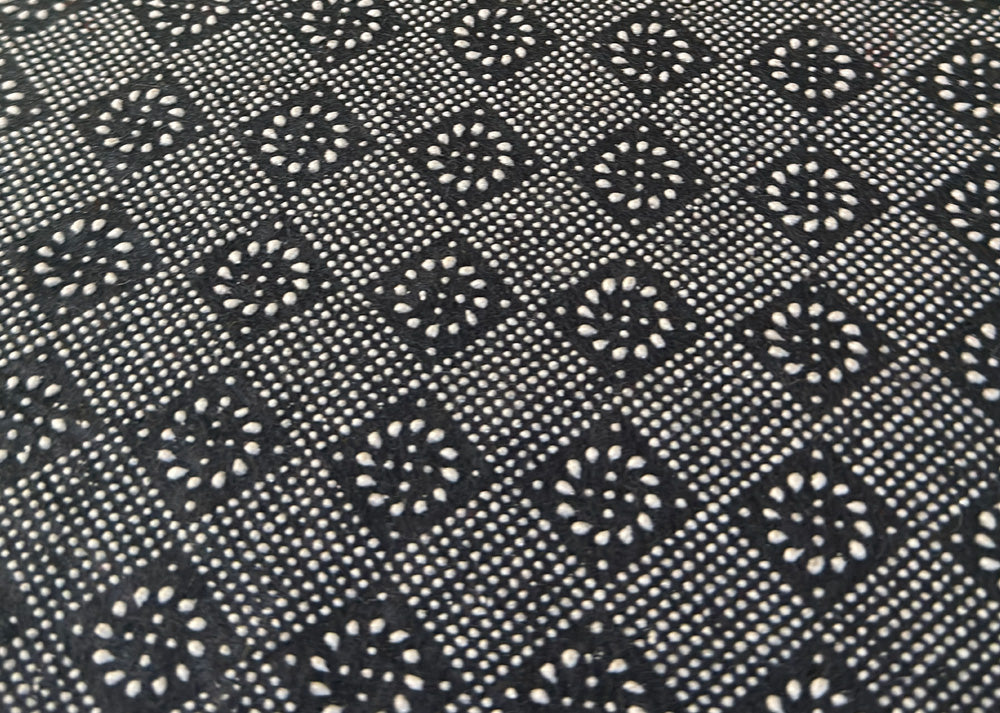
The true quality of a tufted rug isn't just in its design or colors—it's revealed by looking at the back. Ensuring the yarn doesn't pull out, the rug sits flat on the floor, and it retains its shape for years depends entirely on this stage.
Most people find the tufting gun part fun but consider the backing and gluing process a chore. However, at GG Tufting, we produce with the philosophy: "The face shows the rug, but the back sustains it." Here is the journey of a professional rug backing.
Securing the Skeleton
When tufting ends, the yarn is just "hanging" in the cloth. If proper backing isn't applied, a single tug could unravel the yarn. Backing locks the fibers, adds weight, and provides an aesthetic finish.
1. Materials You Need
2. Application Steps
While the rug is still on the frame (under tension), apply a generous amount of latex glue to the back. This stage is critical; ensure the glue penetrates to the roots of the yarn. Never cut the rug off the frame before the glue is completely dry, or it will curl and shrink.
When the glue starts to get tacky (sticky but not runny), lay the Secondary Backing Cloth or felt over the back. Press firmly with your hands to remove air bubbles. This layer covers the messy glue look and protects the floor.
After the rug is fully dry (at least 24 hours), cut it off the frame. When cutting, leave about 1.5 inches (3-4 cm) of excess cloth outside the design. This allowance will be used to fold the edges to the back.
3. How to Finish the Edges?
Edge finishing is the detail that separates amateur work from professional work. There are two main methods:
The 1.5-inch allowance is folded to the back using hot glue. The front yarn is pushed slightly over the edge to cover the backing cloth. It gives a clean and fluffy look. This is the most common method.
After folding the edges, a cotton strip (twill tape) is glued over the raw edge. This prevents the folded cloth from fraying and offers a very chic, clean, "framed" look when you flip the rug over.
We don't just glue; we ensure the secondary backing we use has "non-slip" properties or is high-quality cotton. Also, we always use binding tape (twill tape) on the edges to prevent any future peeling over time.
Invisible Quality
Backing is a process that requires patience and care. If the back of a rug is clean, smooth, and sturdy, the front is of equal quality.
As GG Tufting, we pay as much attention to the back of every rug we produce as we do to the front. Longevity in the products you buy is a standard for us.