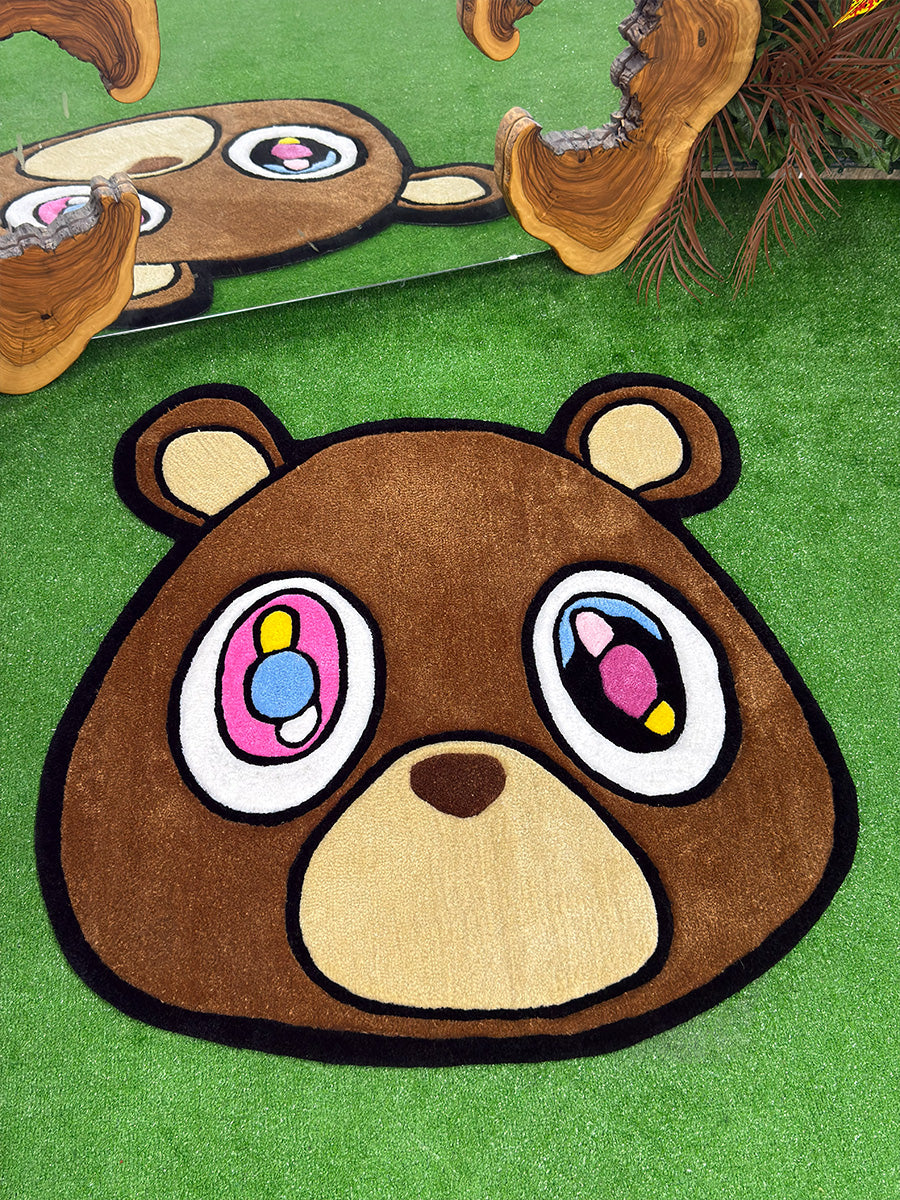
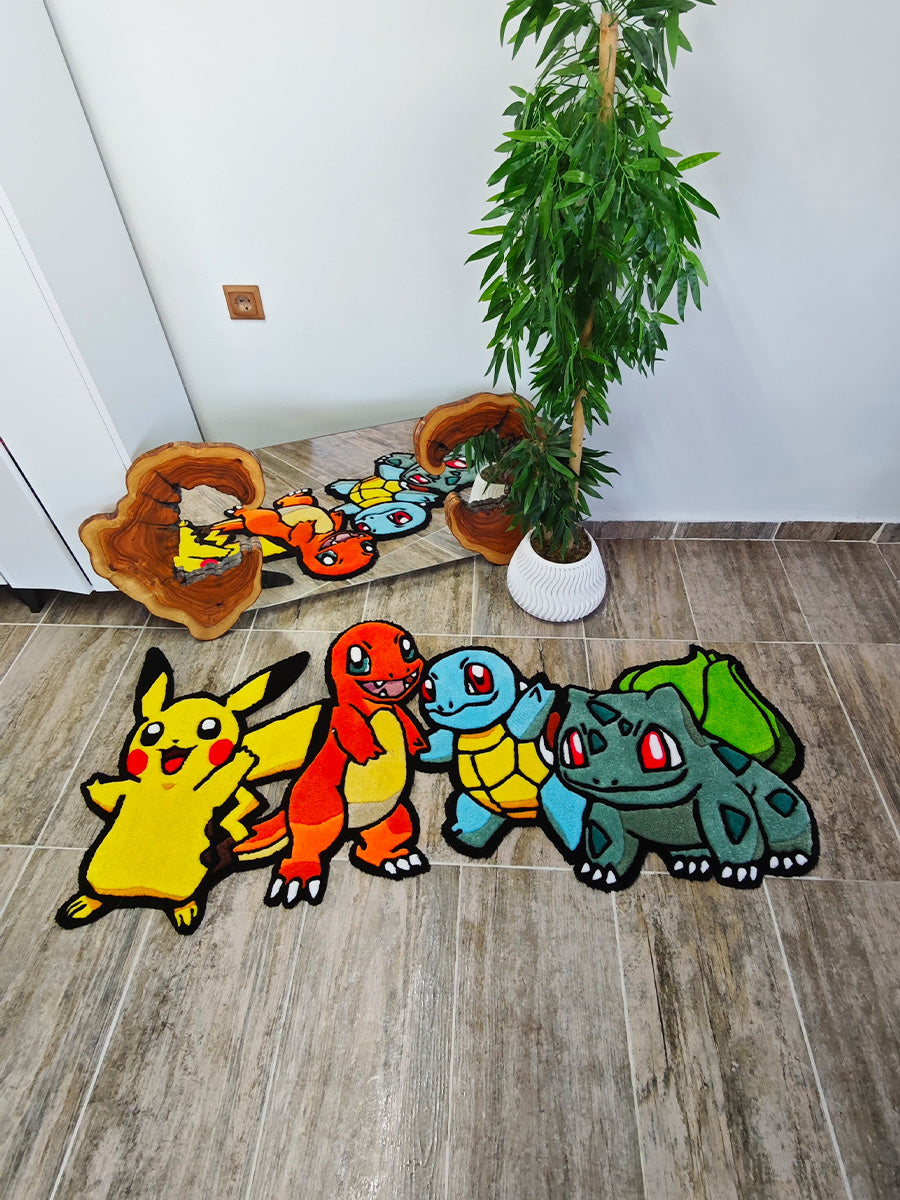
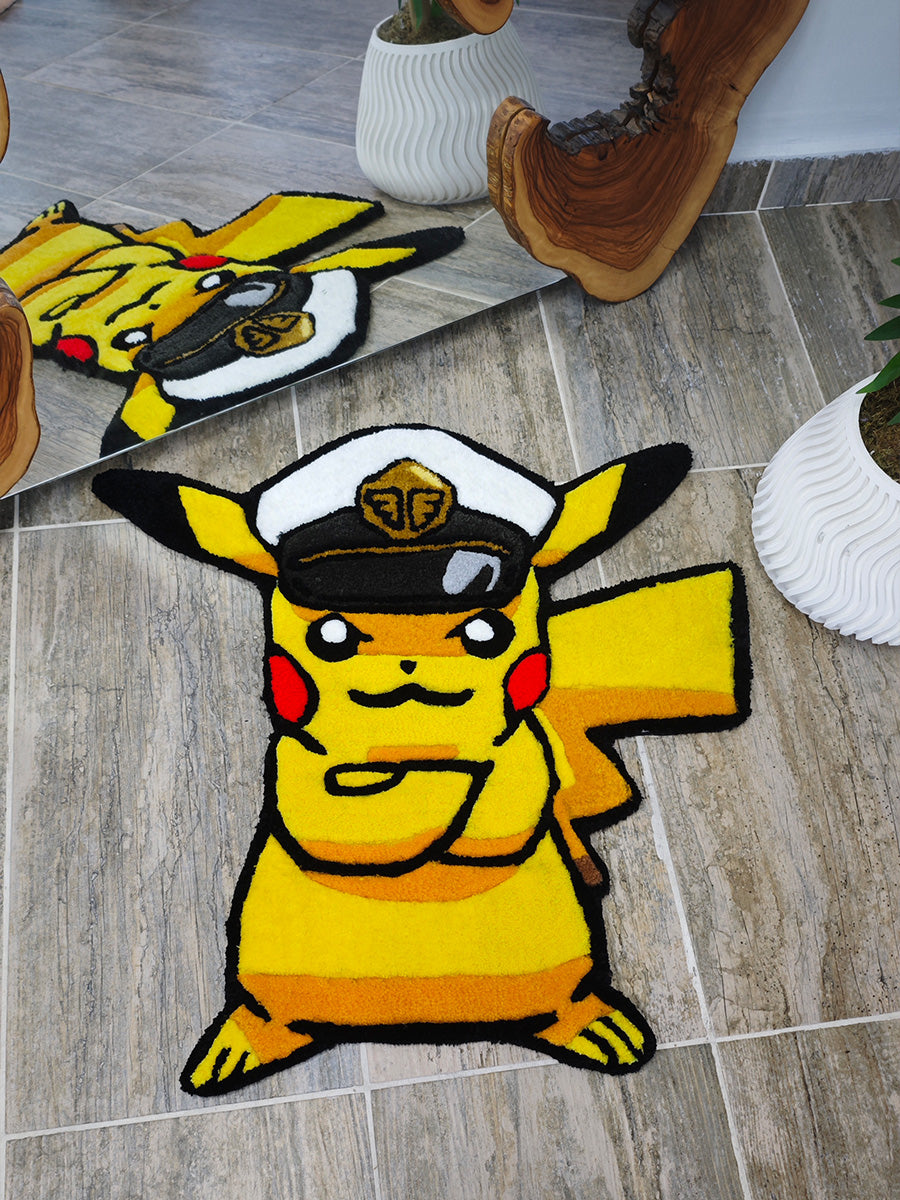
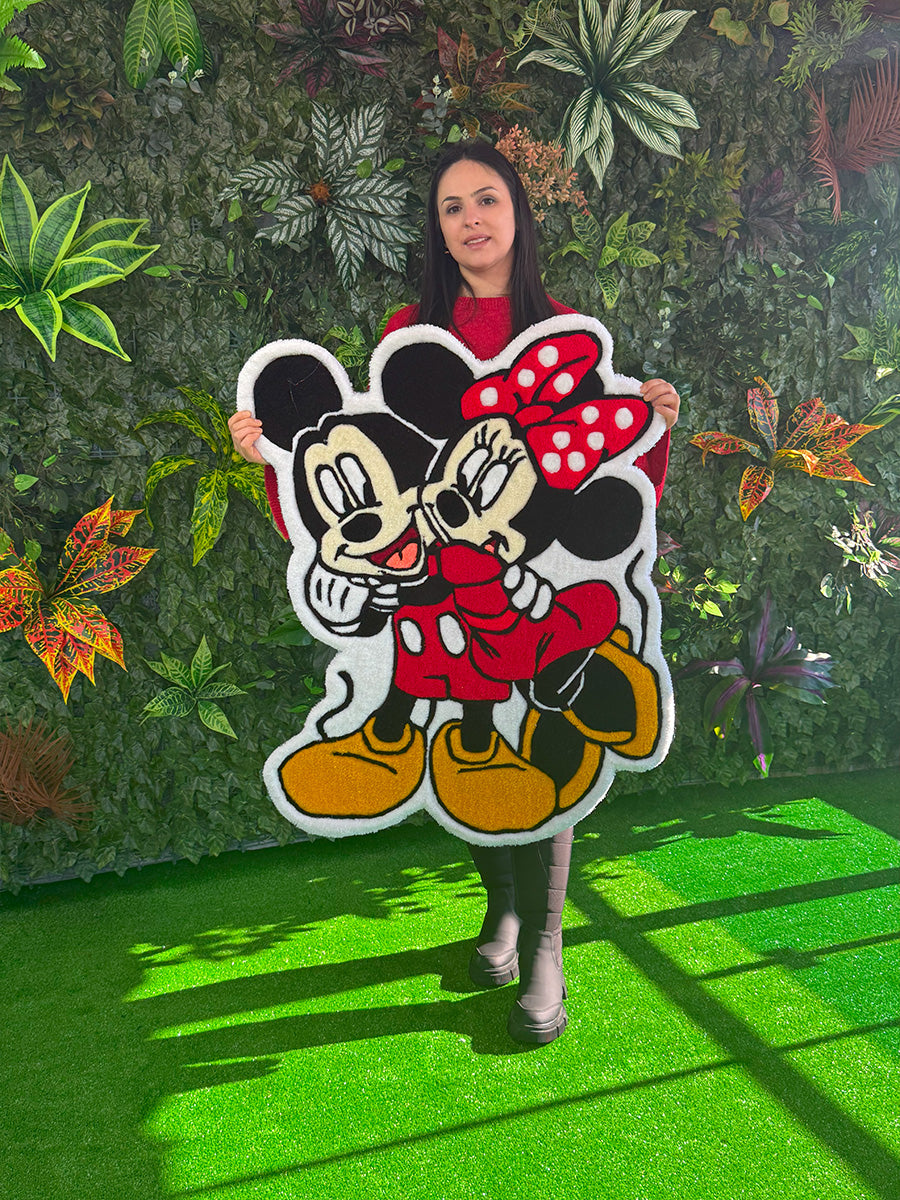
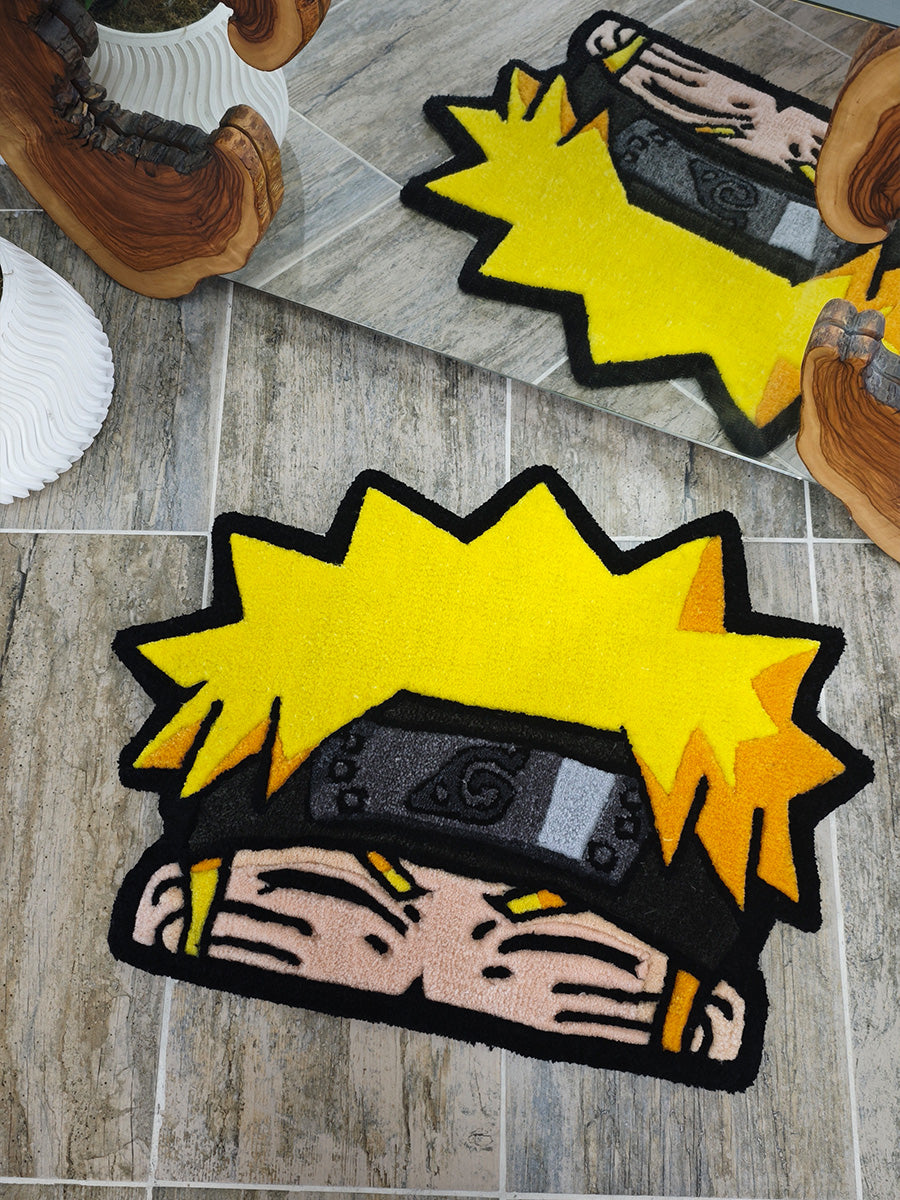
We keep hearing the word "Tufting," one of the most popular hobbies and side hustles of recent years. But where does this word come from? Is it just a passing DIY fad, or a deep-rooted industrial technique?
In this article, we dive into the technical and cultural side of the craft from the GG Tufting perspective, proving it's more than just playing with colorful yarn. Let's explore the engineering, the history, and why it differs so much from traditional weaving.
1. Word Origin and Definition
Definition: The process of passing clusters of yarn or fibers (tufts) through a fabric or base material to create a raised surface.
Derived from the word "tuft" (a bunch or cluster of threads). At its core, it means creating a pile or plush surface on a backing fabric.
While in traditional rug weaving each loop is individually knotted by hand, in tufting, the yarn is essentially "punched" or stapled through the backing fabric. This technical difference completely changes the speed and logic of production.
2. From Ancient Times to TikTok Trend: A Brief History
Tufting might seem like a brand new invention, but its roots go back way before the Industrial Revolution.
3. Technical Anatomy: How Does It Work?
The logic of tufting is similar to a sewing machine, but instead of stitching two fabrics together, it punches yarn into the fabric in a "U" shape.
The needle pierces the backing fabric, pushes the yarn through, and pulls back out. The yarn stays on the other side as a loop. If your machine has built-in scissors, it snips this loop (Cut Pile); if there are no scissors, it leaves the loop intact (Loop Pile).
4. How Is It Different From Traditional Weaving?
It's important to understand the technical difference between a traditional Persian rug and a modern tufted rug.
- Structure: The rug's foundation and the pattern are created simultaneously from scratch.
- Knotting: Yarns are individually hand-knotted onto the warp threads.
- Durability: Because it's knotted, it doesn't require any glue to hold it together.
- Structure: The design is applied onto a pre-existing primary backing (like Monk's Cloth).
- Punching: There are no knots; the yarn is simply pushed through the fabric.
- Durability: To keep the yarn from falling out, the back MUST be sealed with Latex Glue.
5. Why It's More Than Just a Hobby
Tufting democratized textile production. Rugs of a quality that used to require massive factories can now be produced by independent artists right in their own living rooms.
Tufting is no longer just something you step on; it has evolved into soft sculptures exhibited in art galleries, acoustic wall panels, and even wearable textile art in the fashion industry.
Tufting is a unique craft that perfectly bridges the industrial heritage of the past with the individual creativity of today.