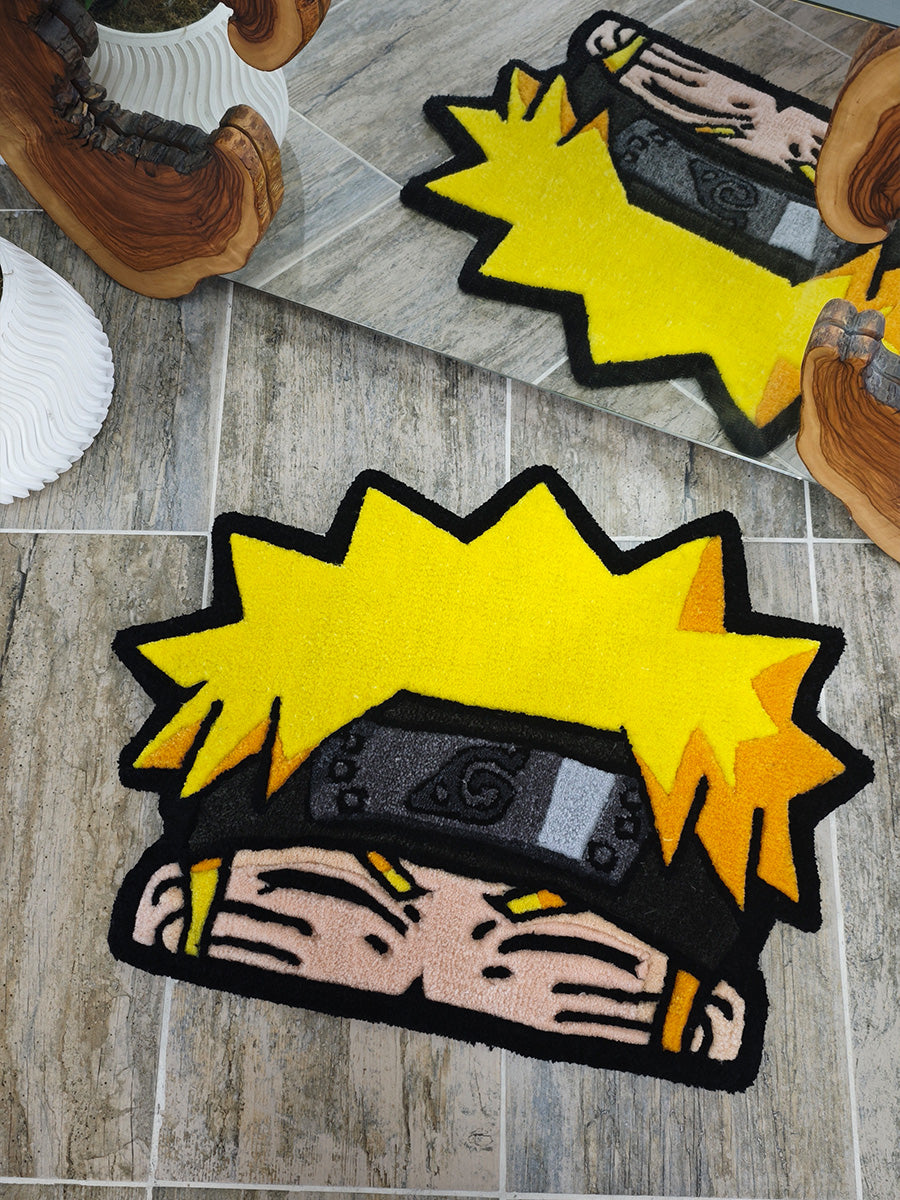
What a canvas is to a painter, fabric is to a tufting artist. However, a tufting fabric's job is much harder than that of a standard canvas. It has to withstand a powerful gun striking 40 to 50 times a second, piercing through the material, and securely feeding yarn into it.
Trying to tuft on bed sheets, curtains, or standard muslin will unfortunately end in frustration. At GG Tufting, we've broken down the most crucial building block that determines the quality of our rugs: "Choosing the Right Fabric."
1. The Ideal Choice: Primary Tufting Cloth
There is only one type of fabric used by professionals worldwide that guarantees 100% success. Usually available in gray or white, this fabric has one distinct feature: Yellow Guide Lines.
- Material: 65% Polyester, 35% Cotton
- Durability: Will not tear from the punch of the gun.
- Flexibility: The hole opens when the needle enters and closes when it exits.
- Guide: Yellow lines help you keep your design perfectly aligned.
- Material: Natural plant fiber
- Durability: Low; tears very easily.
- Issue: Struggles to hold yarn, making detailed designs almost impossible.
- Advantage: Very cheap, best used only for practice.
2. Anatomy of the Right Fabric
What Makes a Fabric Suitable for Tufting?
3. Fabrics You Should Never Use
The idea of "repurposing fabrics from around the house" in tufting usually ends with a shredded canvas.
| Fabric Type | Why Isn't It Suitable? |
|---|---|
| Muslin / Raw Cotton | The weave is too tight. The needle forces its way in, ripping the fabric and leaving a permanent hole. |
| Cross-Stitch / Aida Cloth | It has holes, but the threads are too weak. The high speed of the tufting gun destroys it instantly. |
| Denim or Canvas | Too stiff. The gun's needle struggles, the machine overheats, and the yarn won't push through the fabric. |
4. The Back of the Rug: Final Backing
When the tufting process is complete, the back of the rug is left with a messy look of yarn ends and a solid layer of glue. To cover this, a Secondary Backing is used.
- Felt: Budget-friendly and soft.
- Non-Slip Backing: Fabric equipped with tiny rubber grips. It prevents the rug from sliding on the floor. At GG Tufting, we almost exclusively use non-slip backing for our products.
When stretching your fabric on the frame, it needs to be tight enough to sound like a drum. If the fabric is loose, the gun will bounce and cut through it. Professional tufting fabrics are specifically engineered to handle this high tension.
A Solid Foundation is Key
What a foundation is to a building, the "Primary Tufting Cloth" is to a tufted rug. Choosing the wrong fabric will cause your hard work, yarn, and time to end up in the trash.
If you want to skip the technical details, material sourcing, and the frustrating trial-and-error process, and simply own flawless rugs crafted with the highest quality yarn on the perfect fabric, explore the GG Tufting collections. We don't leave quality to chance.