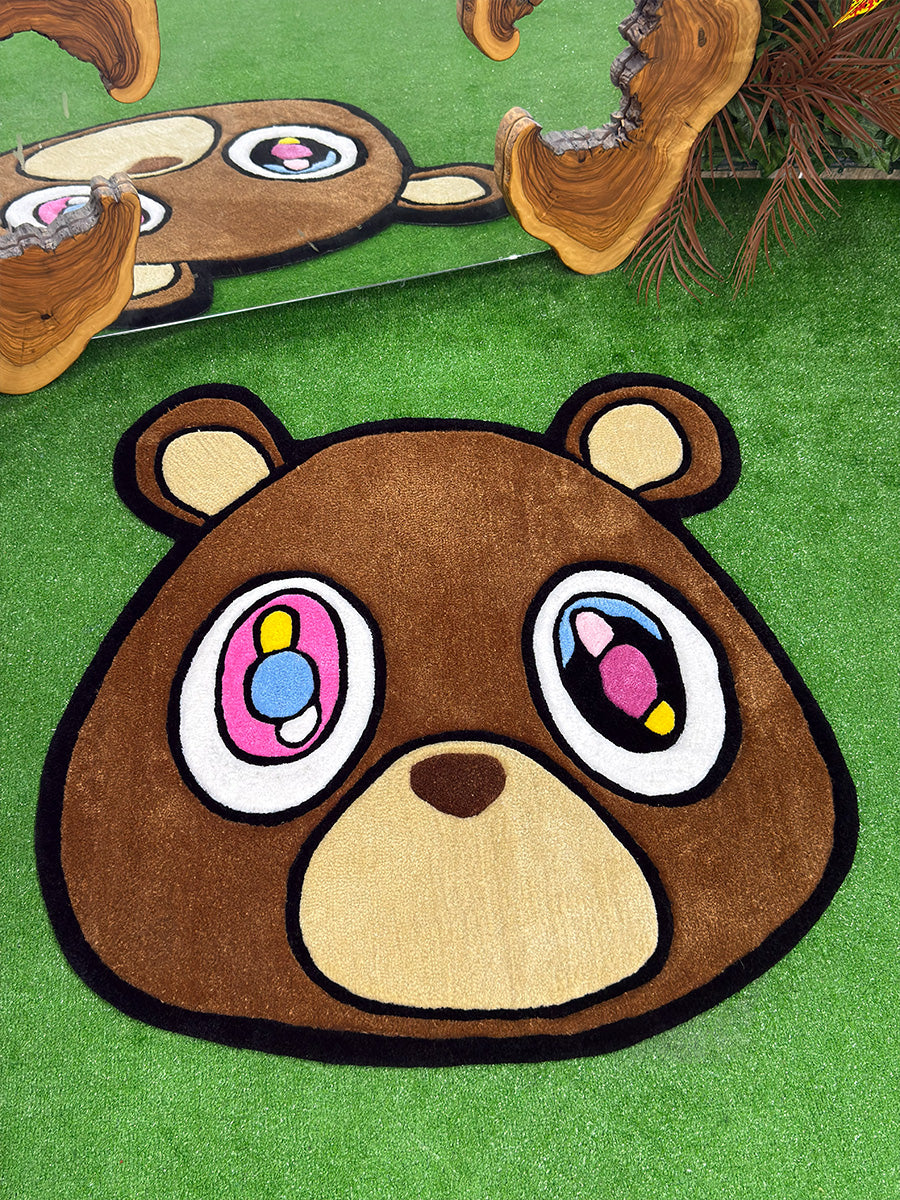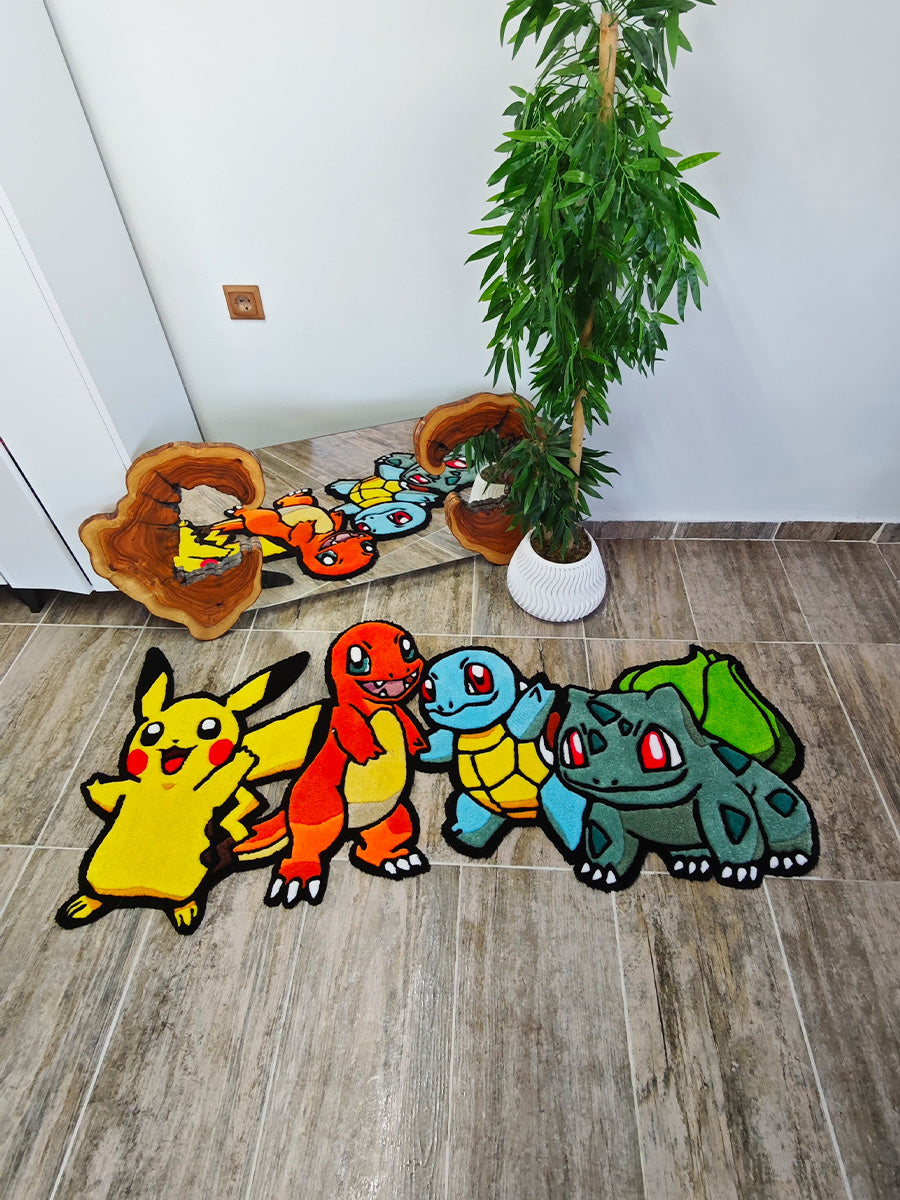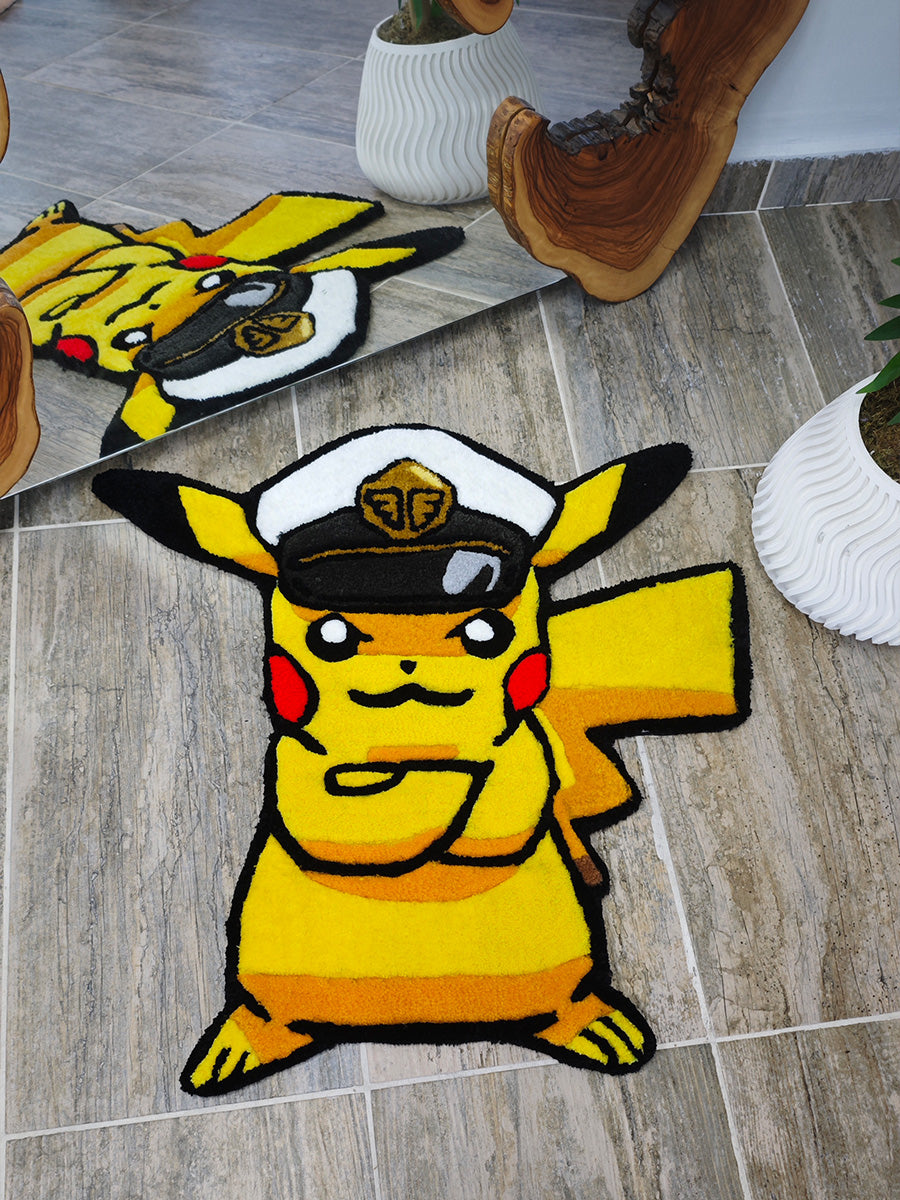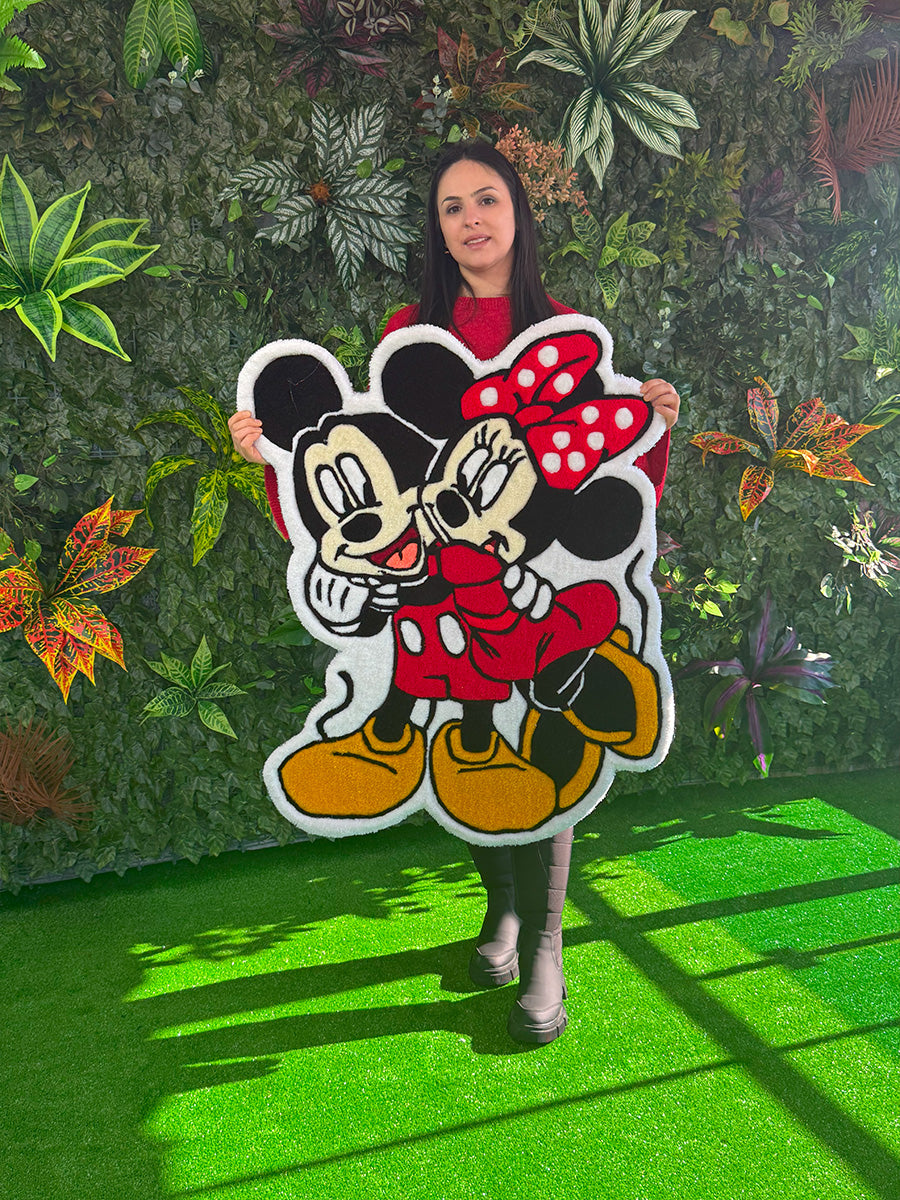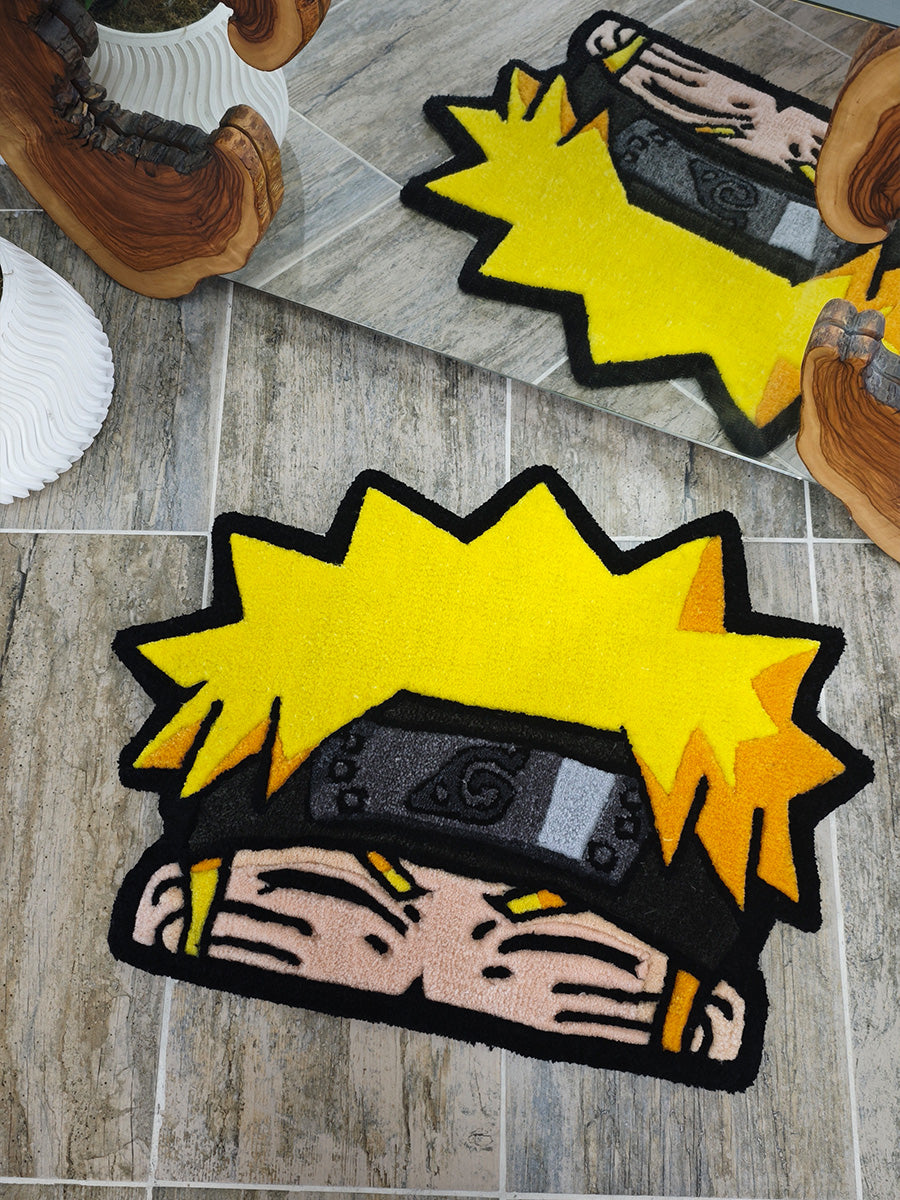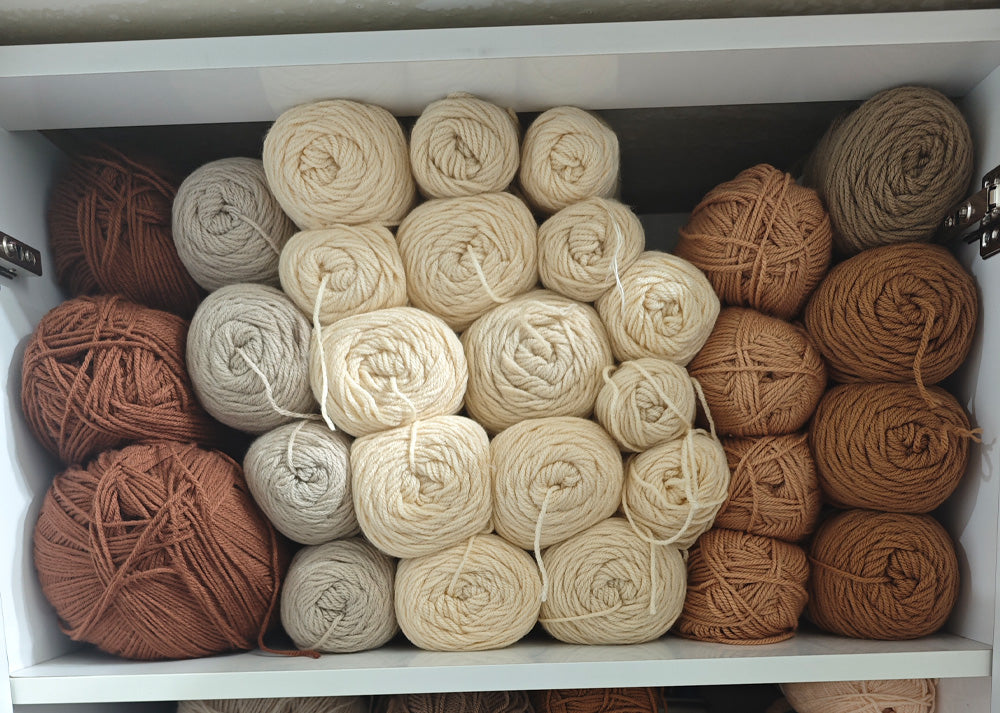
The quality of a tufted rug isn't just determined by its pattern or colors; it's the yarn—the very soul of the rug that you feel when you touch it. In the tufting world, the question "Which yarn should I use?" is the most common curiosity for both makers and buyers.
There are dozens of different yarn types on the market, but are they all suitable for rug making? At GG Tufting, we've broken down the science of yarn that elevates a rug from "ordinary" to a "lifelong heirloom" just for you.
1. The Main Stars of the Tufting World
There are basically three main types of yarn that work perfectly with tufting guns. Each has its own characteristics, ideal use cases, and price points.
A synthetic fiber. It's the most popular material in the tufting world due to its vibrant colors and affordability.
The premium raw material for natural, high-end, and "heirloom-quality" rugs. New Zealand wool, in particular, is the pinnacle of this craft.
Completely plant-based and natural. Generally preferred for bath mats or decorative wall hangings.
2. Which is More Durable?
Resistance to Foot Traffic
The ability of a rug to bounce back to its original shape after being stepped on (Resilience):
3. The Unsung Hero: Yarn Thickness (Ply)
Yarn isn't just defined by its type, but also by its thickness. To prevent the yarn from falling out of the tufting cloth, a certain fullness is required.
Recommended: Threading 2 or 3 Yarns at Once
Usually, a single thin strand isn't fed into the gun. Strands are combined to create a plush, dense rug.
The ideal yarn thickness for tufting is around 3-4 mm (medium/worsted weight). If your yarn is thinner, you need to thread 2 or 3 strands through the gun's needle at the same time to achieve this thickness.
4. Quick Comparison Table
| Feature | Acrylic | Wool |
|---|---|---|
| Best Used For | Wall Decor, Low-Traffic Areas | Living Room Rugs, High Traffic |
| Feel/Texture | Slightly Synthetic but Soft | Natural, Warm, and Dense |
| Cleaning | Easy to Wipe Clean | Requires Care, Naturally Stain-Resistant |
| Price | Economical (Budget-Friendly) | Premium (Higher Cost) |
If you're going to hang the rug on the wall or create a decorative object (like a mirror frame), Acrylic is a fantastic choice; its colors truly pop. However, if you want a floor rug that will be walked on and used for many years, Wool is always king.
The Final Verdict: Which is the Best?
There is no "best" yarn, only the "most suitable" yarn for your project. If your goal is to create a modern art piece with popping colors, acrylic is the way to go. If you're looking for classic, lifelong comfort, wool yarn is indispensable.
If you want to own a professionally tufted rug, crafted by master hands with the right yarns—without having to worry about material choices, yarn thicknesses, or technical details—the GG Tufting collections are waiting for you. We choose the quality; you just enjoy the design.