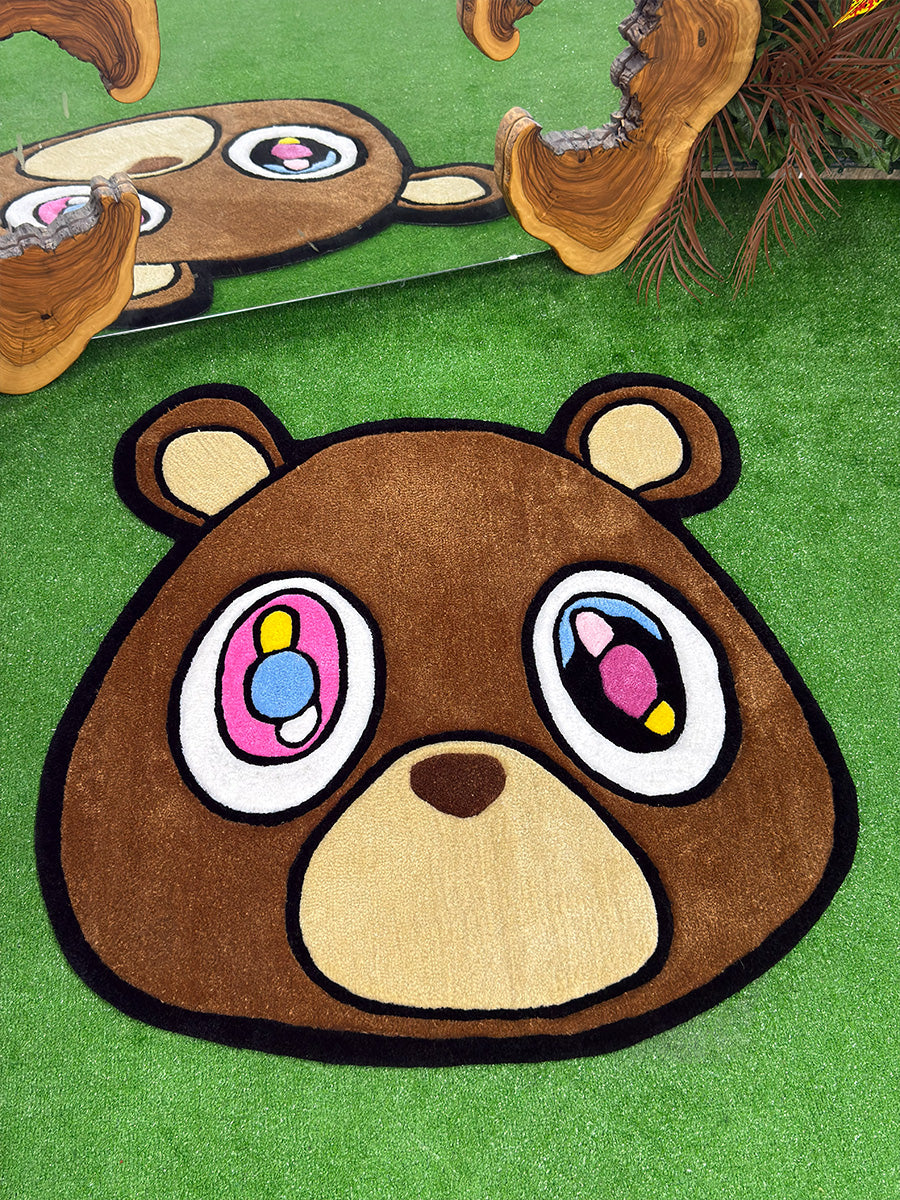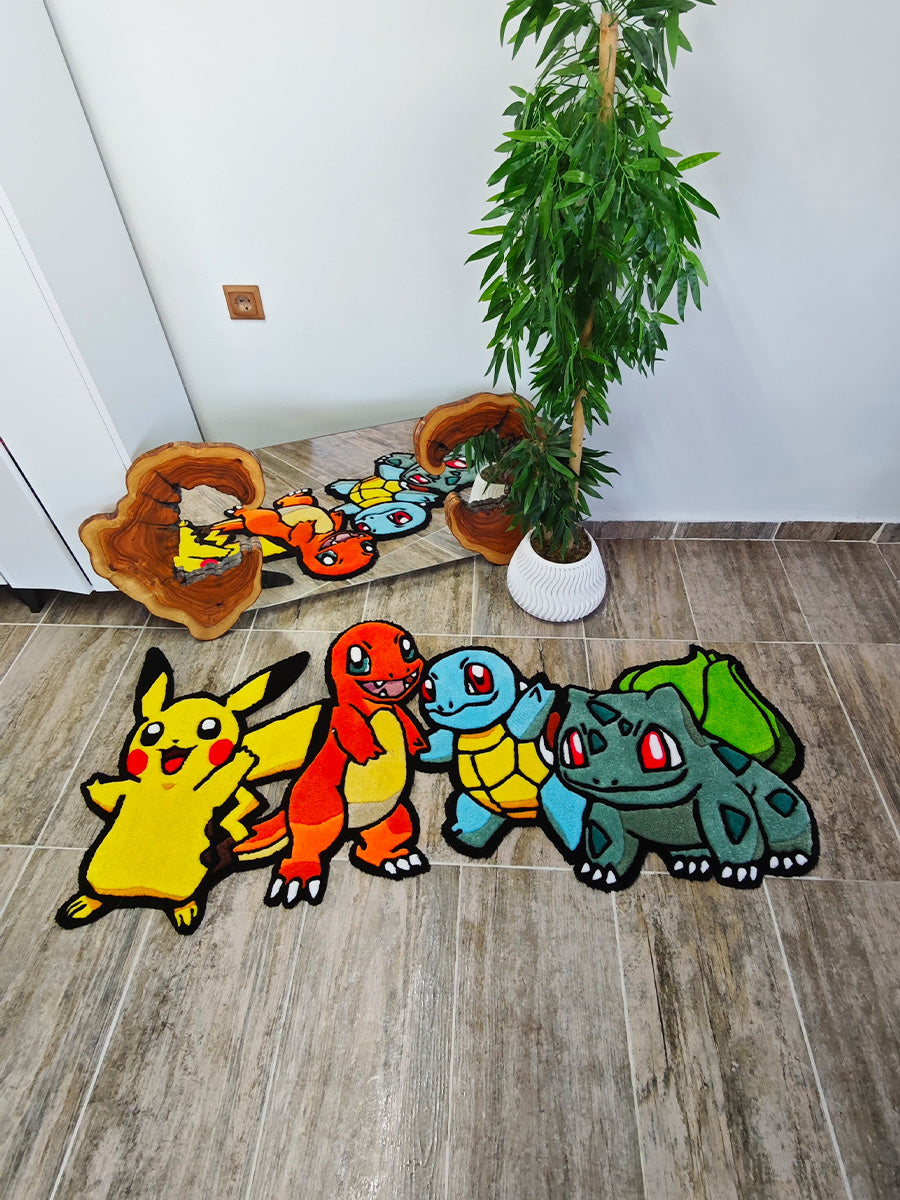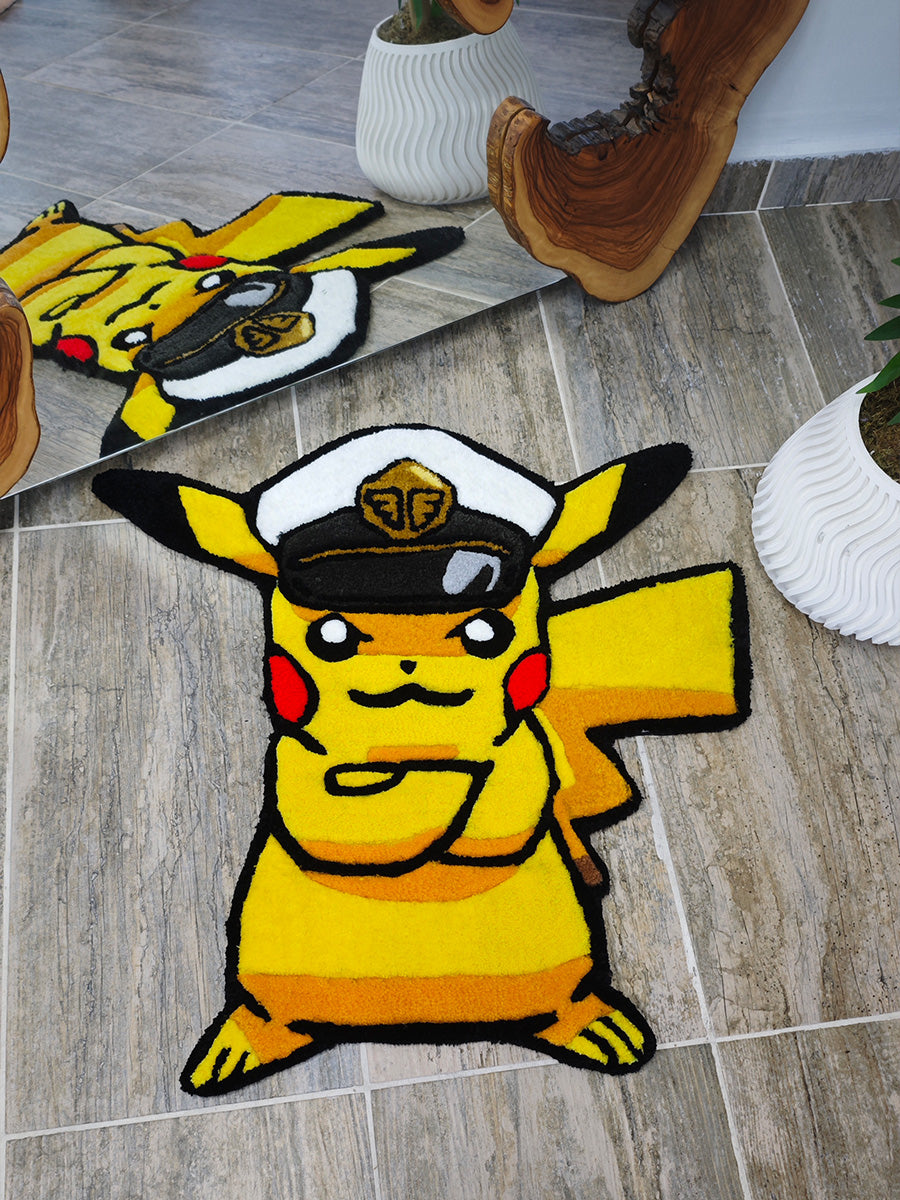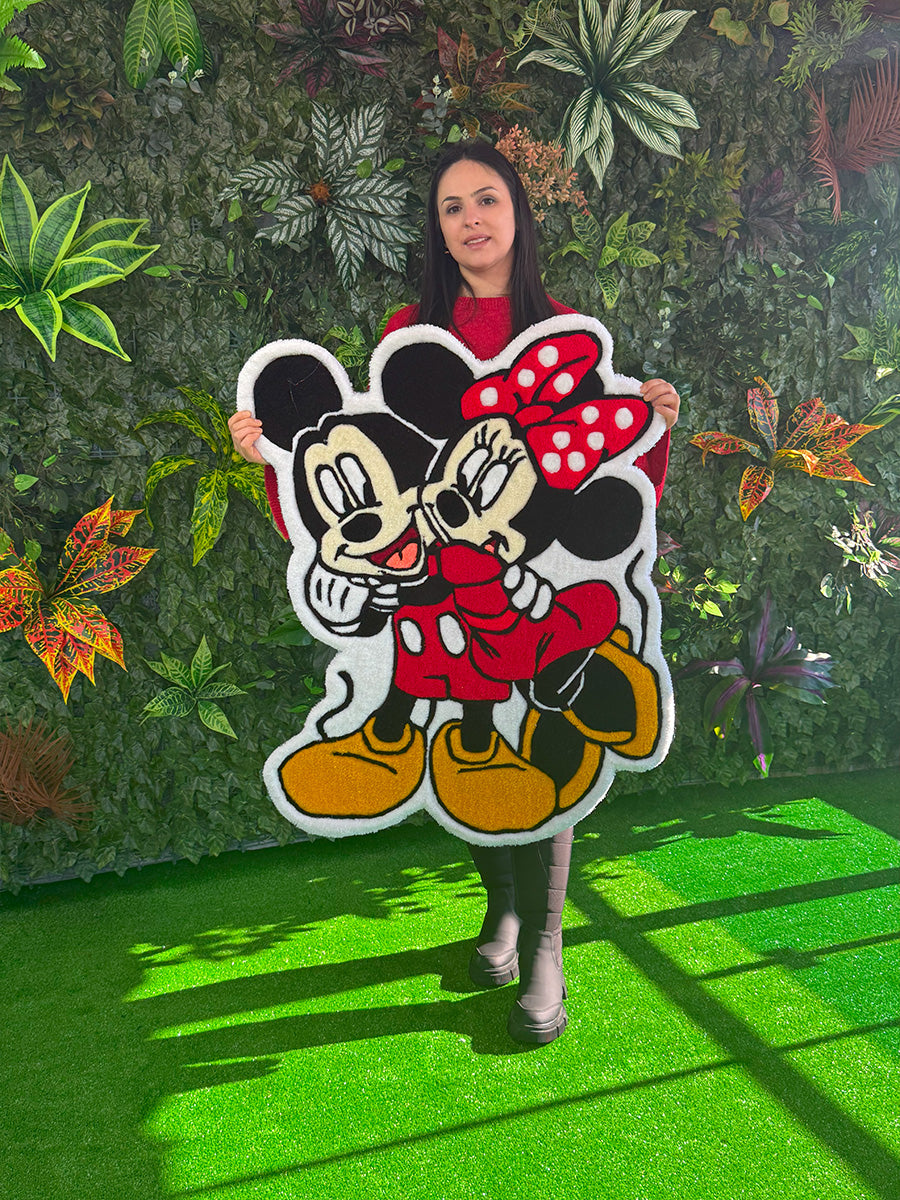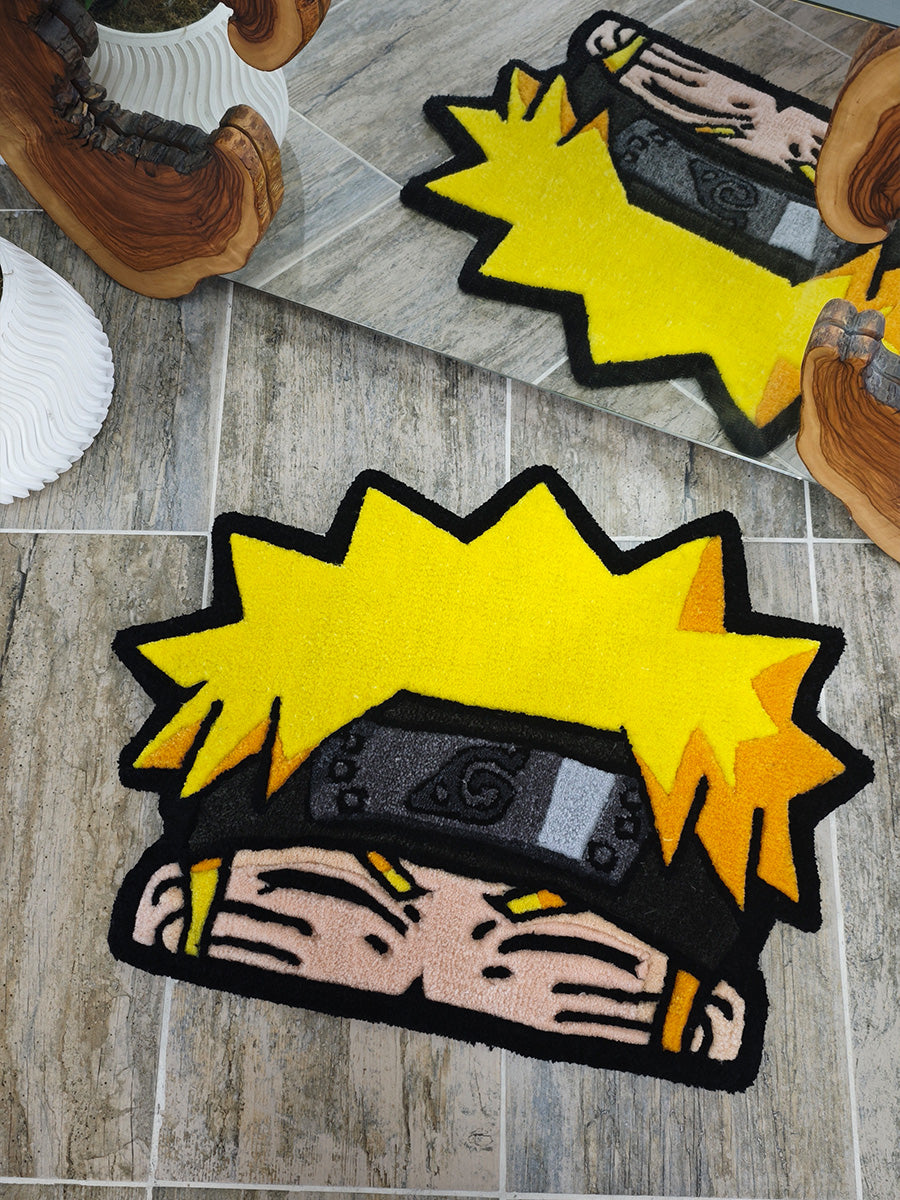
Have you been seeing those colorful, fluffy rugs all over social media and wondering how they are made? It's a boundary-pushing, therapeutic, and deeply satisfying hobby called: Tufting.
So, what exactly is tufting, how is it done, and why has it become so popular? At GG Tufting, we’ve compiled the A-to-Z details of this art form just for you.
1. Core Techniques: Cut Pile vs. Loop Pile
These are the first terms you'll encounter in the tufting world. This choice determines the texture of your masterpiece.
The machine automatically cuts the yarn. The result is a fluffy, soft, and velvety surface. This is the most popular technique.
The yarn is not cut; it remains in loops. It creates a firmer, nubby, and durable texture.
2. Essential Materials for Beginners
Tufting is much easier with the right equipment. Here is what you need in your studio:
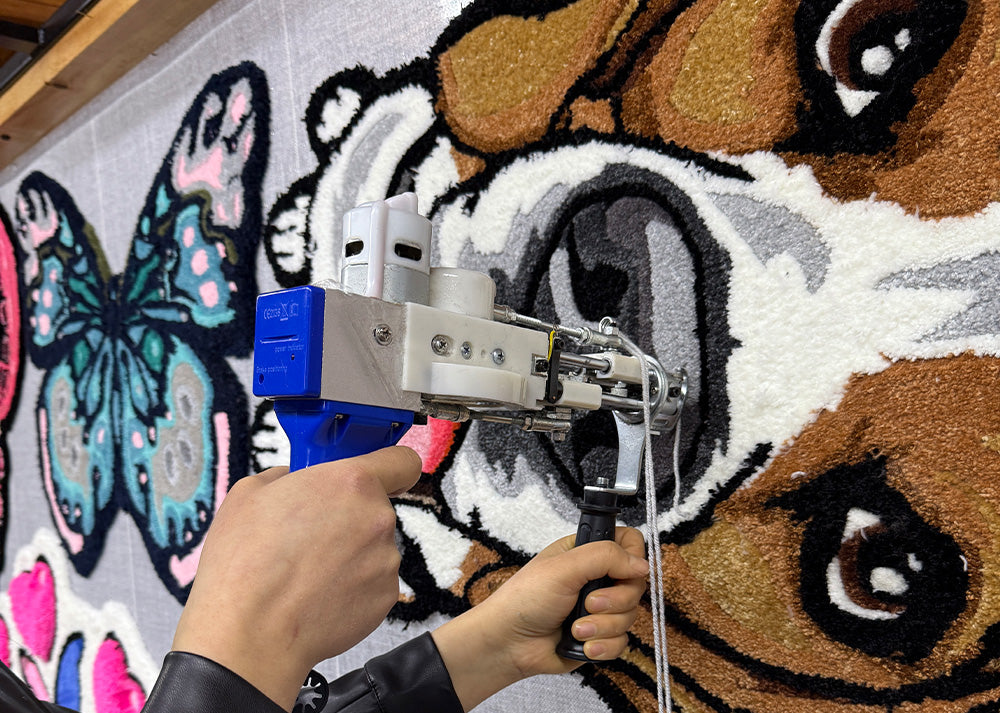
The engine of the craft. Electric guns make the work 10x faster compared to manual tools.
Regular fabric will tear. You must use "Monk's Cloth" or 100% Polyester Primary Tufting Cloth.
Acrylic (great for starters), Wool (for heirloom pieces), or Cotton yarn.
A wooden or metal frame with grippers to keep the cloth "drum-tight."
3. Step-by-Step Tufting Process
Staple or hook your tufting cloth to the frame until it is as tight as a "trampoline." It is impossible to work on loose fabric.
Project your chosen design onto the cloth and trace it. Remember: Since we work from the back of the rug, don't forget to mirror (flip) your image!
Hold your gun perpendicular to the cloth and move from bottom to top, filling in the design. It's like coloring a coloring book with yarn.
Once finished, apply "Carpet Glue" (Latex) to the back to lock the yarn in place. After it dries, cut it out, shave/carve the details, and apply the backing.
4. Why Tufting?
Increases focus, reduces stress. It is a form of active meditation.
You can earn money by selling your custom-designed rugs.
Create unique pieces for your home that you can't find in any store.
Don't try to make a giant rug on your first project. Start with a small mug rug or a mirror frame to get your hand used to the machine. Making mistakes is part of the learning process!
Tufting is not just a hobby; it is a limitless field of creativity.