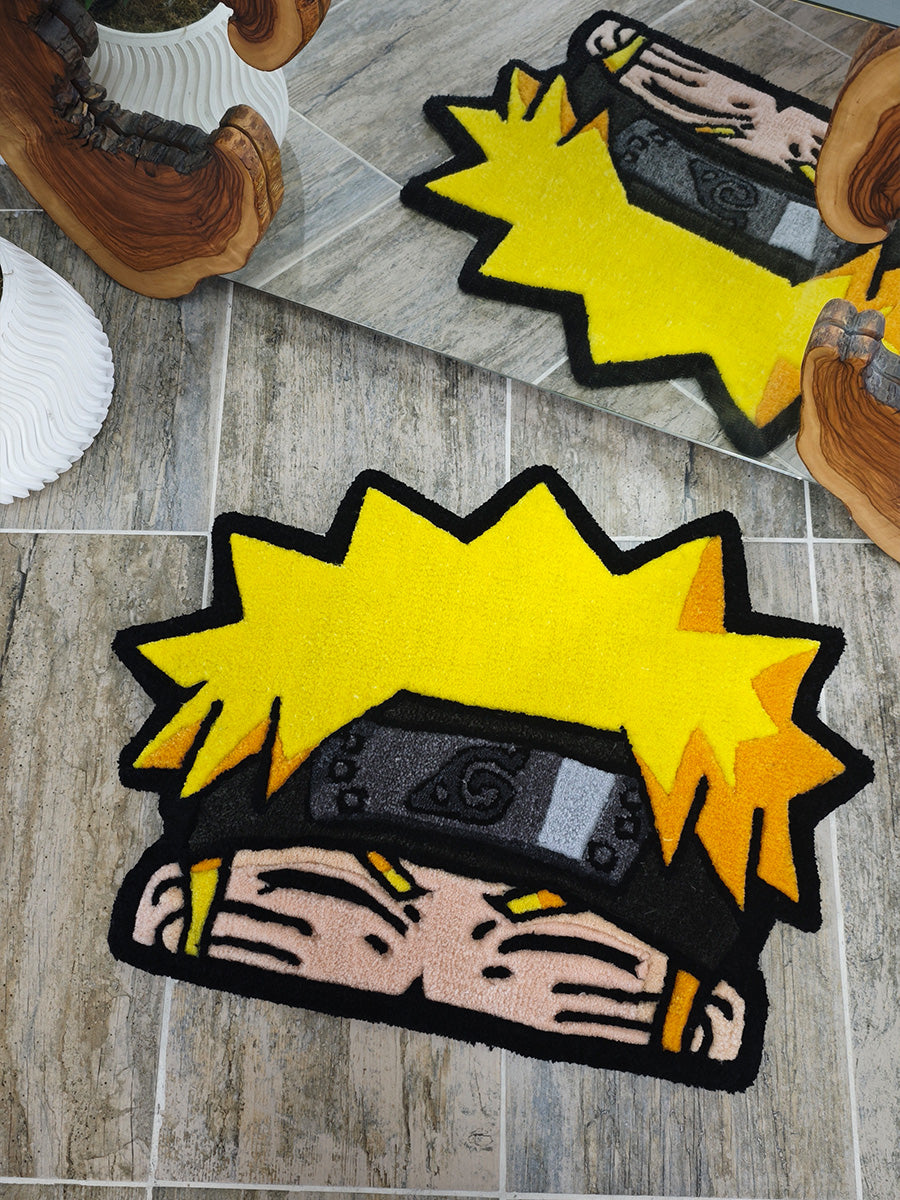
One of the most critical decisions when starting the art of tufting is the type of yarn you will use. Your yarn choice doesn't just affect the cost; it directly impacts the texture, lifespan, and professional look of your rug.
This comparison guide, prepared with GG Tufting expertise, will help you make the right investment for your project.
Acrylic, a synthetic fiber, is the most popular choice for newcomers to the tufting world and hobbyists.
- Pros: Economical and available in many colors.
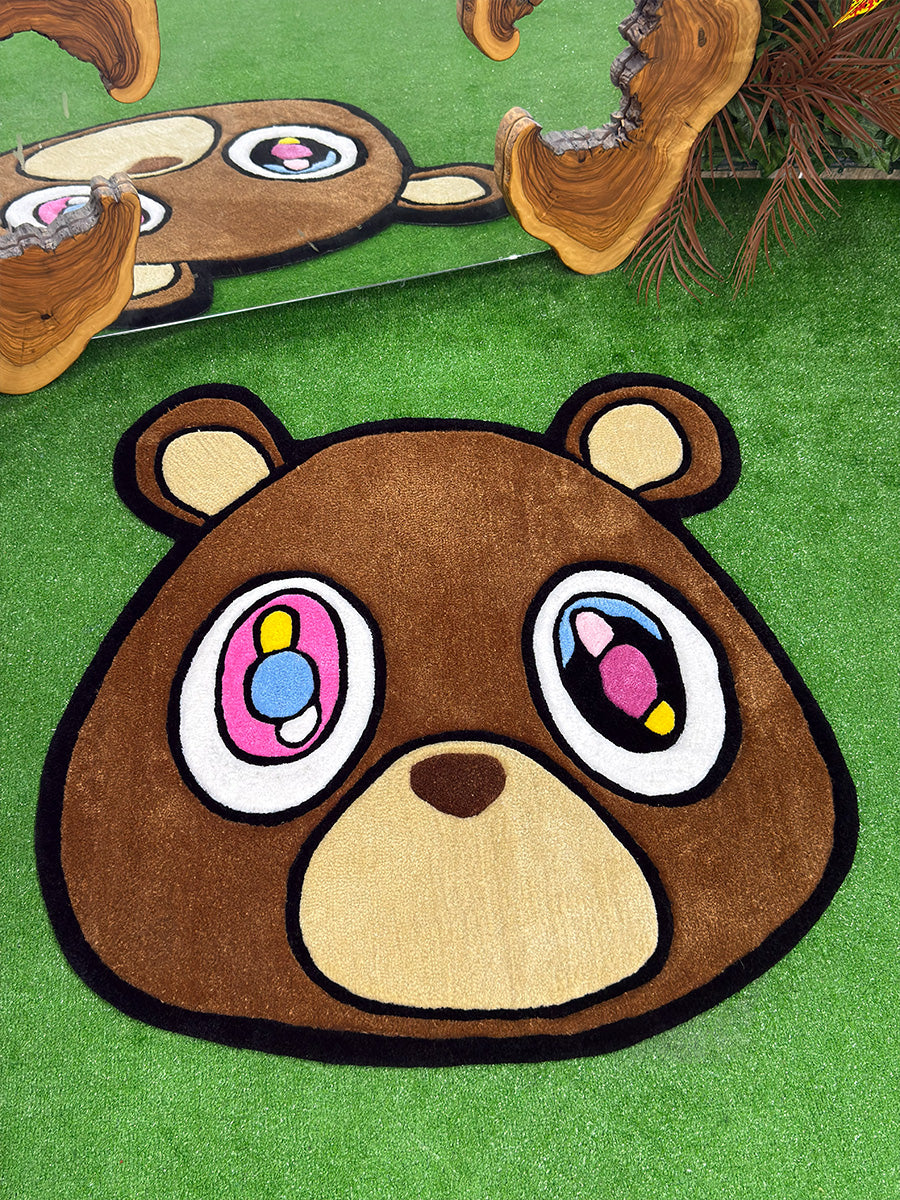
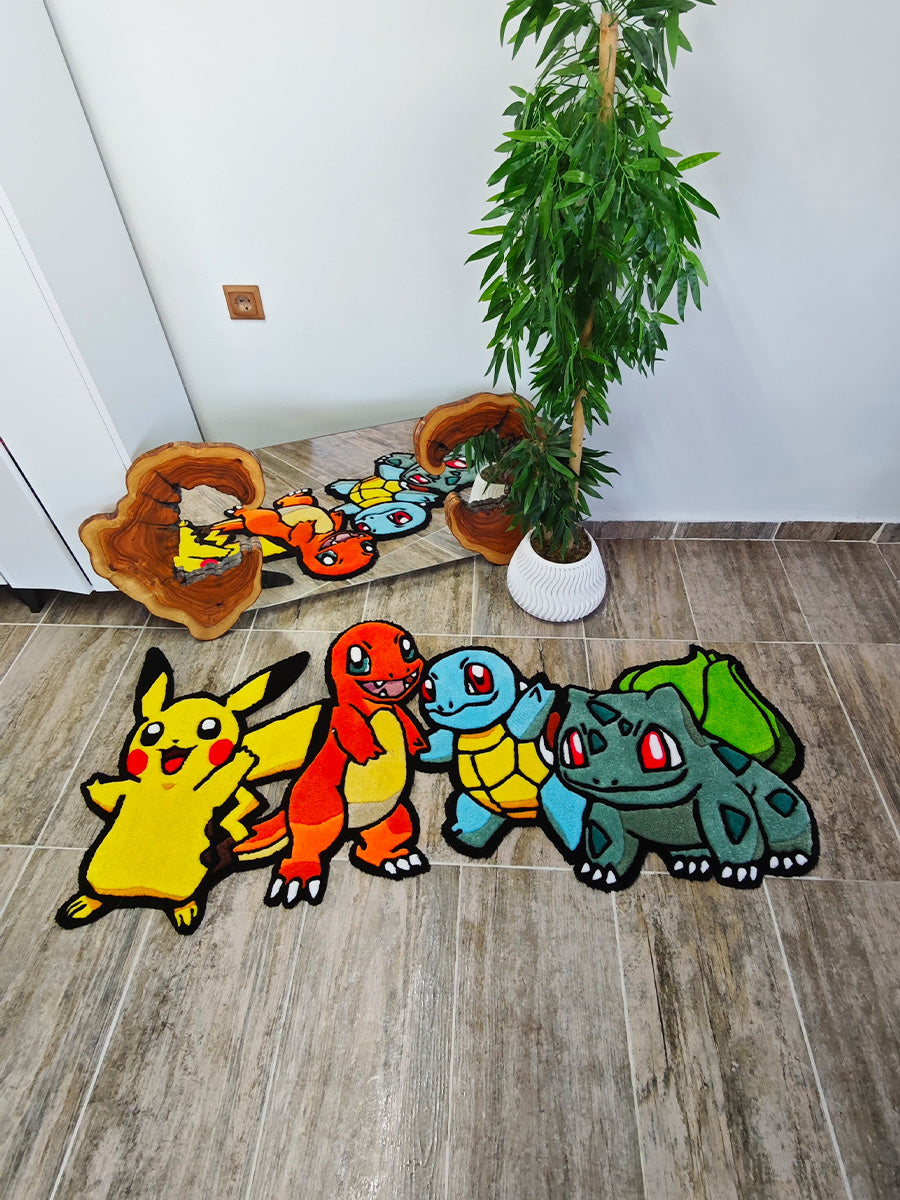
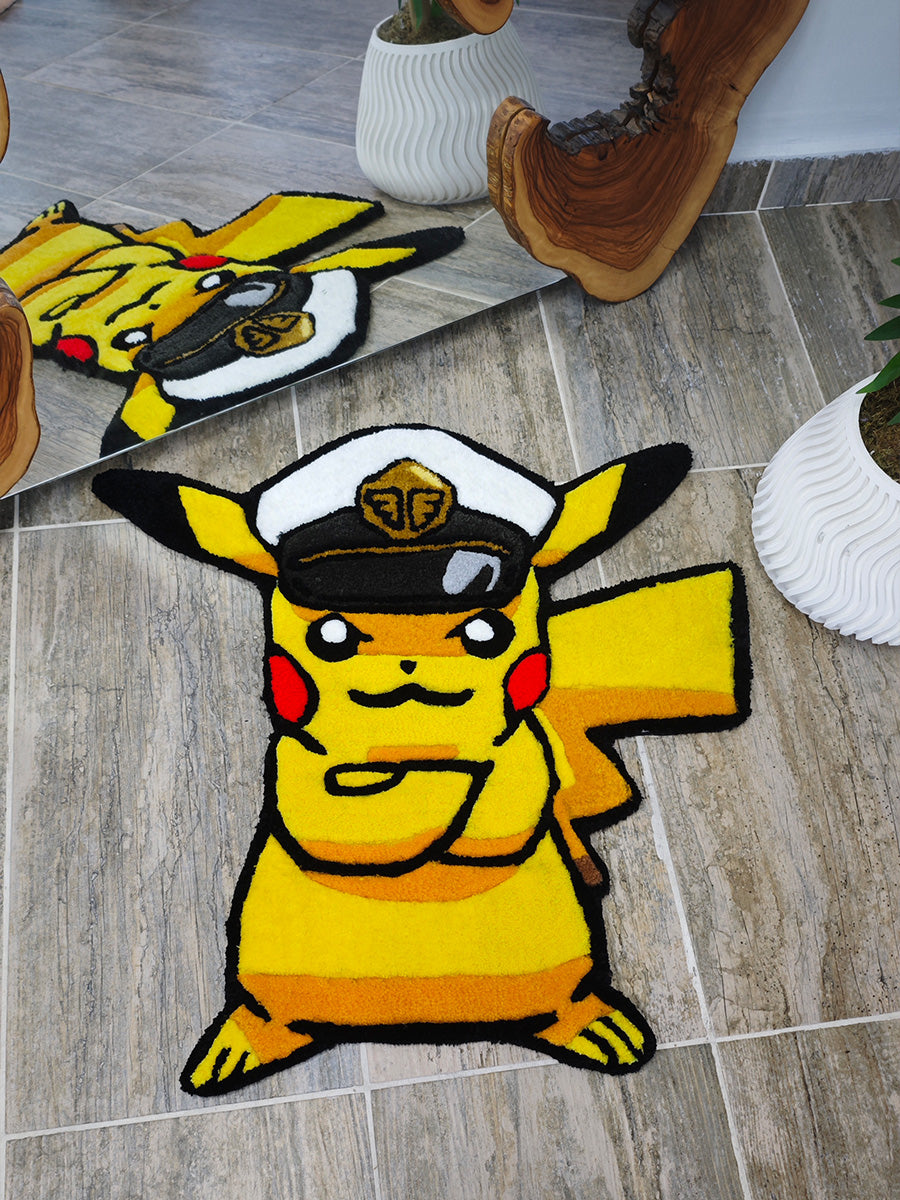
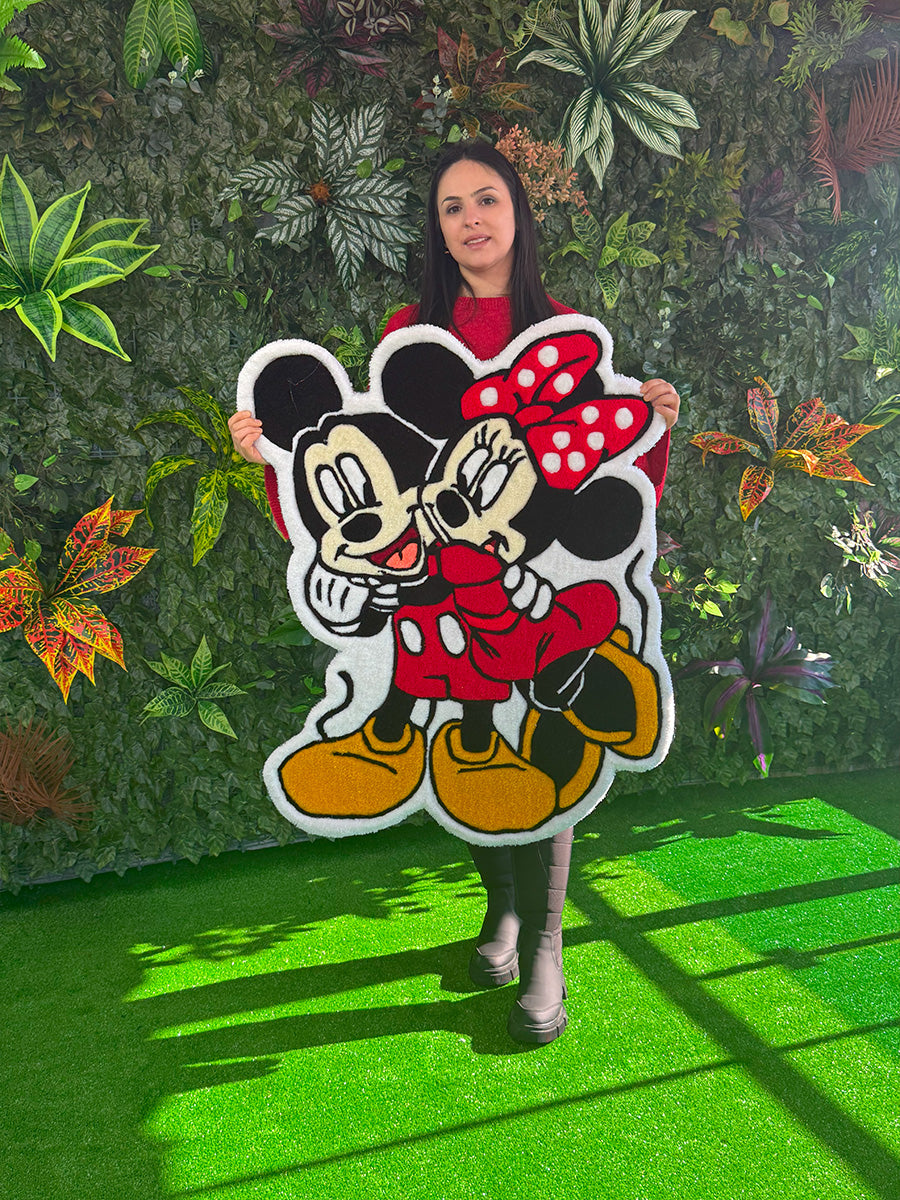
- Best For: Wall hangings, mirrors, decorative pieces.
- Cons: Can pill over time.
Wool, a natural fiber, is the gold standard of the rug industry. It is essential for "heirloom quality" work.
- Pros: Very durable, natural, stain-resistant.
- Best For: Floor rugs, high-traffic areas.
- Cons: Higher cost.
📊 Visual Comparison Analysis
🤔 Which Yarn Should You Choose?
✅ You are a beginner and practicing.
✅ Your budget is tight.
✅ You are making Wall Art (won't be stepped on).
✅ You are looking for neon or very bright colors.
✅ You plan to sell the rug (Premium Product).
✅ It is a floor rug and will be stepped on.
✅ Your customer wants natural materials and longevity.
✅ You want resistance to flattening.
| Feature | Acrylic Yarn | Wool Yarn |
|---|---|---|
| Cost | Low (Budget Friendly) | High (Investment) |
| Durability | Medium (May flatten) | Very High (Retains shape) |
| Stain Resistance | Can stain (Synthetic) | Repels stains (Natural oils/Lanolin) |
| Pilling | Pills quickly | Resistant |
🚀 Pro Tip: Blended Yarns
Can't decide? 50% Wool / 50% Acrylic blended yarns are also available on the market. These yarns are "Price/Performance" powerhouses that combine the economy of acrylic with the durability of wool. They are a great alternative for your mid-scale projects.