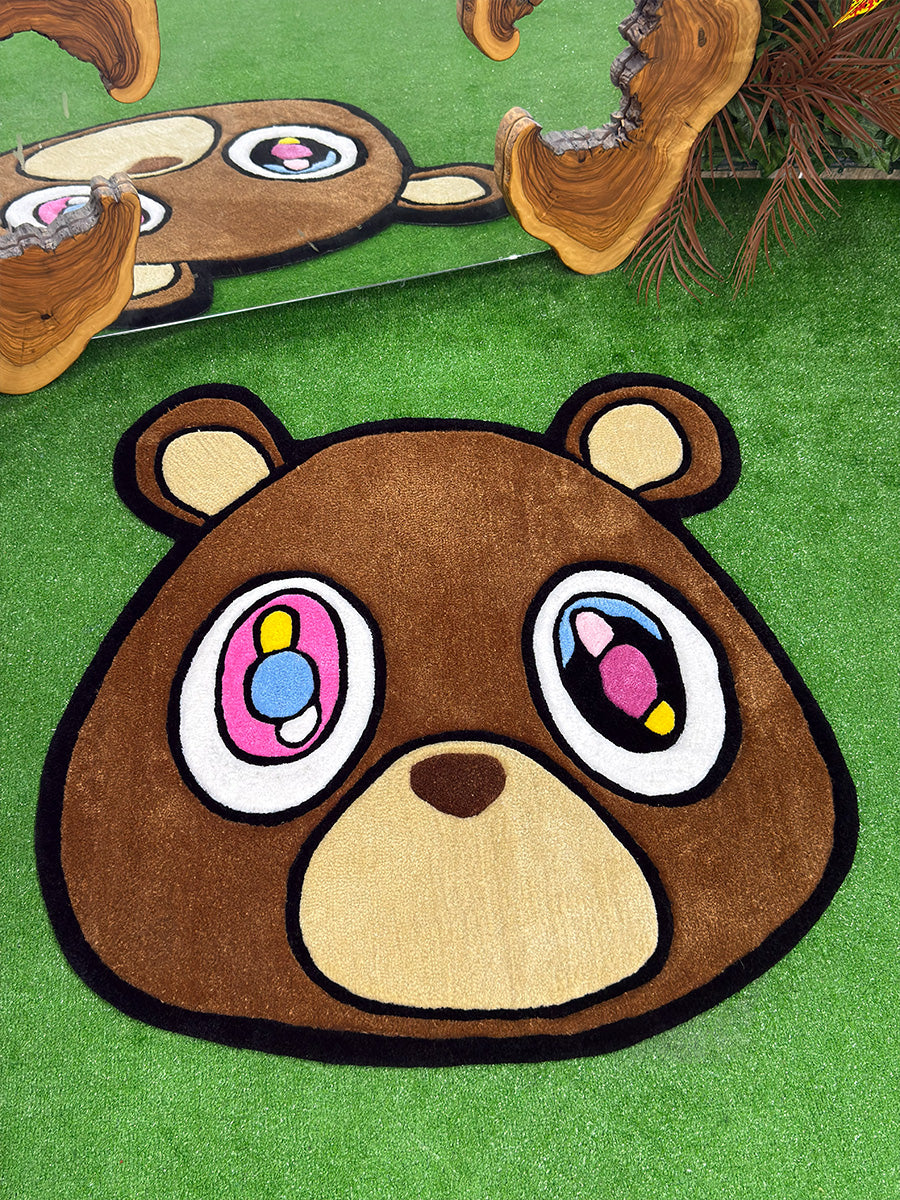
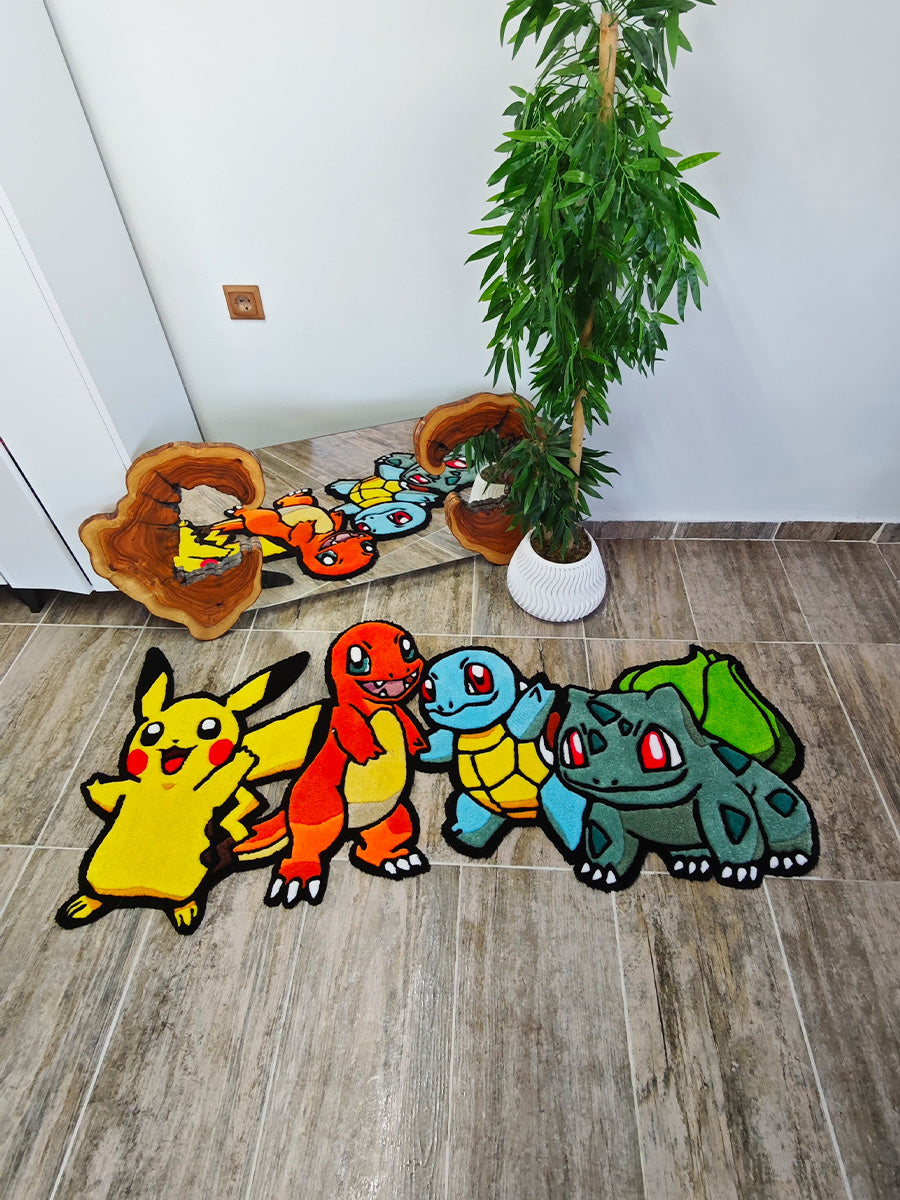
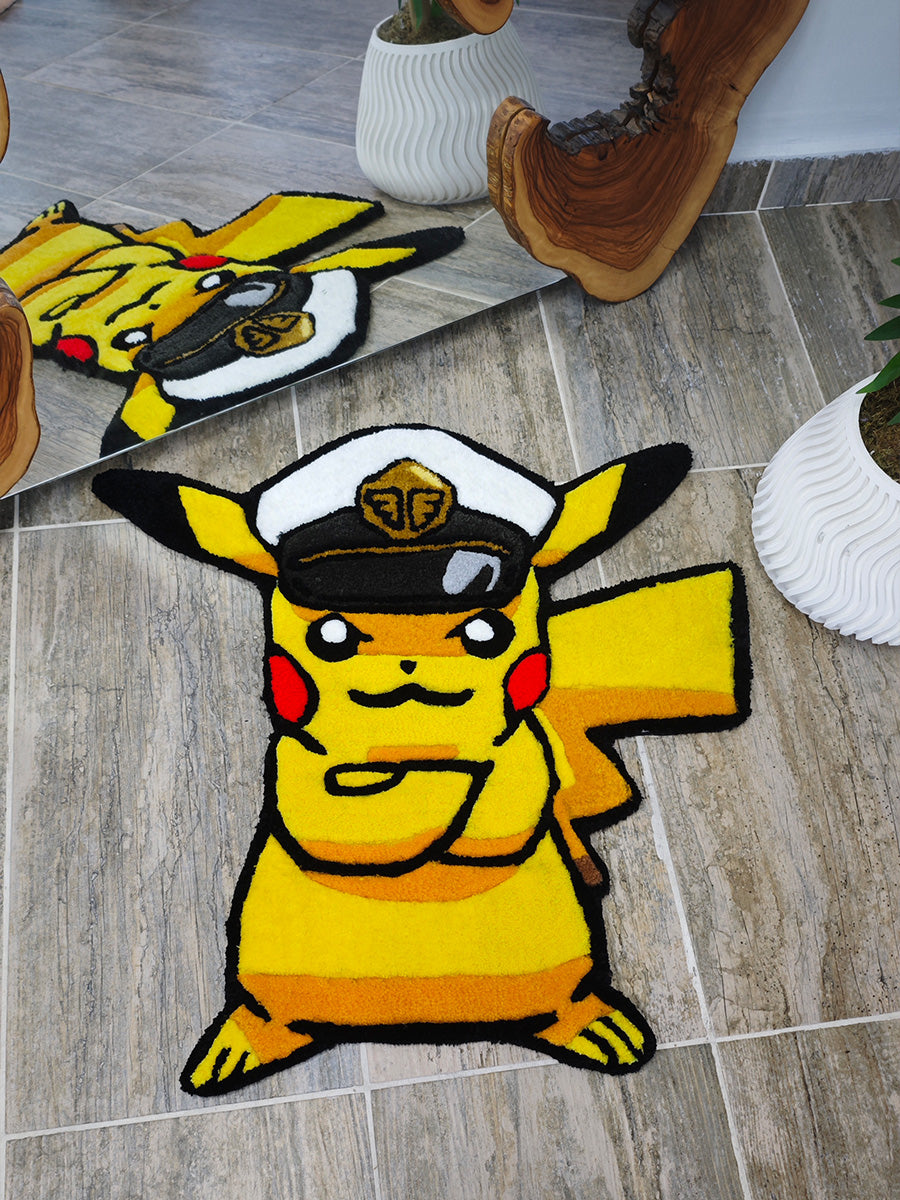
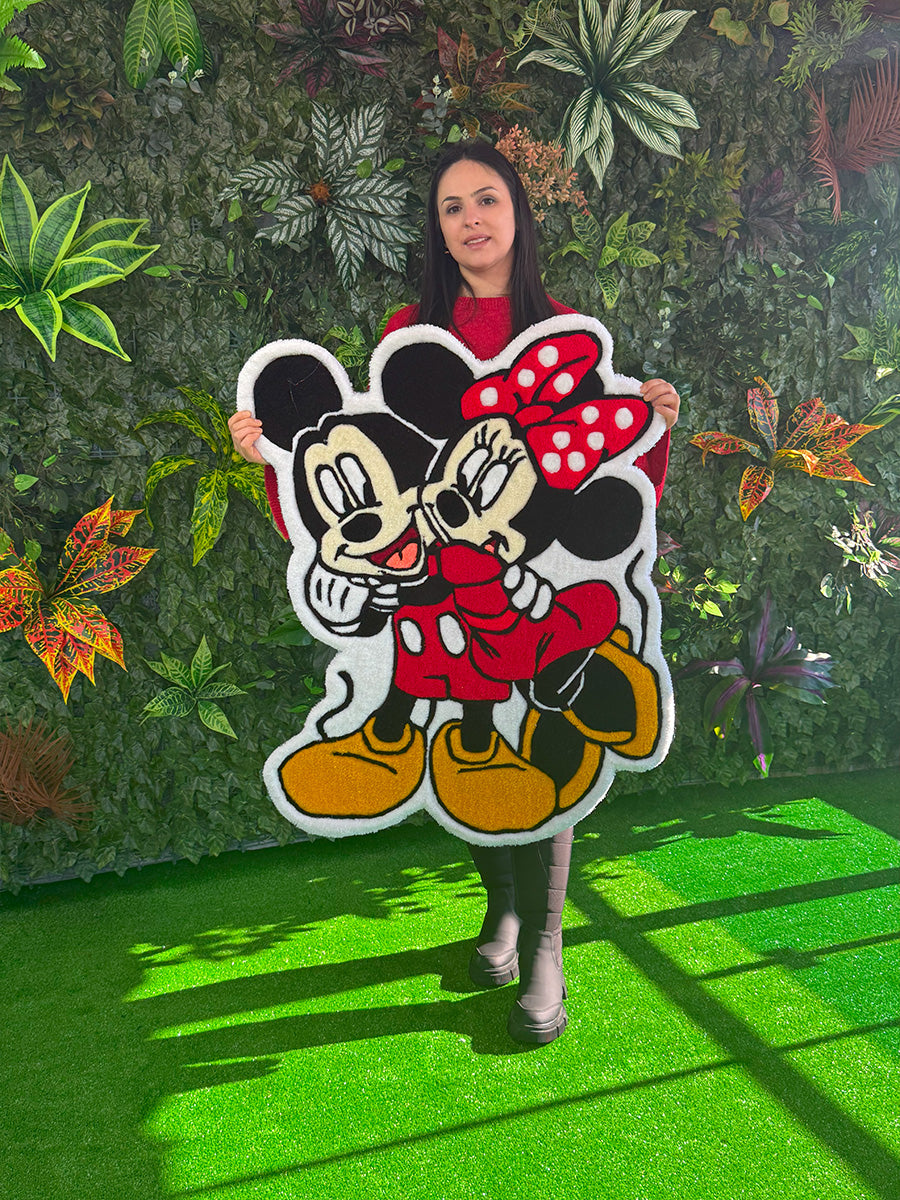
You’ve spent weeks working, shot thousands of loops with your gun, and completed your art with perfect carving. But now begins the riskiest stage of the journey: The shipping process. Tufted rugs have a delicate texture; incorrect packaging can result in your customer receiving a crushed or damaged rug.
As GG Tufting, we explain the professional packaging standards that will ensure your rugs reach the other side of the world in their original form.
1 Preparation: Final Cleanup
Before packaging, clean all loose threads, dust, and carving debris from your rug using a vacuum cleaner. Remember, even a small piece of yarn left inside the package can leave a mark on the rug when combined with humidity.
2 Protecting the Form: The Roll Rule
Never fold tufted rugs. Fold marks lead to permanent "cracks" or creases, especially after the backing latex has cured.
Roll tightly with the pile facing inward. This protects the front surface from friction.
Folding in a square shape causes the backing glue to crack and buckle.
3 Professional Layering Strategy
Couriers might not be gentle with your package. Therefore, you must apply 3-layer protection using the "Onion Skin" technique.
🛡️ Packaging Anatomy
4 Optimize Shipping Costs
In the logistics world, price is determined not just by weight, but by volume (Dimensional Weight). Using unnecessarily large boxes will lower your profit margin.
*Note: For some international carriers, the divisor may be 5000.
5 Unboxing Experience
When your customer opens the package, they shouldn't just find a rug, but a "brand experience."
- Care Card
A guide on how to clean the rug. - Thank You Note
A handwritten note addressed to the name. - Fragile Sticker
Warning label on the package.