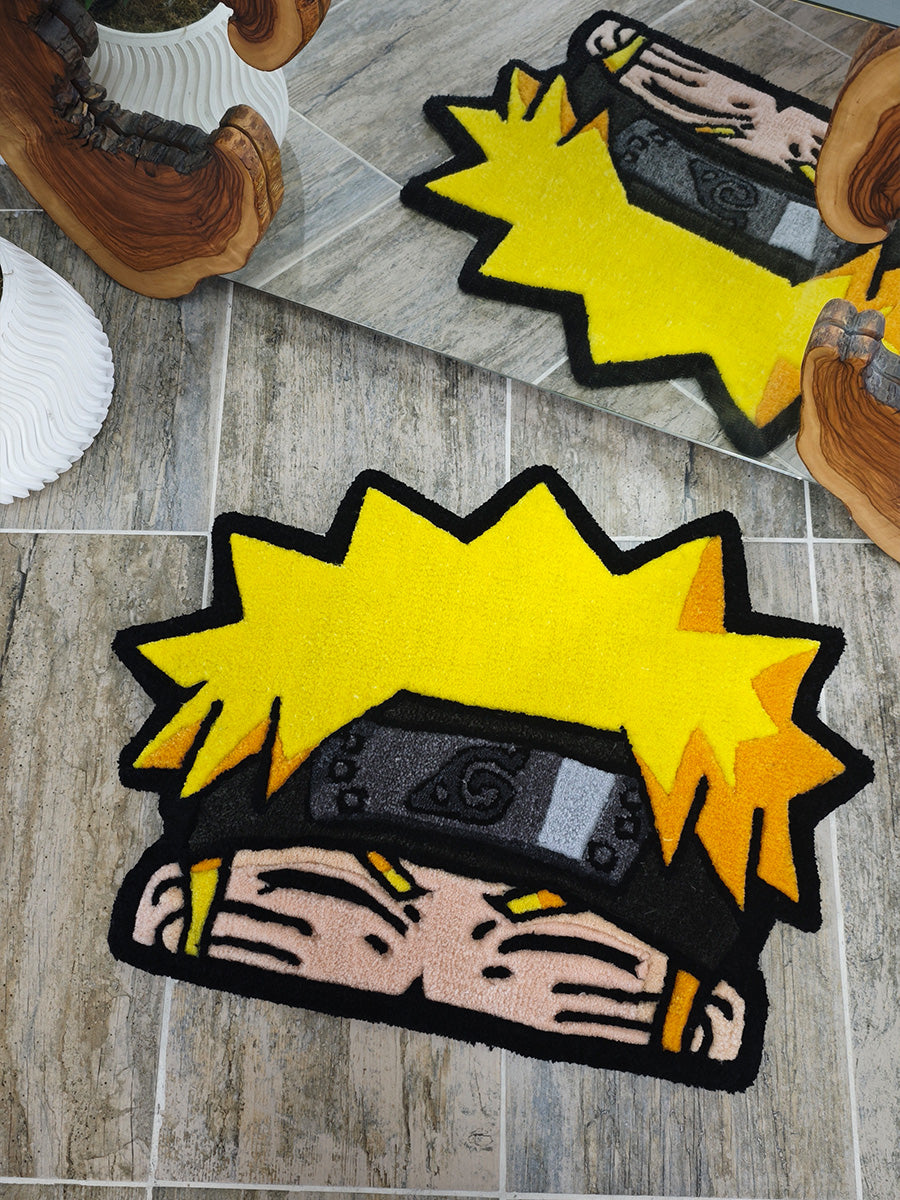
While watching mesmerizing videos on social media, you might find yourself asking, "Could I do that too?" But like any art form, the most curious topic in the tufting world is the budget. Is it possible to embark on this journey with zero capital, or do you need to break the bank for a professional start?
To be completely honest, tufting isn't a craft you can start with "absolutely zero" capital. It requires physical materials ranging from yarn and fabric to a tufting gun and adhesive. However, by managing your budget wisely, there are effective ways to minimize these costs.
📍 1. The Low-Budget Alternative: Punch Needle
If your budget is very limited (around the $15 - $35 range), instead of buying a tufting gun right away, you can start with the ancestor of this craft: the "Punch Needle" technique. This method is a fantastic stepping stone to grasp the logic and flow of tufting.
| Feature | Punch Needle (Low Budget) | Tufting Gun (Higher Budget) |
|---|---|---|
| Startup Cost | $15 - $35 | $350 - $600 |
| Production Speed | Slow (Manual) | Very Fast (Electric) |
| Space Required | A table edge is enough | A dedicated workshop or room |
📍 2. Minimum Requirements and Estimated Costs
If you want to set out with a professional tufting gun, you need to allocate a minimum budget based on current market conditions. Here are the main expenses you should expect:
Average: $150 - $200. This is the biggest investment of the craft. Avoid overly cheap models, as they can easily tear your fabric.
Average: $60 - $100. You can save money by building your own frame structure using wooden strips from your local hardware store.
Average (Per rug): $35 - $60. This includes your primary yarn, carpet adhesive, and backing fabrics.
📍 3. Cost-Cutting Strategies
Start with Acrylic Yarn
While wool yarns offer a premium, professional texture, their costs are quite high. By opting for good-quality acrylic yarns during your learning phase, you can cut your material expenses in half.
- Build Your Own Frame: Instead of buying expensive, ready-made metal frames, look up DIY videos online and build a wooden frame yourself.
- Hunt for Second-Hand Equipment: You can get your tufting gun much cheaper by keeping an eye on marketplaces for artists who are upgrading their equipment or leaving the hobby.
- Use Stencils Instead of a Projector: Rather than buying a pricey projector right away, you can easily transfer your design onto the fabric using large paper stencils.
📍 4. Unforeseen Hidden Costs
Just buying the machine isn't enough. From a professional's perspective, you shouldn't forget that the real cost lies in the "learning process."
- Torn Fabrics: It is completely normal for the fabric to tear during your first attempts. Keep in mind that this means additional material costs.
- Cost of Time: Finishing a rug takes an average of 15 to 20 hours. You must factor the value of your own time into your overall cost.
- Noise and Dust Management: If you are going to work from home, don't overlook the small expenses you'll need for soundproofing and dust cleanup.
The Choice is Yours!
Tufting is a journey that requires capital upfront, but offers an incredibly fulfilling, art-filled return. If you don't want to deal with this complex process and the risk of a high investment—and simply want to add a high-quality, professional piece of art to your home—we are here for you at GG Tufting.
Bring your patience to create your own art, or simply browse our ready-made collections to effortlessly beautify your home.