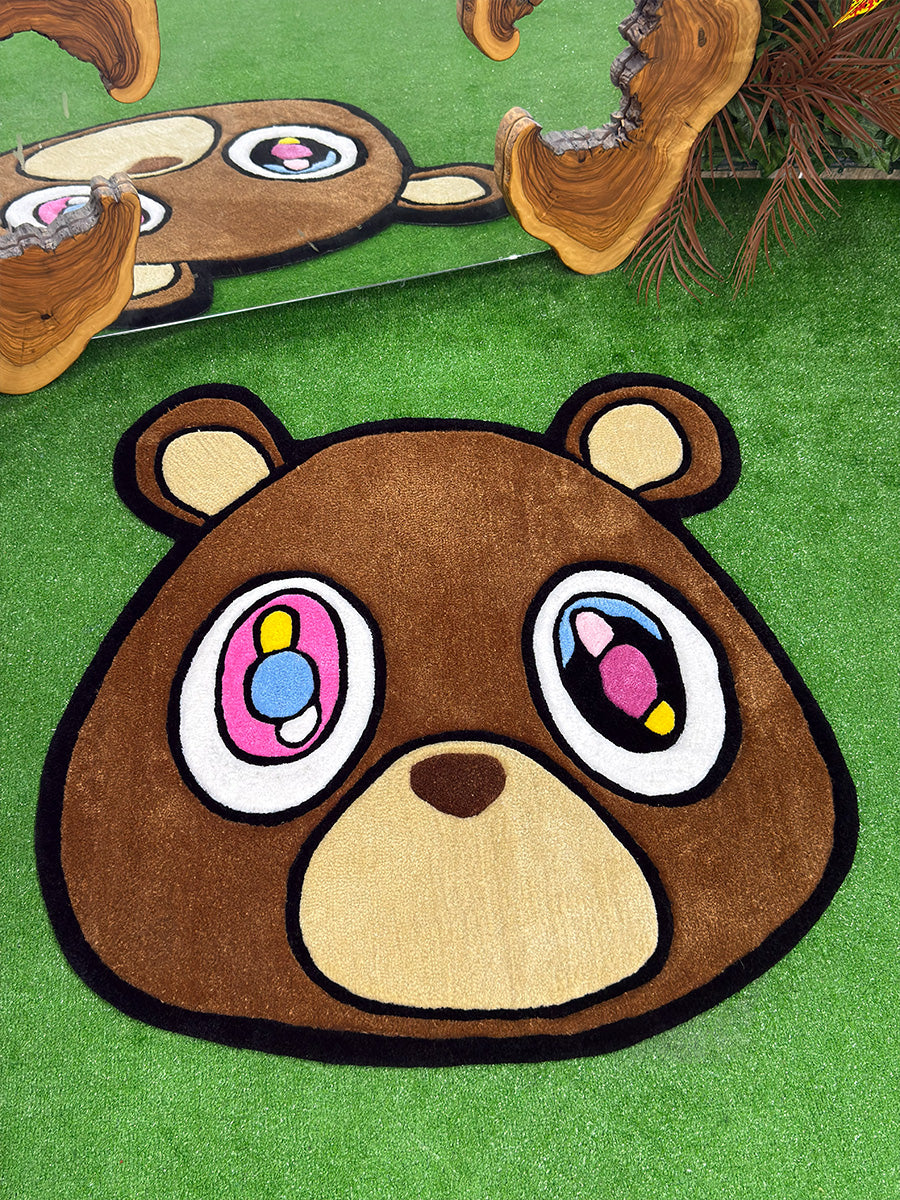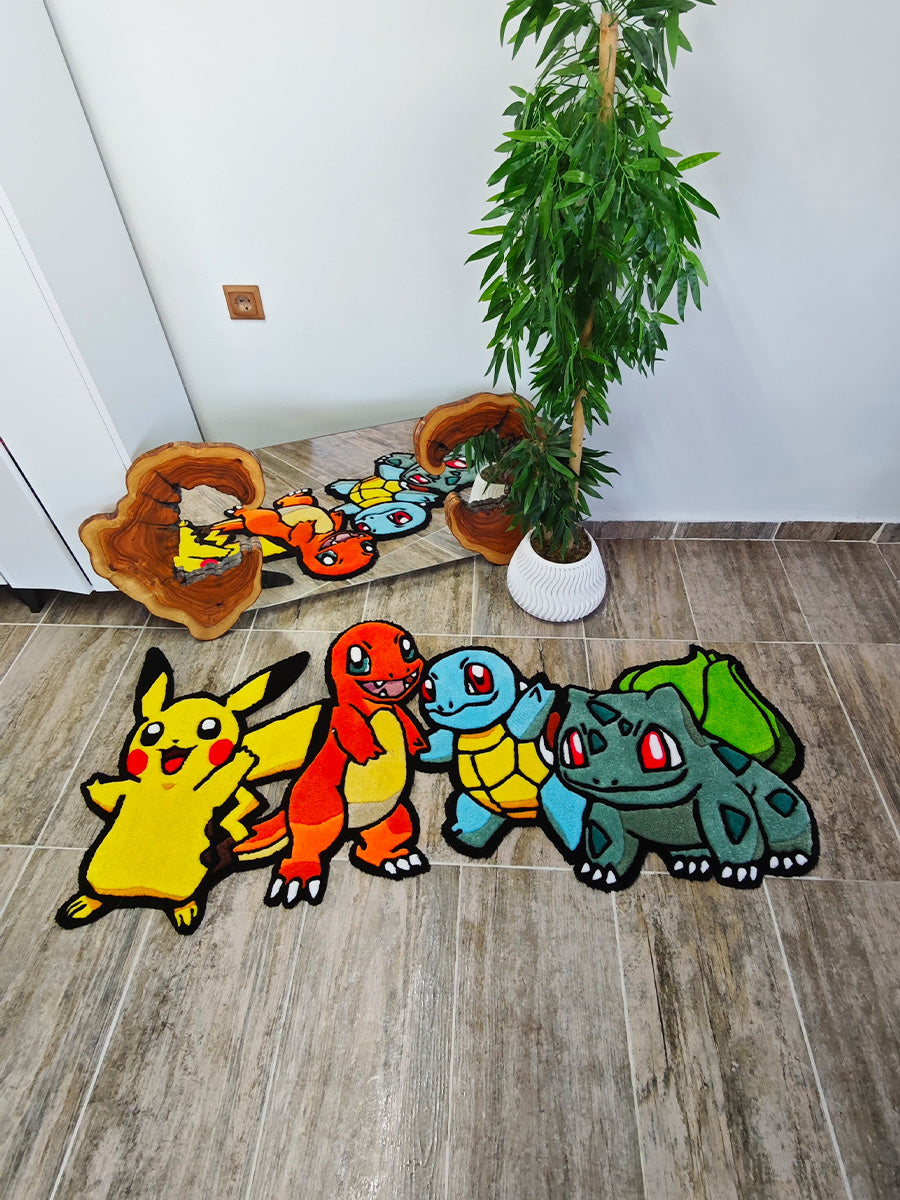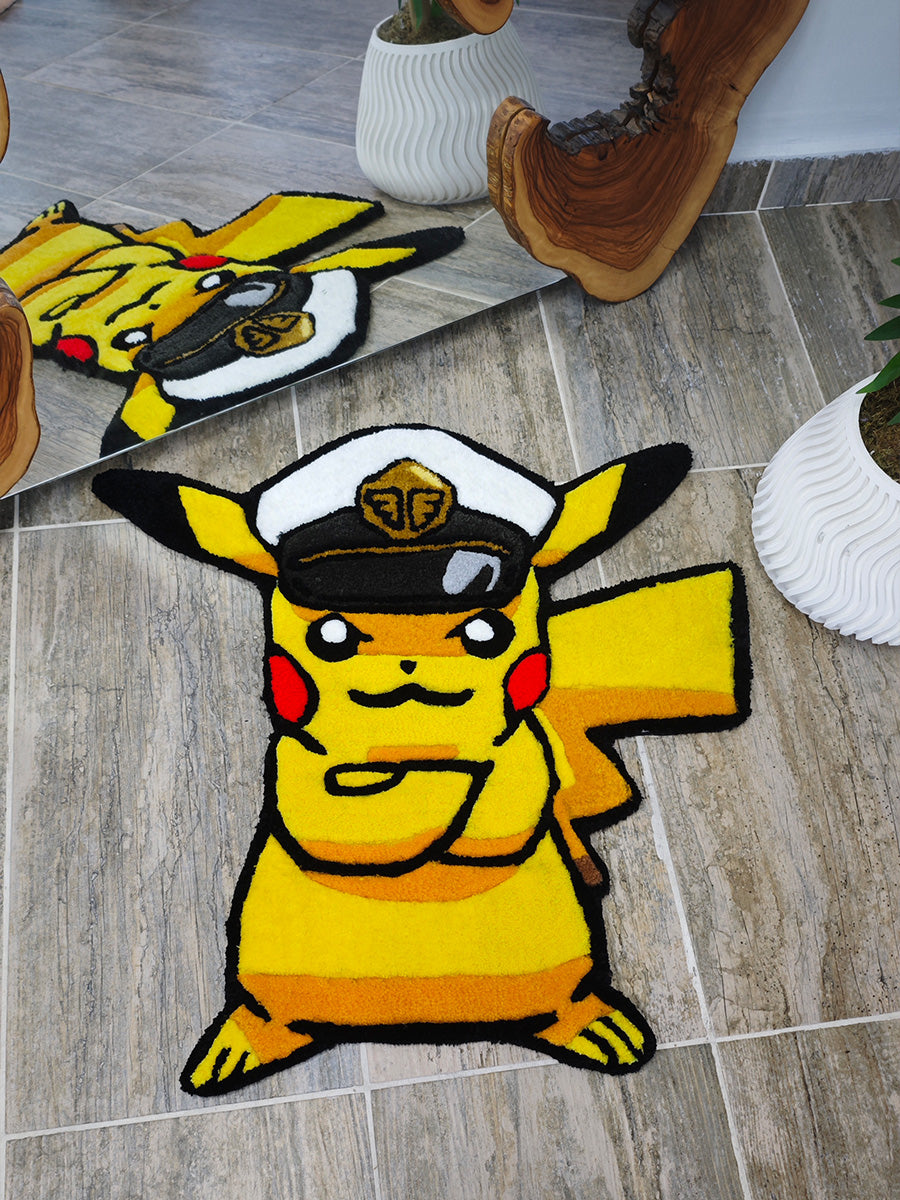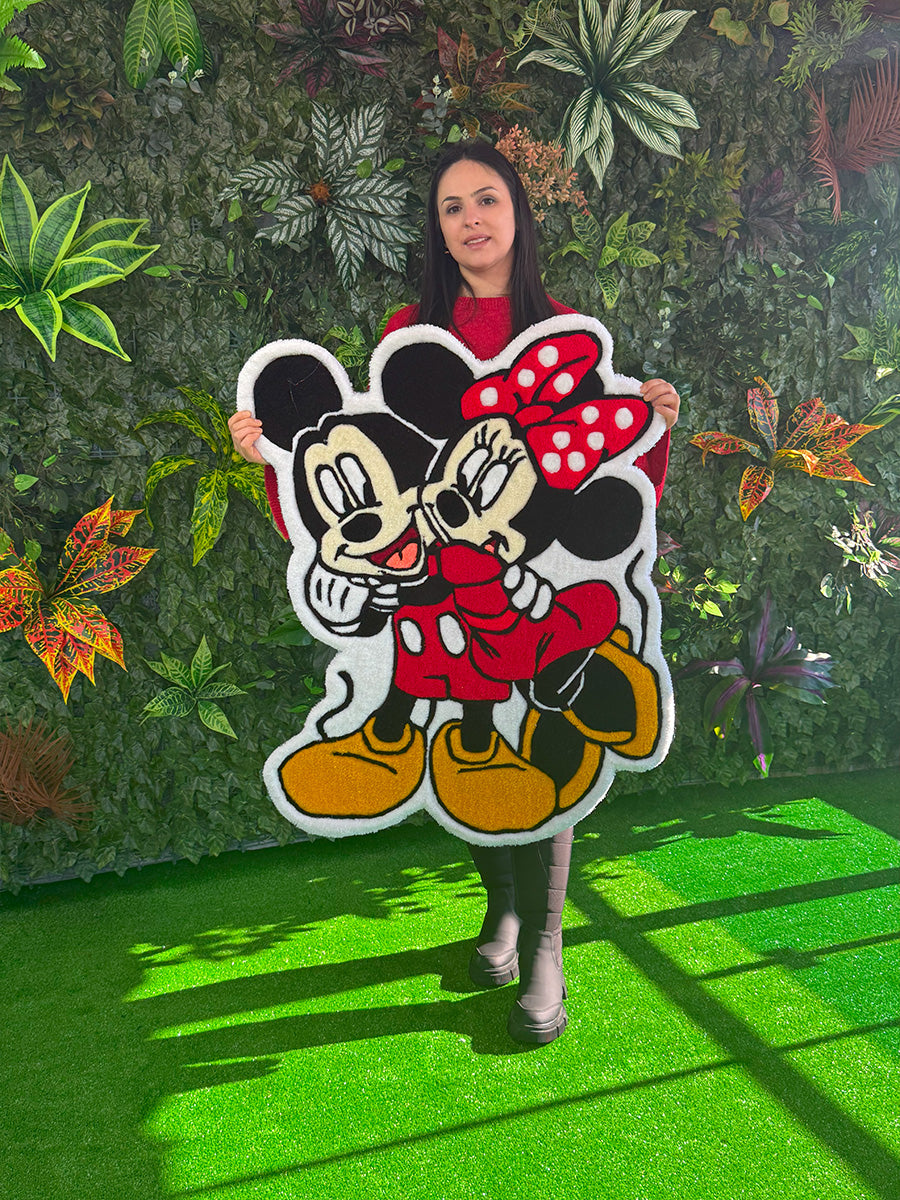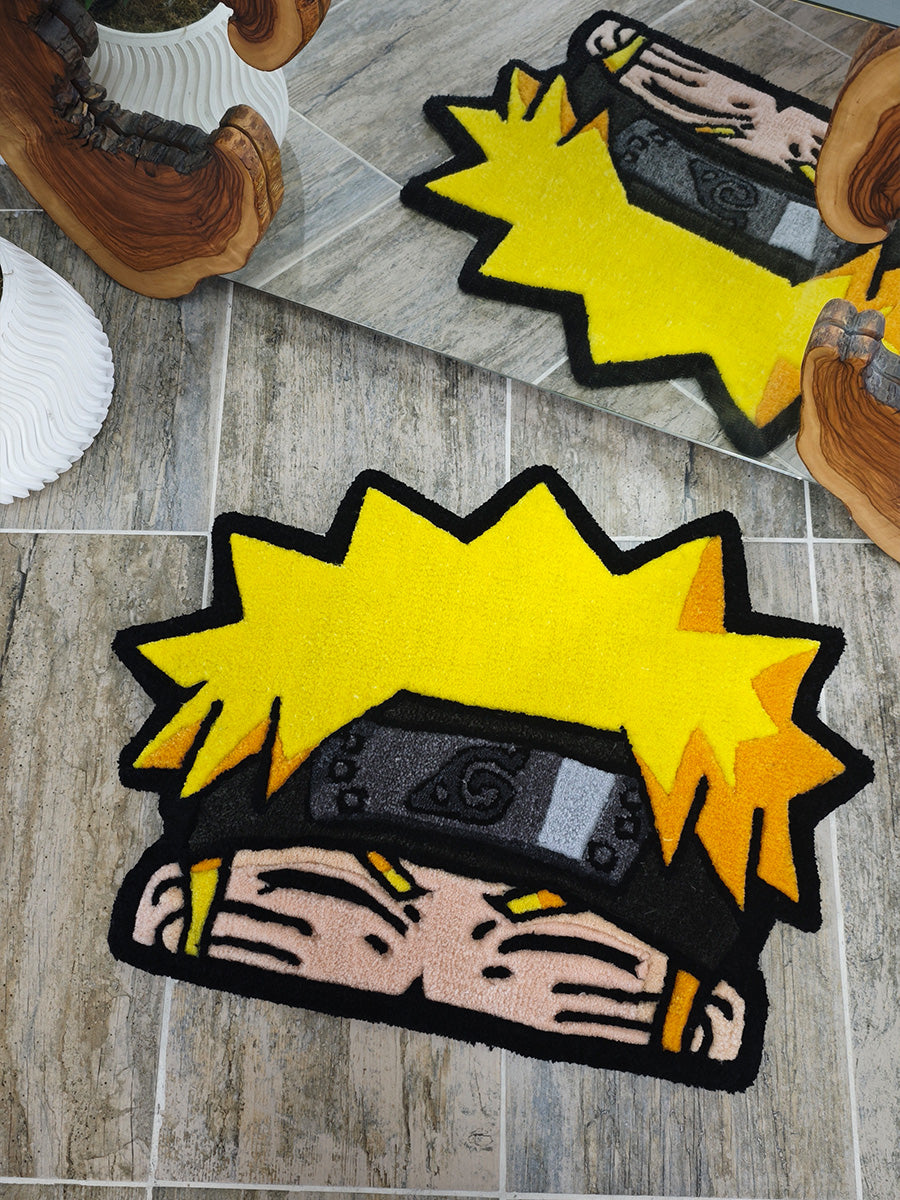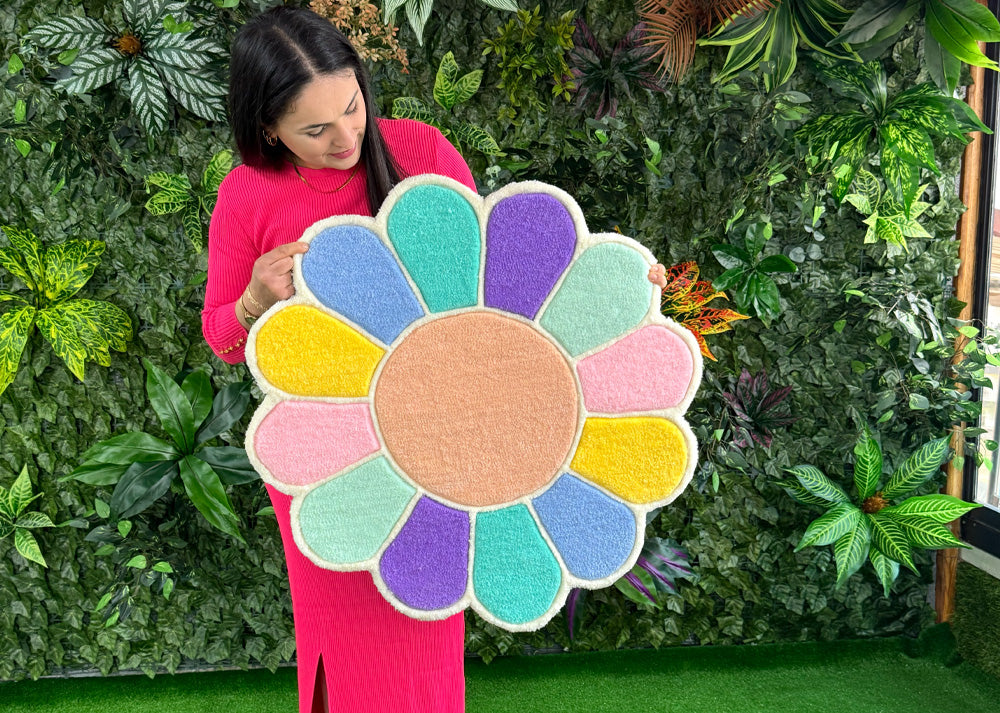
Tufting isn't just a handicraft; it's an exciting journey where you can turn your creativity into a profitable business model. Even if you have absolutely zero experience, with the right strategy and disciplined work, it's entirely possible to build a brand that reaches a global market right from your spare room.
📍 Step 1: Technical Skills and Practice
Before you start selling, your product quality needs to meet a certain standard. Adopting a professional designer's mindset to ensure your products are both aesthetically pleasing and durable is the key to your sales success.
- Build Muscle Memory: Getting used to the speed and weight of a tufting gun takes time. Treat your first 5-10 attempts purely as learning experiences, not as products to sell.
- Know Your Materials: Learn through experience which yarn (acrylic vs. wool) looks better for specific projects, and which latex glue penetrates the backing cloth best.
- The Art of Finishing (Carving): The shaving and trimming process done after the tufting is complete is the biggest differentiator between an amateur piece and a professional rug.
📍 Step 2: Business Foundation and Planning
Scaling a tufting side hustle requires financial and legal preparation, much like running an LLC. A professional brand is defined by the organization operating behind the scenes.
- Financial Prep: Keep a strict track of your income and expenses. If you are setting up a formal structure like a US-based LLC, plan your bookkeeping and tax return processes (e.g., preparing for the upcoming tax season) well in advance.
- Space Management: When converting a room in your house into a studio, make sure you have a solid plan for noise reduction and dust management.
📍 Step 3: Finding Your Niche and Building a Portfolio
Instead of trying to make everything for everyone, focusing on a specific style increases your brand recognition. Use professional e-commerce platforms like Shopify to showcase your work.
Find Your Style
Anime characters, minimalist geometric patterns, or custom pet portraits? Your focus is what makes you an expert in the eyes of the buyer.
Professional Photography
Take high-resolution photos that accurately reflect the texture and true colors of your products. Natural daylight is your best friend.
📍 Step 4: Strategic Pricing
When setting your prices, you must account not only for materials but also for your labor and business overhead.
Sample Cost Breakdown (USD)
- Material Costs: Yarn, backing cloth, glue, and felt backing (E.g., $15 - $50 depending on the project size).
- Time/Labor Cost: Multiply the hours spent by your predetermined hourly rate. Don't work for free!
- Business Expenses: Electricity, packaging, shipping materials, and platform fees (Etsy/Shopify).
Pro Tip: Analyze the market, but never undervalue the worth of your handmade labor.
📍 Step 5: Digital Marketing and Sales Channels
Simply producing the items isn't enough; you need to get them in front of the right audience. Integrate your Shopify store (like `ggtufting.com`) seamlessly with your social media accounts.
- Your Social Media Storefront: Share "Behind the Scenes" and process videos on Instagram and TikTok. People love seeing how a product comes to life.
- Customer Relations: The communication you establish with potential or existing customers must be strictly professional. Build a loyal audience through email marketing.
- Global Reach: Utilize platforms like Etsy to sell internationally and establish a global customer base.
Final Thoughts
The tufting journey requires patience and passion. Every new loop is a step taken toward growing your brand. When you approach this craft with the meticulousness of a professional designer and consultant, expanding beyond the walls of your small home studio is inevitable. Wishing you the best of luck on this path where art meets business!