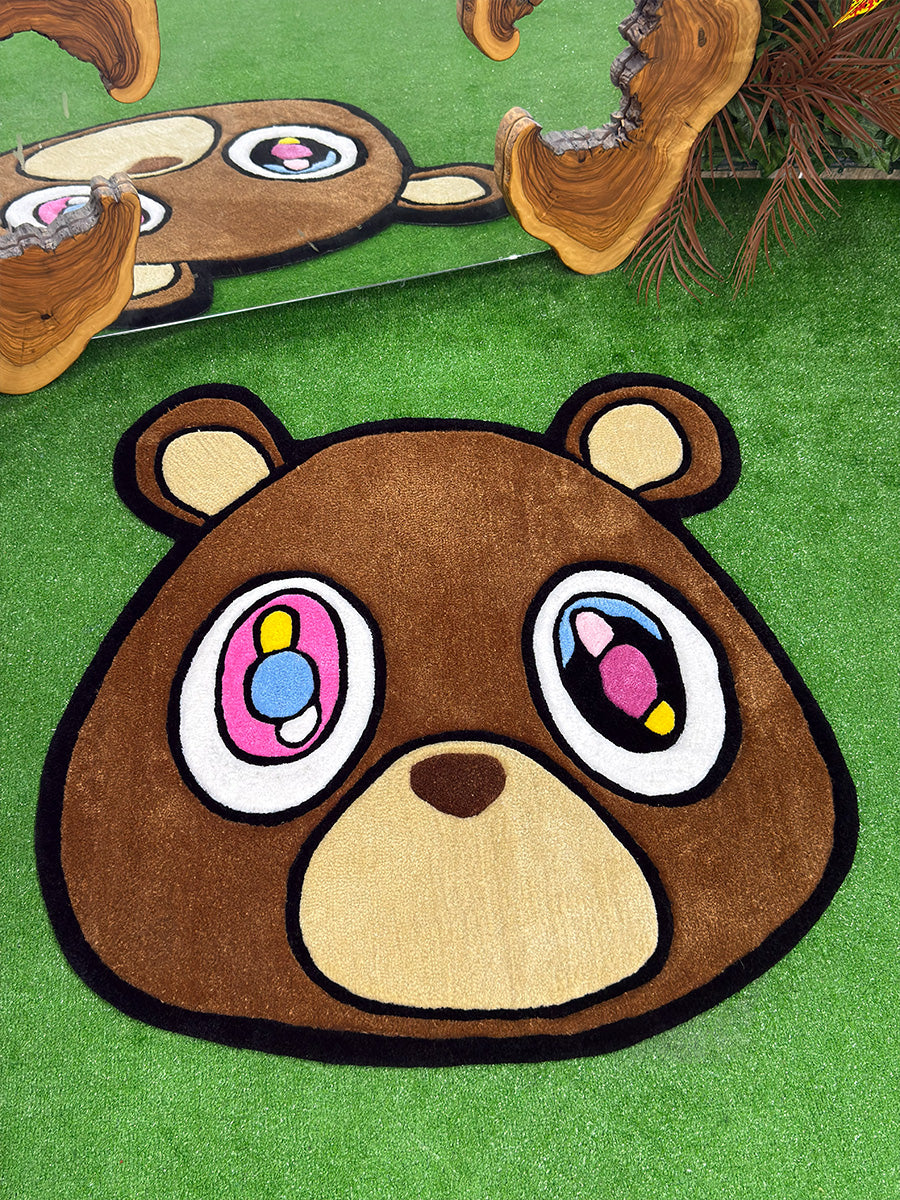
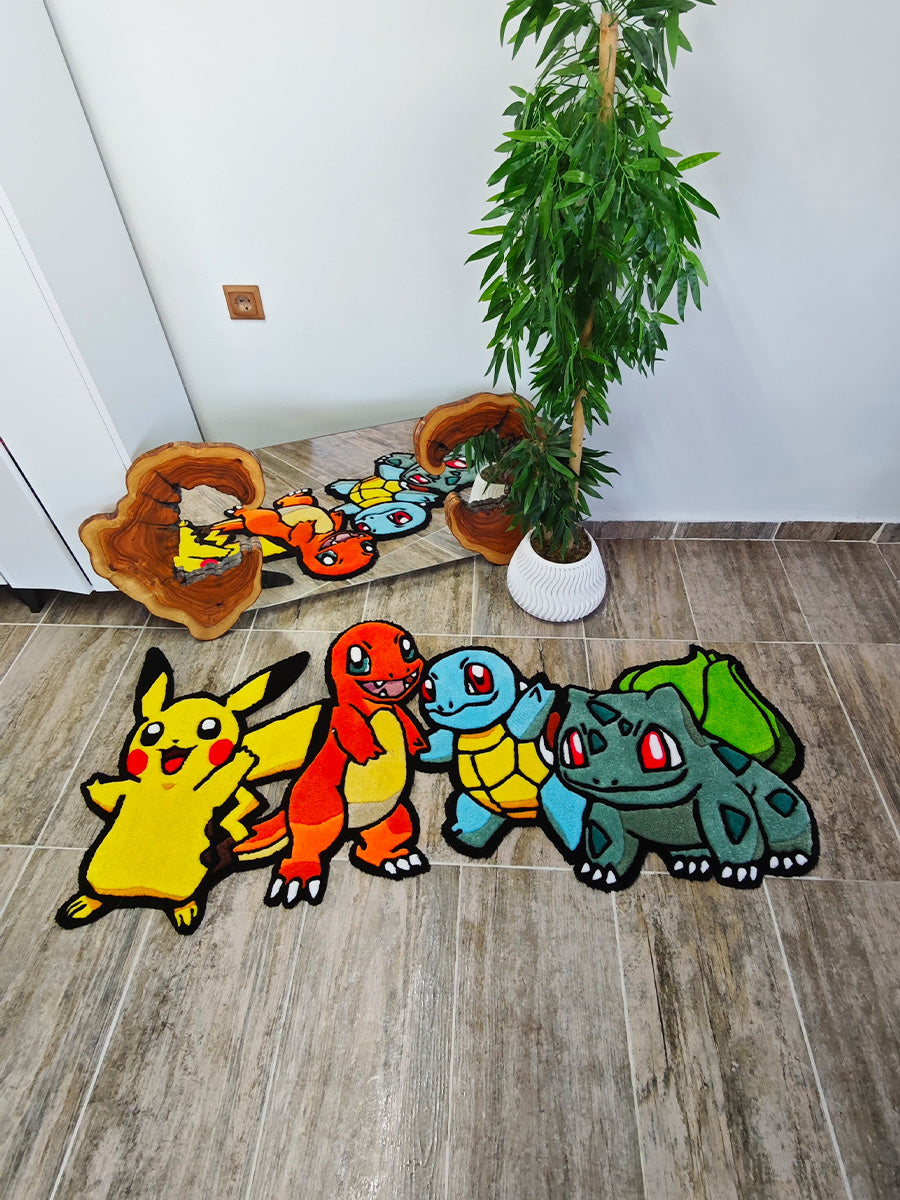
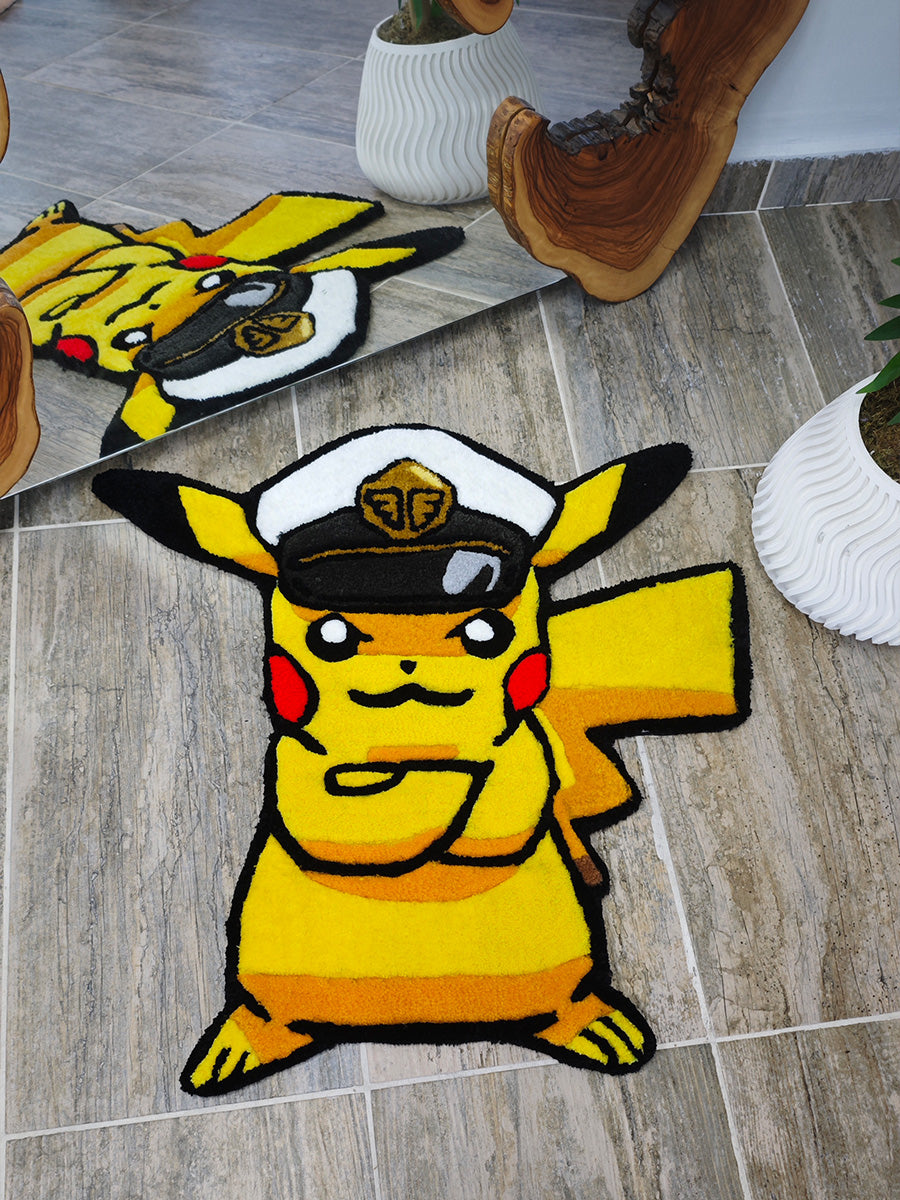
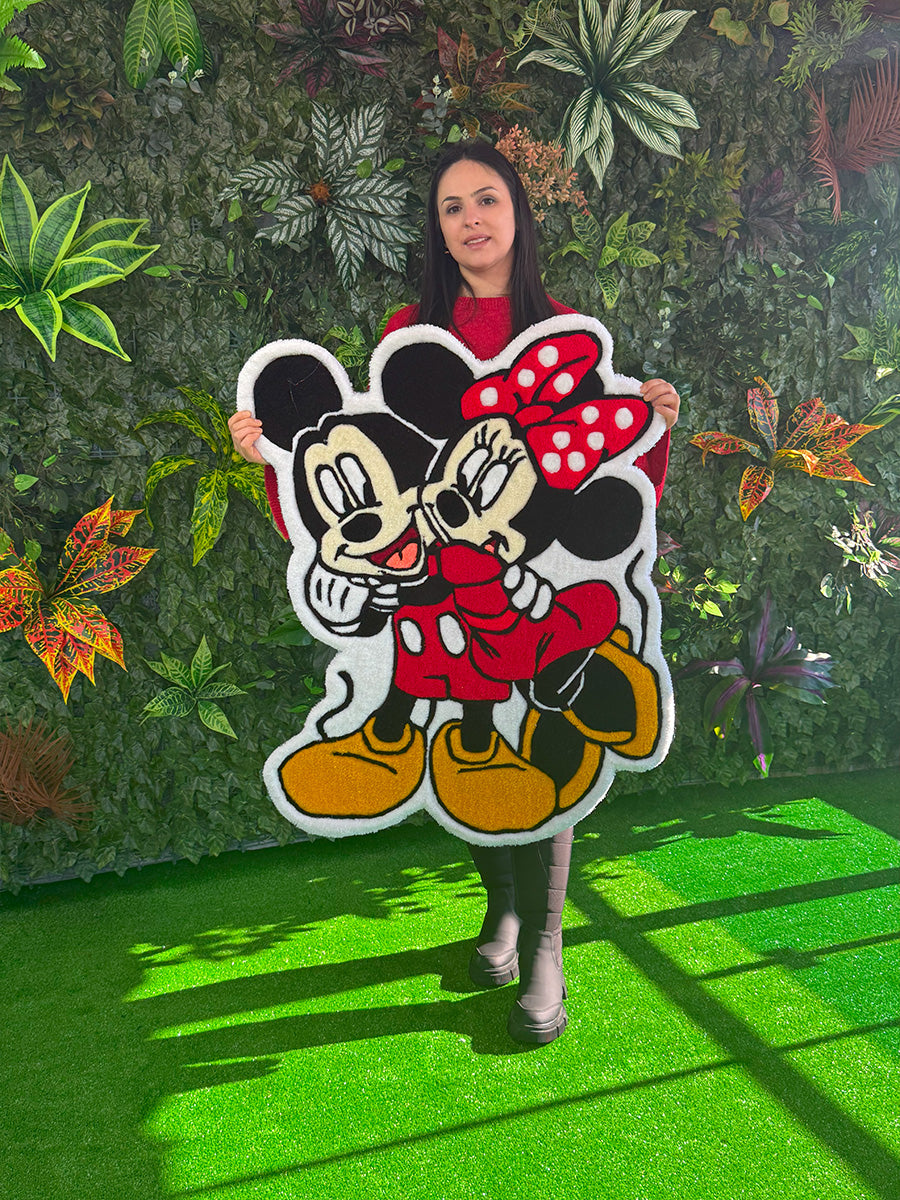
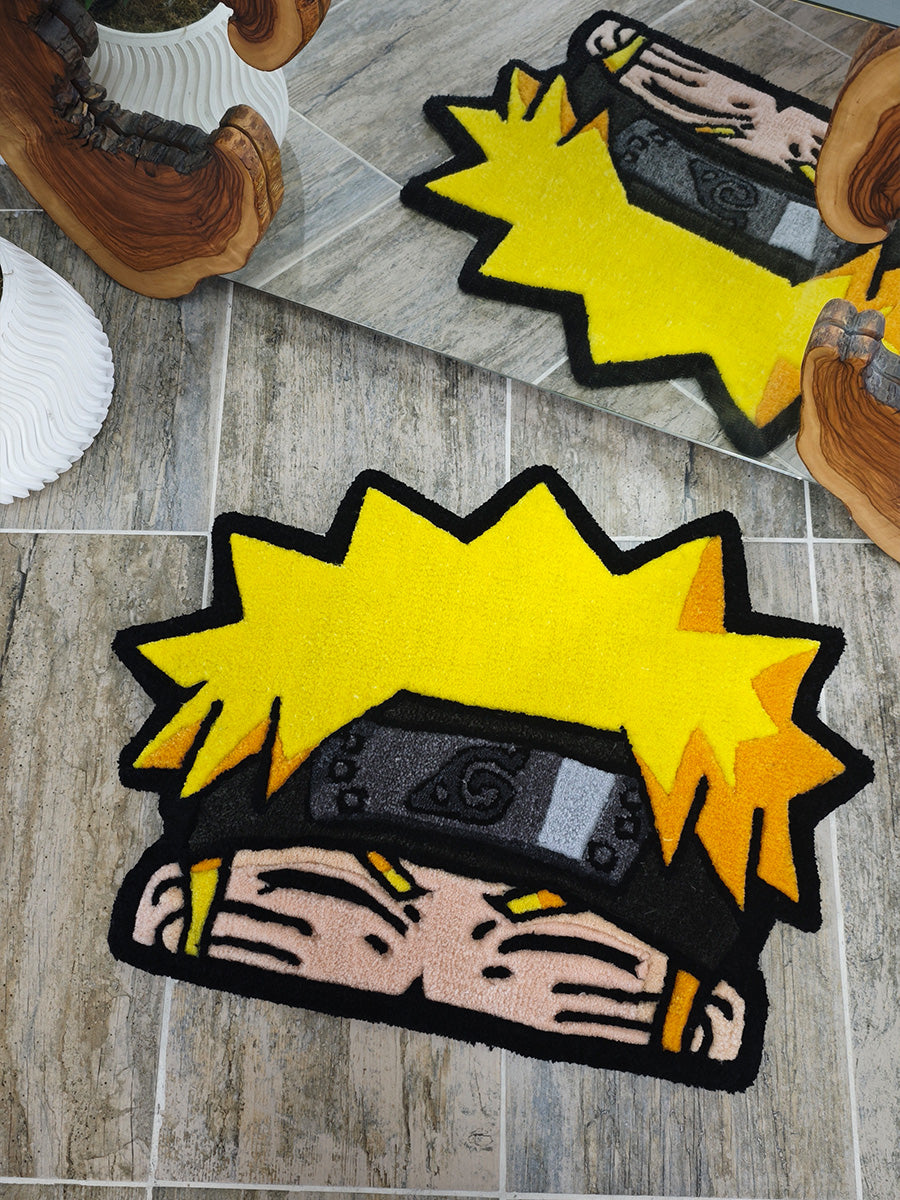
If you're new to the art of tufting, the first and biggest dilemma you'll face is: Which machine should I choose? This isn't just about buying a tool; it's the fundamental step that defines the character, texture, and final look of the art you create.
At GG Tufting, we break down the anatomy of these two techniques. Which is easier? Which is more aesthetic? Let's decide together.
Technical Anatomy: How Does the Yarn Sit?
Yarn is cut by scissors. Tips point up, forming a "U" shape.
- Texture: Soft, velvety, fluffy.
- Advantage: Hides mistakes, perfect for carving/shaving.
- Popularity: 90% usage rate.
Yarn is not cut. It forms a continuous loop.
- Texture: Firm, tight, bead-like.
- Advantage: Shows details clearly, no shedding.
- Challenge: Mistakes are more visible.
Comparison Table
| Feature | Cut Pile | Loop Pile |
|---|---|---|
| Finish Texture | Soft & Fluffy | Firm & Looped |
| Error Tolerance | High (Hides easily) | Low (Mistakes show) |
| Carving (Shaving) | ✅ Highly Suitable | ❌ Not Suitable |
| Usage Area | Decorative Rugs, Pillows | Doormats, Office Rugs |
| Workflow | Automatic Cutting | Manual Cutting Required |
Which Should You Choose?
✂️ Choose CUT PILE If:
- You want to shave your rugs to create 3D (carved) effects.
- You want to create those popular fluffy rugs seen on TikTok/Instagram.
- You are a beginner (It is much more forgiving).
➿ Choose LOOP PILE If:
- You want to produce nostalgic, embroidery-like, or highly detailed logos.
- You are looking for a durable, crush-resistant texture for high-traffic areas like kitchens.
- You want to keep yarn consumption slightly lower.