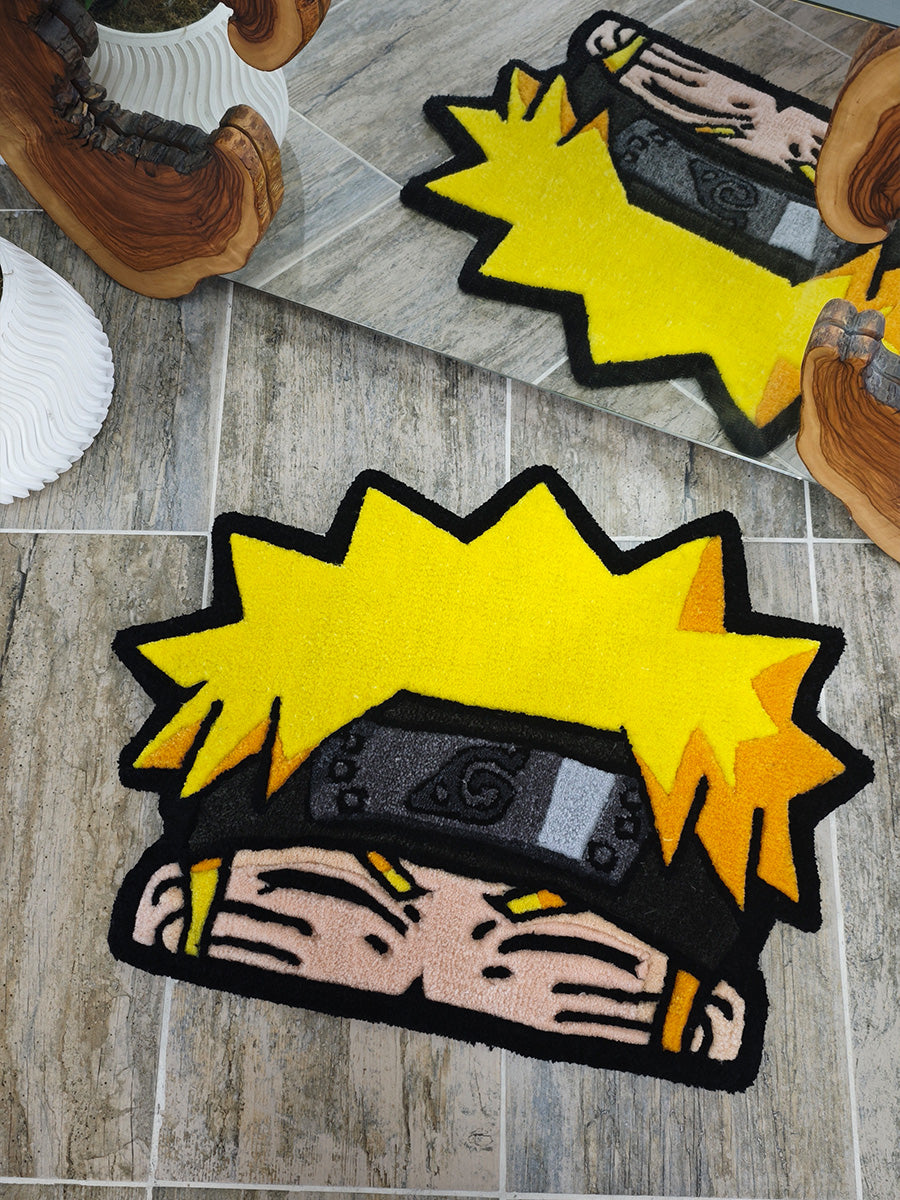
In the art of tufting, no matter how stunning the "front side" looks, the true quality and longevity of a rug are determined by its backing. A rug that isn't sealed with the correct technique will eventually shed yarn, lose its shape, or become a slip hazard on the floor.
So, how do the pros seal their rugs? Let's make the back of your rug as durable as factory-made ones with GG Tufting's expertise.
Rug Anatomy: The Layers
(Hover over the stack to separate the layers)
1 Securing the Yarn: Which Glue?
Before removing the rug from the frame, the first thing you must do is lock every single loop into the fabric.
The standard used by real carpet factories. It remains flexible when dry, doesn't crack, and holds the yarn like concrete.
Often known as PVA glue. It hardens when dry. Suitable for wall hangings but may crack on floor rugs.
Only for temporary fixing or adhering thin fabrics. Never use this alone for the main sealing process.
If you plan to sell your rugs, "flexibility" is everything. If the glue cracks when your customer unrolls the rug, it will be labeled as "poor quality." Always invest in flexible adhesives like Liquid Latex.
2 Final Layer: Choosing Fabric
Which fabric should you choose for an aesthetic finish over the adhesive?
Felt
Economical and soft. Adds fullness to the rug.
Non-Slip Backing
Essential for floor rugs. Surface with silicone dots.
Action Back
Hard mesh structure. For very high-traffic areas.
3 Step-by-Step Application
- Cleaning: Trim excess yarn and dust from the back of the rug with scissors. The surface must be smooth.
- Applying Glue: Pour the glue into the center and spread it outwards with a spatula. Ensure it penetrates to the roots of the yarn.
- Placing the Fabric: Apply the backing cloth tautly while the glue is still wet (or with a second coat if using a contact adhesive).
- Waterfall Edge: Remove the rug from the frame. Fold the excess edges to the back and secure with hot glue for a clean finish.