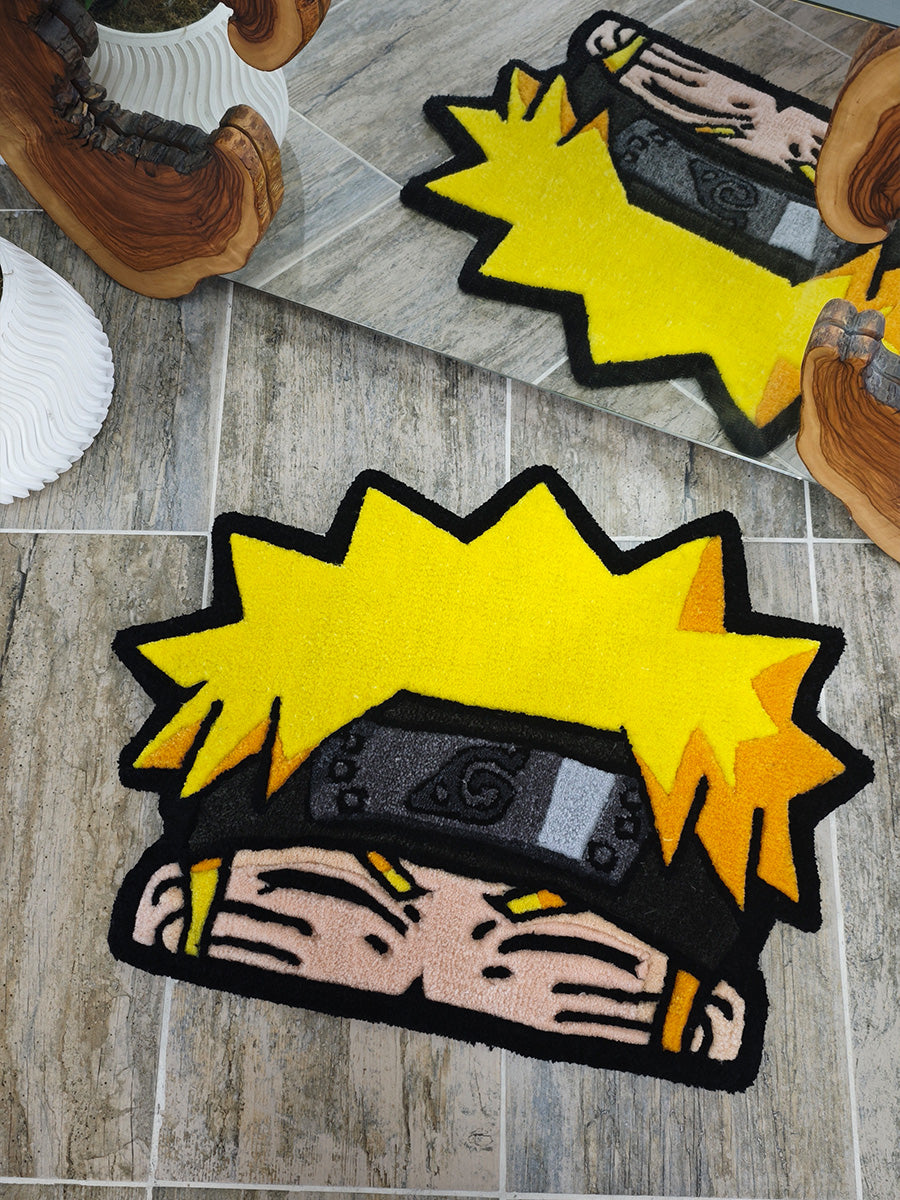
When buying a rug, we all ask the same questions: "Will it lose its shape over time?", "If I put a table on it, will it leave a permanent mark?", or "Will it sag after washing?" These concerns often stem from the deformations frequently seen in natural fibers like cotton.
So, how does Acrylic, the star of modern tufted rugs, perform? The answer lies in the fine line between "Elasticity" and "Sagging" hidden in the yarn's chemistry. At GG Tufting, we reveal the secret to why our rugs retain their form for years.
1. Is Stretching Good or Bad?
Two concepts are often confused in rug making. To understand the quality of acrylic rugs, you need to know the difference:
This is GOOD. It refers to the yarn elongating when stepped on or pulled, but returning to its original state when the pressure is released. Acrylic excels at this.
This is BAD. It refers to the rug losing its shape over time due to moisture or heavy use, becoming loose and "baggy." Unlike cotton rugs, acrylic rugs do not sag.
2. Does Yarn Have a "Memory"?
Acrylic Works Like a "Spring"
Acrylic yarns undergo heat treatment during production. This process loads a "memory" into the fiber. Even if the yarn is crushed, it naturally wants to return to its original upright position.
This is why acrylic rugs maintain their fullness for a long time instead of matting down when walked upon.
3. Do Heavy Furniture Marks Remain?
Thanks to its elastic structure, acrylic is one of the most resistant materials to furniture indentations. Here is how the process works:
4. Form Retention Report Card
| Material | Elasticity / Bounce Back | Sagging Risk (Humidity) |
|---|---|---|
| 100% Acrylic (Tufted) | Very High (Springy) | None (Repels Water) |
| Wool | Excellent | Low |
| Cotton | Low (Crushes) | High (Sags) |
| Polyester | Medium | Low |
If a rug "sags" or "warps" after washing, the culprit is usually not the yarn, but the glue or backing. Poor quality glue loosens when it contacts water. Since we use 1st class, water-resistant latex glue that retains flexibility, your rugs remain perfectly shaped even after washing.
Stretches But Doesn't Deform
In conclusion; Acrylic yarn "stretches," and that is a very good thing! Thanks to its elasticity, it absorbs impact, doesn't break when stepped on, and prevents furniture marks from becoming permanent. However, it does not shapelessly "slacken" or "sag."
If you want a rug that maintains its form, pattern symmetry, and fullness for years, you can confidently choose GG Tufting collections produced with memory acrylic yarns.