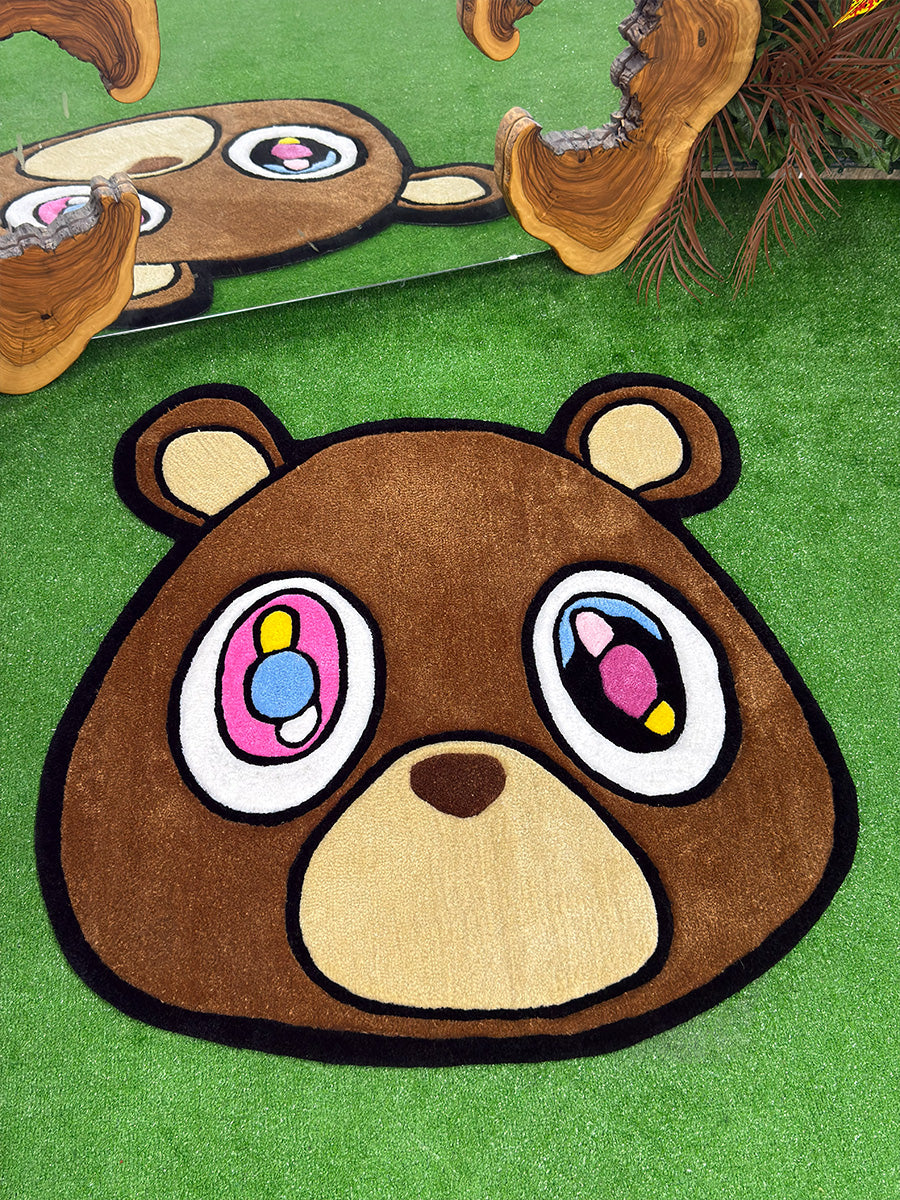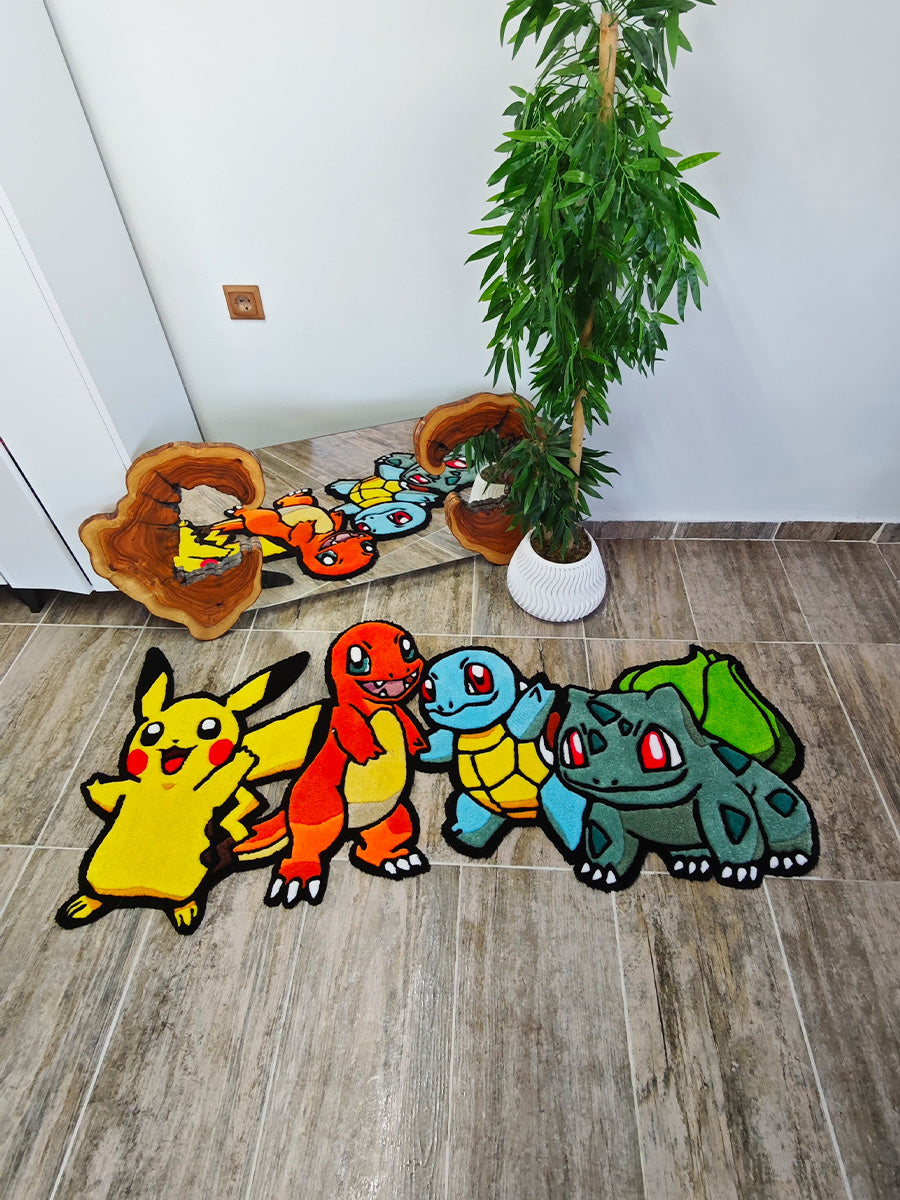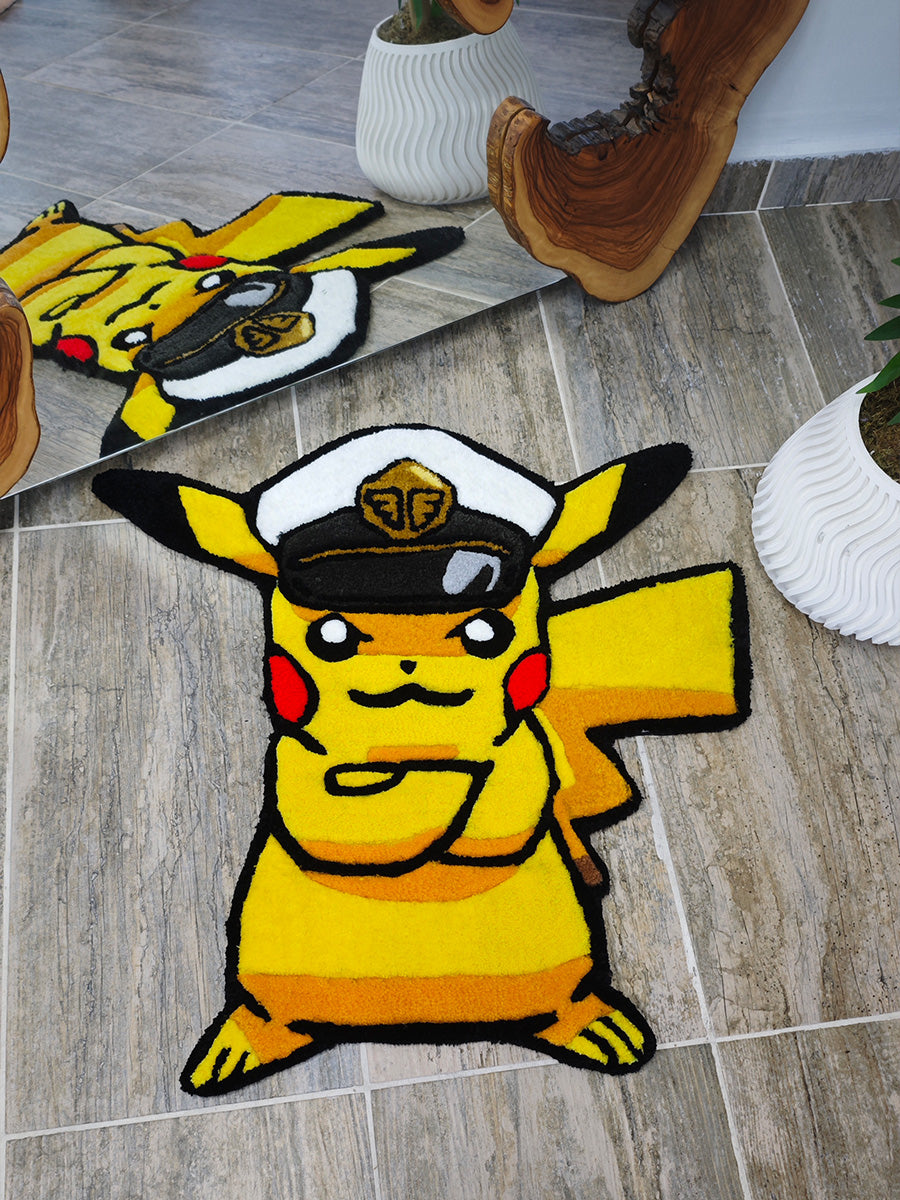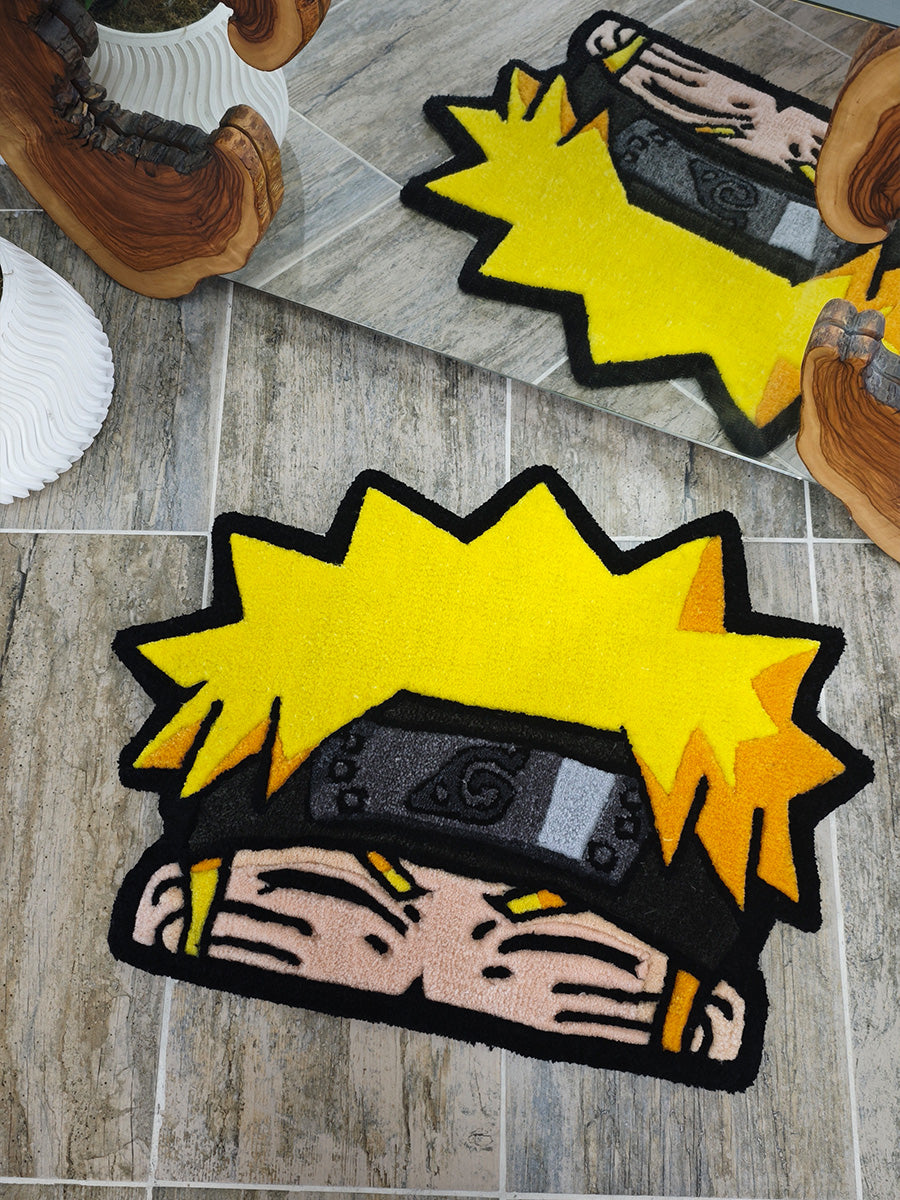
Making one rug a week is a fun hobby. But when you start getting 20 orders a week, it's no longer just a hobby—it's an operation that needs managing.
Scaling your tufting business isn't just about working faster; it's about working smarter. In this guide, we at GG Tufting explore how to transform your studio into a production line and the strategic steps to transition from a hobbyist to a professional brand.
1. The Mindset Shift: Amateur vs. Professional
The first step toward building a brand is changing your perspective on the production process.
| Feature | Hobby Approach | Professional Approach |
|---|---|---|
| Materials | Working with yarn skeins | Yarn cones and wholesale buying |
| Process | One by one (finish one, start another) | Batching (Mass processing) |
| Time | "Whenever it's done" | Optimized minute-by-minute tracking |
| Waste | Not tracked | Minimized cloth/yarn waste |
2. The Batching System
The biggest time-saver in mass production is performing the same task for multiple products back-to-back. Don't finish one rug and then start another; break the process down into stages.
3. Efficient Studio Workflow
Your studio needs a "traffic flow." Raw materials should enter at one end, and finished products should exit at the other.
Projector, primary cloth rolls, and drawing table. This should be a dust-free area.
Frames and yarn feeding system (Yarn Wall). Wall-mounted pegs to ensure your yarn feeds smoothly.
Gluing, drying, and carving. This area generates the most dust and fumes, so it must be well-ventilated.
4. Supply Chain & Cost Management
You can't build a profitable business by buying materials at retail prices. Increasing your profit margins starts with smart purchasing.
Cost Analysis: Retail vs. Wholesale
*Yarn cones aren't just cheaper; they also provide a continuous feed to your tufting gun, preventing constant stops.
5. Product Standardization & Branding
Customers expect consistent quality with every order. "Handmade" shouldn't mean "inconsistent."
- Backing: Use a custom label with your brand's logo or a custom-printed twill tape on the back of every rug.
- Quality Control Checklist: Before packaging, every item must be checked for glue odors, shedding yarn, and surface evenness.
- Inventory Management: Always keep your best-selling colors (like Black, White, and Cream) fully stocked in cones.
Spare parts are a lifesaver. If your tufting gun breaks on your busiest day, production stops. A professional studio must always have a backup gun and replacement scissors/needles on hand.
Turning your hobby into an empire requires patience and strategy.