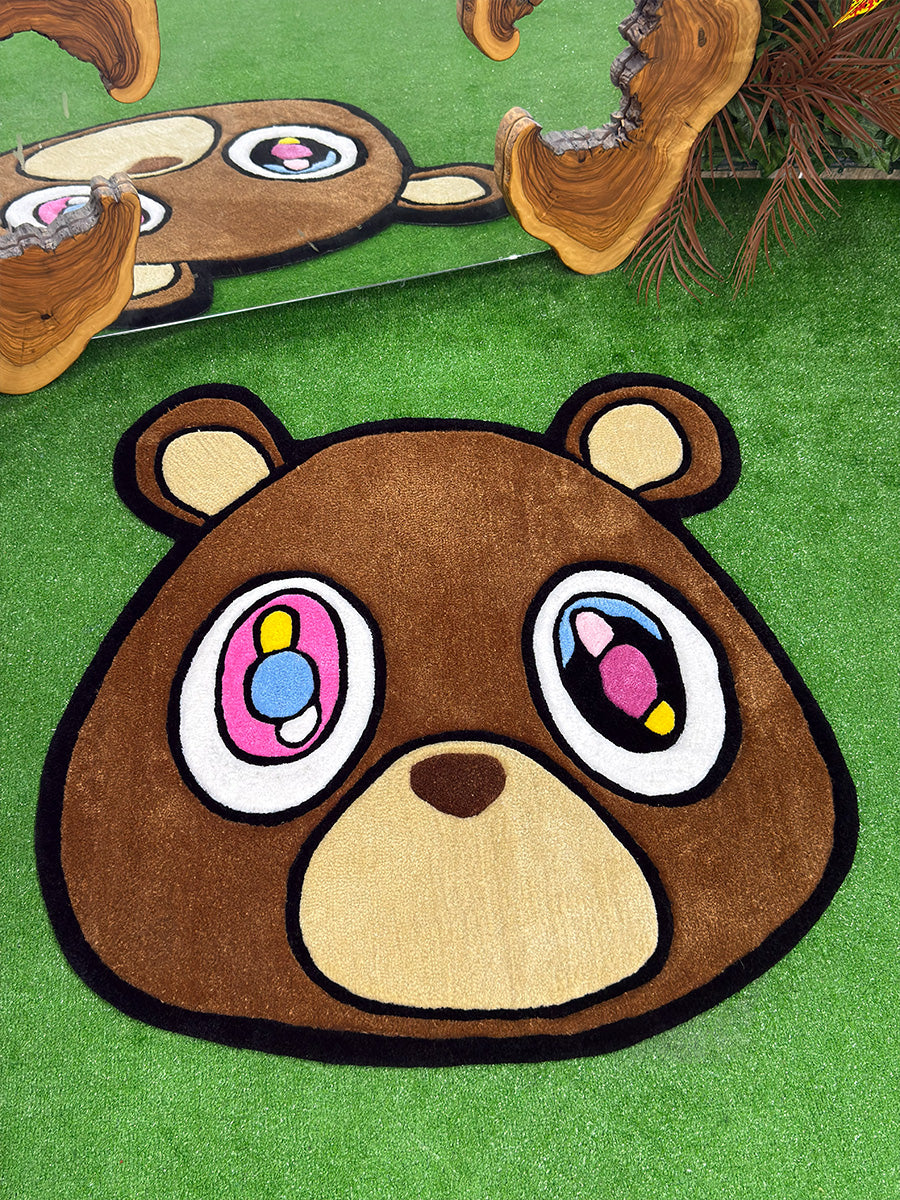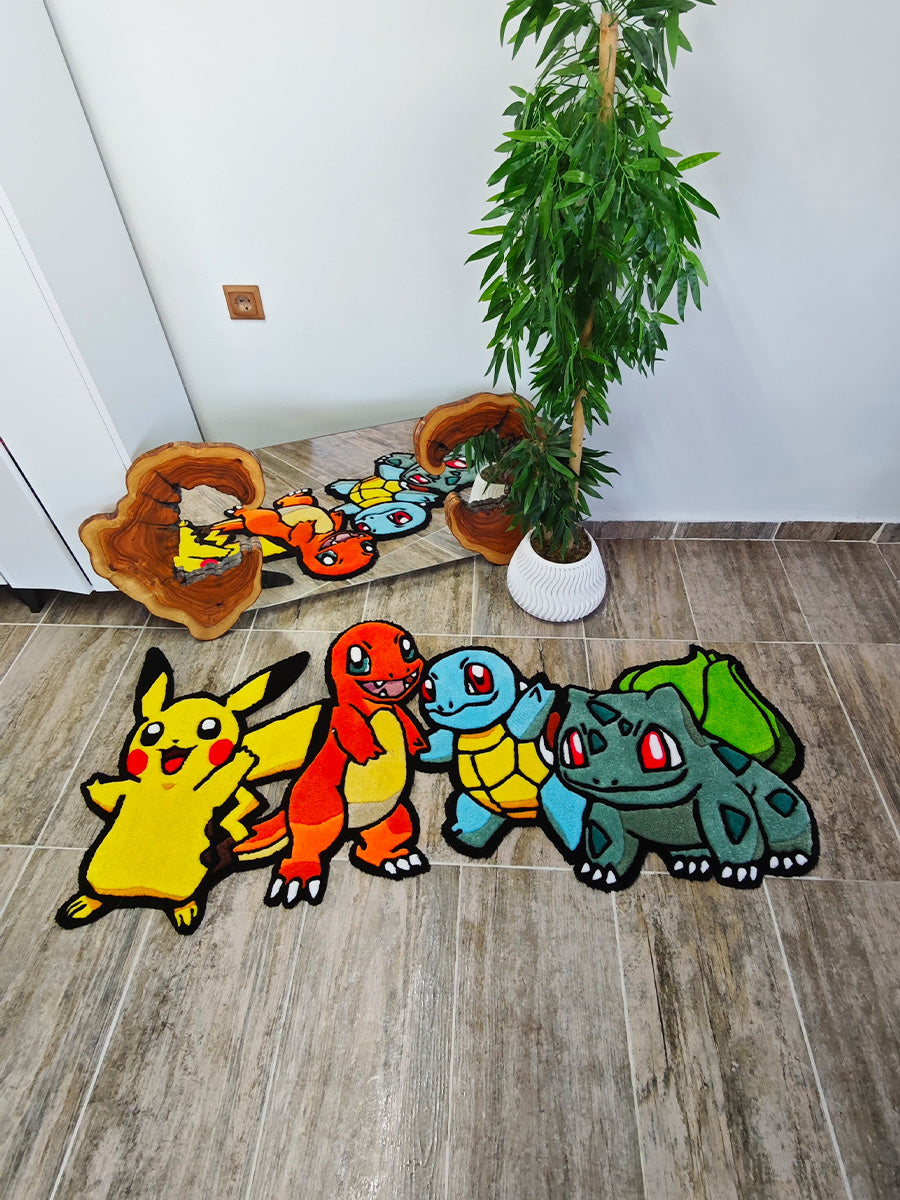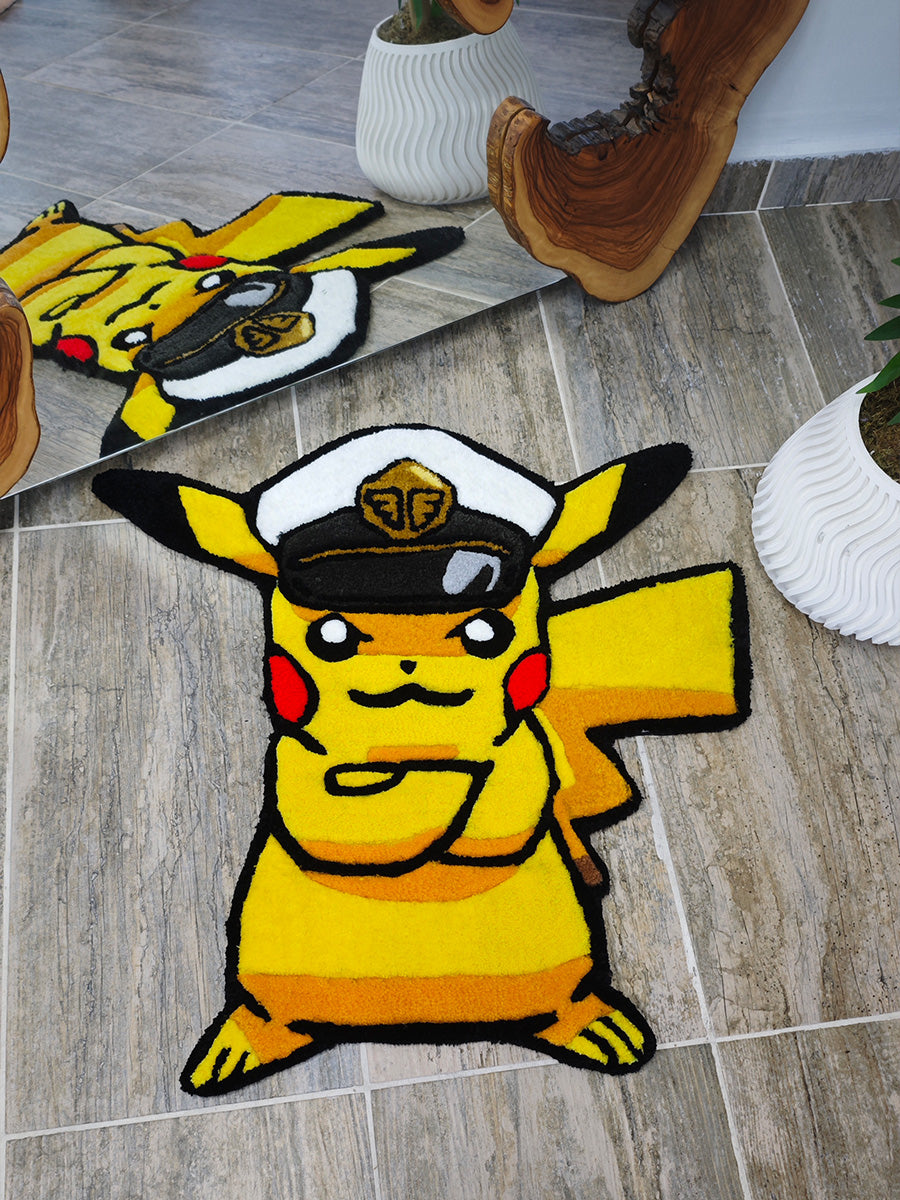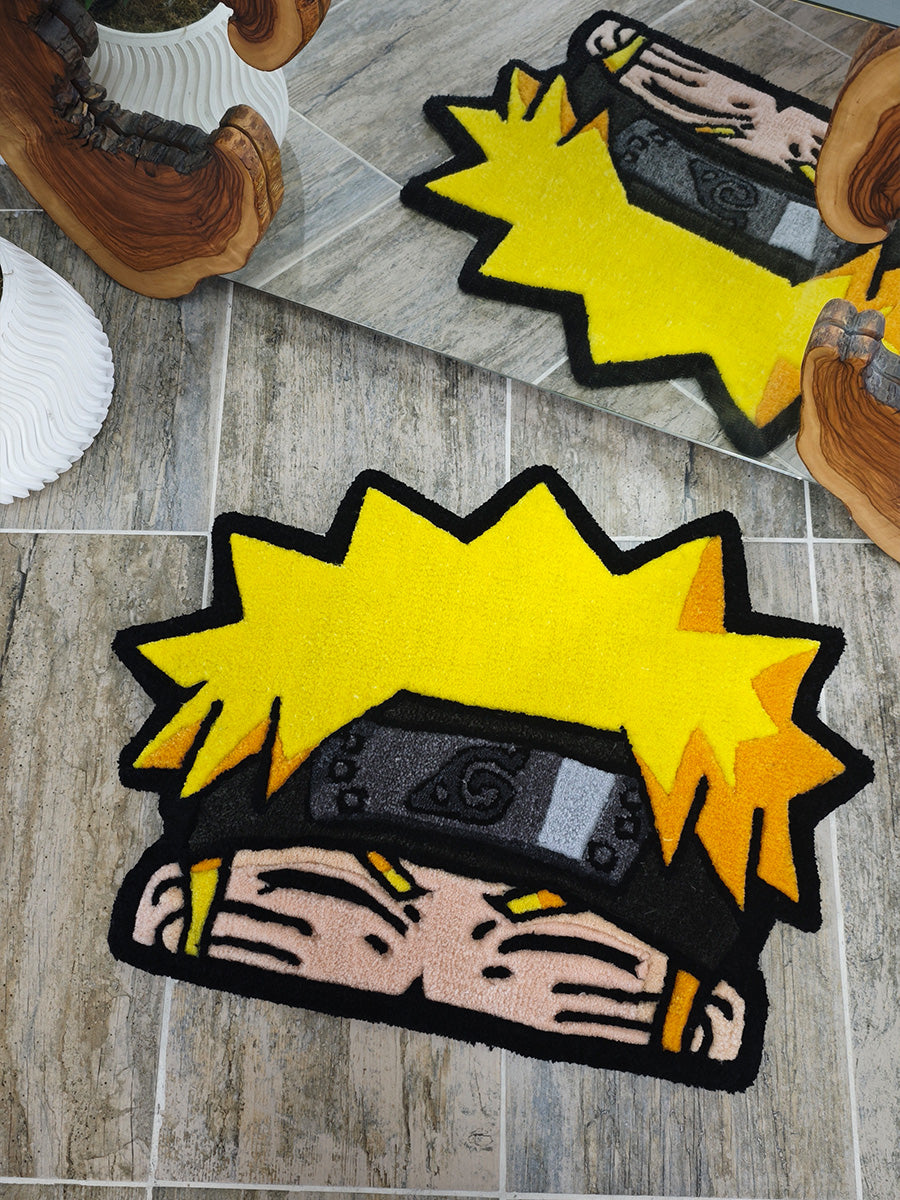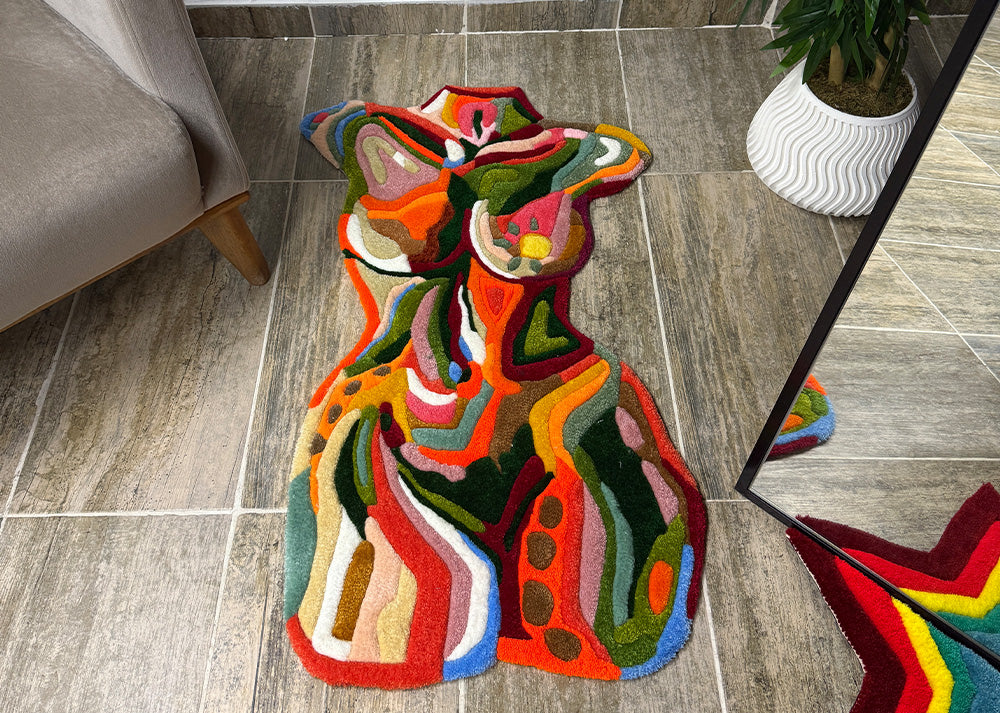
Tufted rugs do more than just add color to a room; they define the acoustics, warmth, and character of the space. Handmade and unique designs transform your living area from a standard catalog house into a personal "living gallery."
In this article, the GG Tufting design team explores advanced placement strategies and material choices for every corner of your home.
1. Living Room: Heart of the Home
The living room is where a tufted rug says, "I'm here!" However, where you place the rug changes how the size of the room is perceived.
Advanced Placement Strategies:- Focal Point: If your furniture is neutral (beige, gray), choose a rug with "art-like" asymmetrical patterns to be the star of the room.
- Layering: Place a smaller, amorphous colorful tufted rug over a large, solid jute or sisal rug. This creates a bohemian and rich texture.
Trend Alert: Layering
The secret to creating depth on the floor.
2. Bedroom: Comfort and Texture
The first thing your feet touch in the morning shouldn't be a cold floor, but a soft tufted rug. Here, texture is more important than pattern.
- Cut Pile Preference: Definitely use "Cut Pile" and high-pile rugs in the bedroom. This provides a hotel-comfort feel.
- The Rule of Three: Instead of placing one giant rug under the bed; place two long "Runners" on the sides and one piece at the foot of the bed. This makes cleaning easier and the space look more dynamic.
- Color Psychology: Instead of vibrant colors, choose "calming" palettes like pastels, earth tones, or cream to contribute to sleep quality.
3. Hallway and Entry: First Impressions
These high-traffic areas are often neglected. However, the key to making narrow spaces look wider is the rug.
In a narrow hallway, use a long "Runner" leaving about 4-6 inches (10-15 cm) of gap at the edges. If the lines in the rug pattern are longitudinal, the hallway will look much longer and infinite.
- Durability is a Must: For entry areas, definitely use 100% Wool or high-quality Acrylic. The "Loop Pile" technique extends life in these areas as it is more resistant to crushing.
- Non-Slip: For safety, a "Latex Backing" or non-slip pad must be applied to the back of the rug.
4. Kids Room: Play Area
Children's rooms are the center of imagination. Instead of standard rectangular rugs, use the freedom of tufting.
- Form Freedom: Design "die-cut" rugs in the shape of a cloud, a rocket, or their favorite animal.
- Tactile Play: Create surfaces that develop the child's sense of touch by creating areas of different heights (3D Carving) on the rug.
- Material Warning: Hypoallergenic and dust-repellent yarns (such as quality cotton or special acrylic) should be preferred for children's rooms.
5. Floor to Wall: Acoustic Art
Tufting projects aren't just for the floor. The "Wall Hanging" trend has become indispensable for modern homes.
- Soundproofing: Tufted panels are excellent sound absorbers. Used to soften sound in echoey empty rooms or Home Offices.
- Gallery Wall: Instead of one large piece, create a collage by hanging 3-4 smaller tufted pieces of different sizes and shapes together.
6. Kitchen and Bath: Wet Area Solutions
Using rugs in damp areas is risky but not impossible. Proper material selection is vital.
100% Acrylic or Cotton Yarn. Does not absorb water or dries quickly.
100% Wool Yarn. Traps moisture, does not dry, and causes odor/mildew over time.
*Water-resistant glue must be used as backing for bath mats.
Tufted rugs can be the complementary piece of decor in every room.