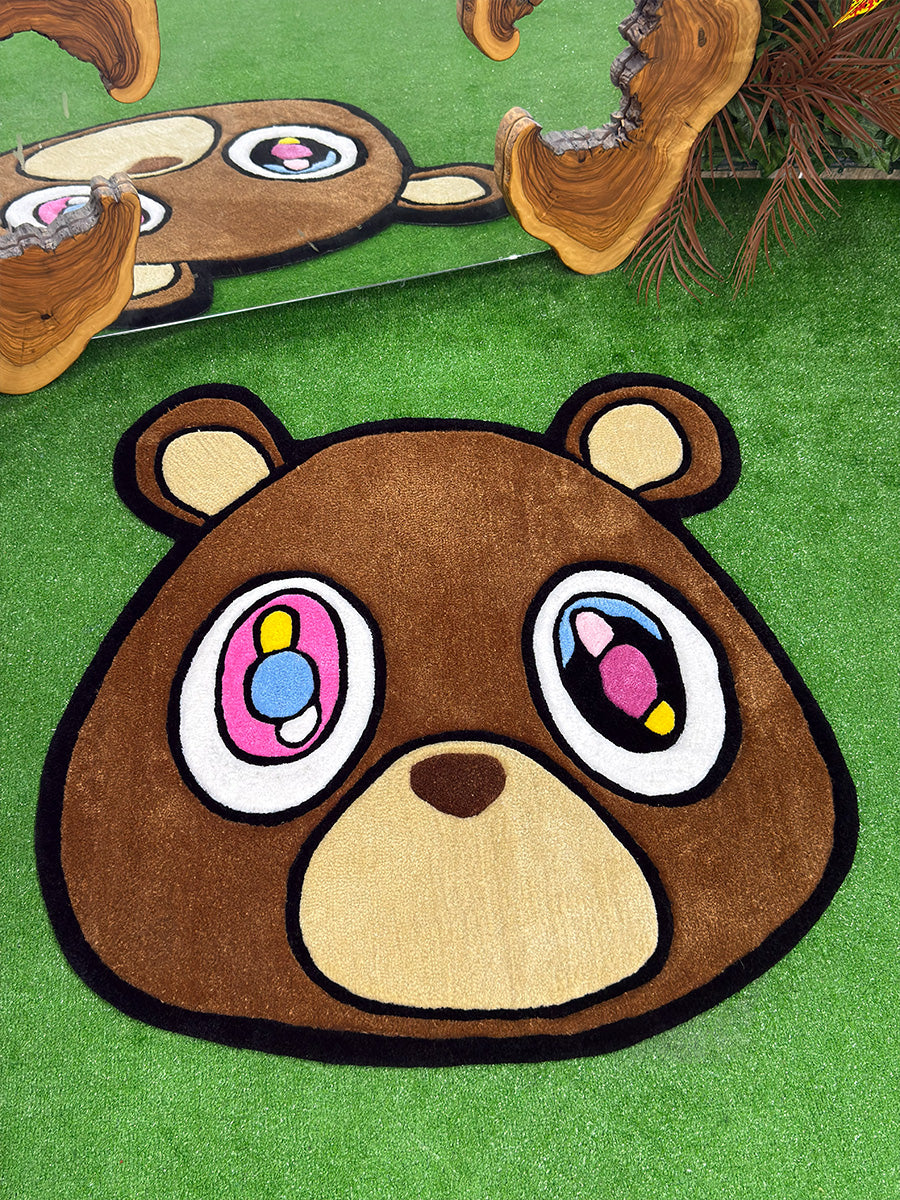
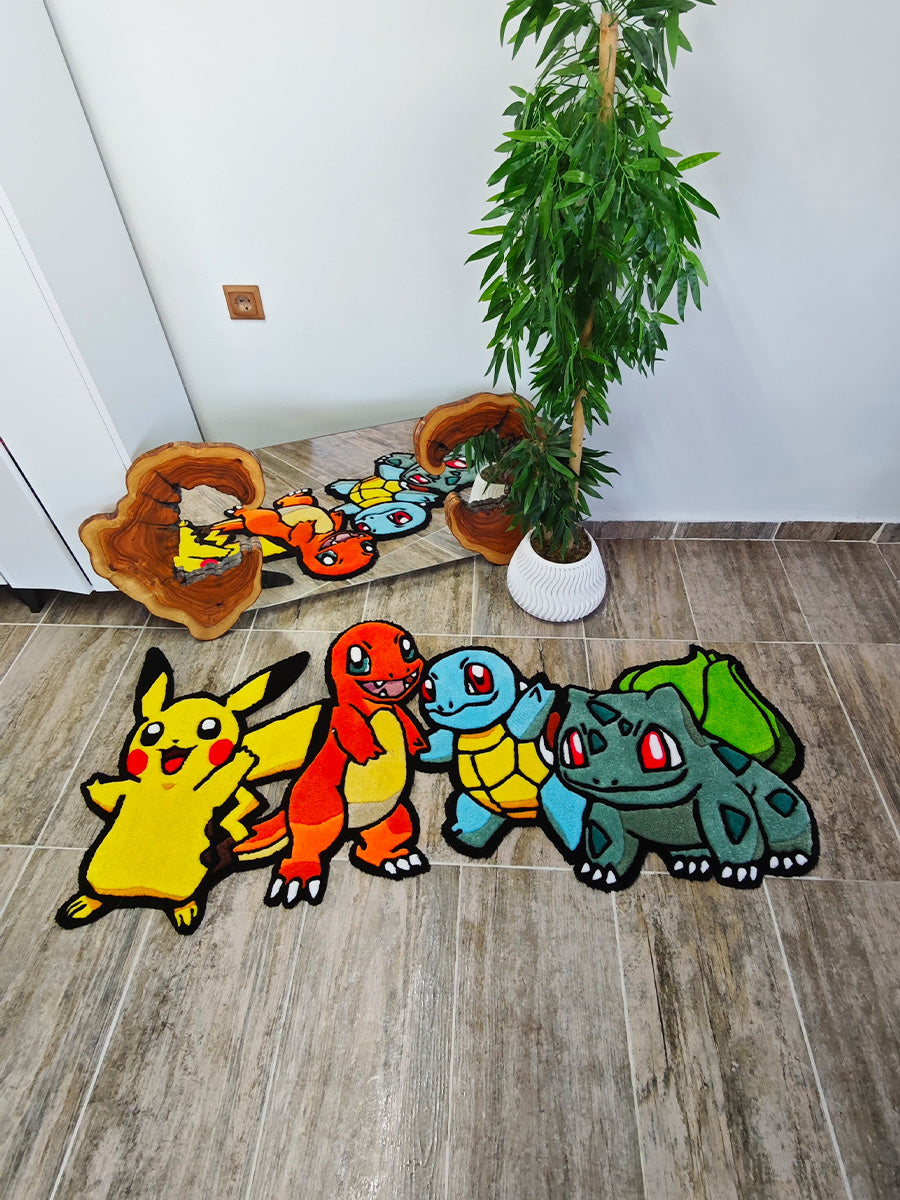
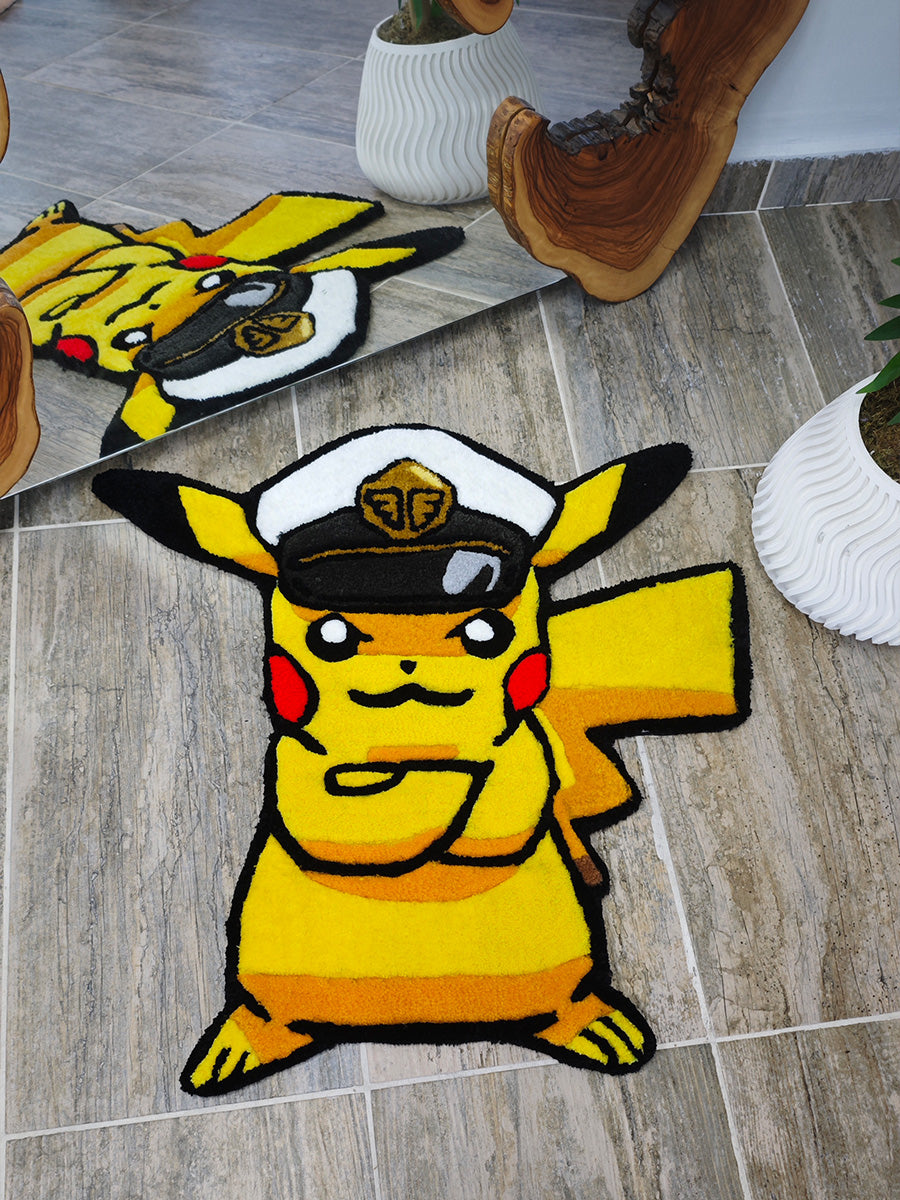
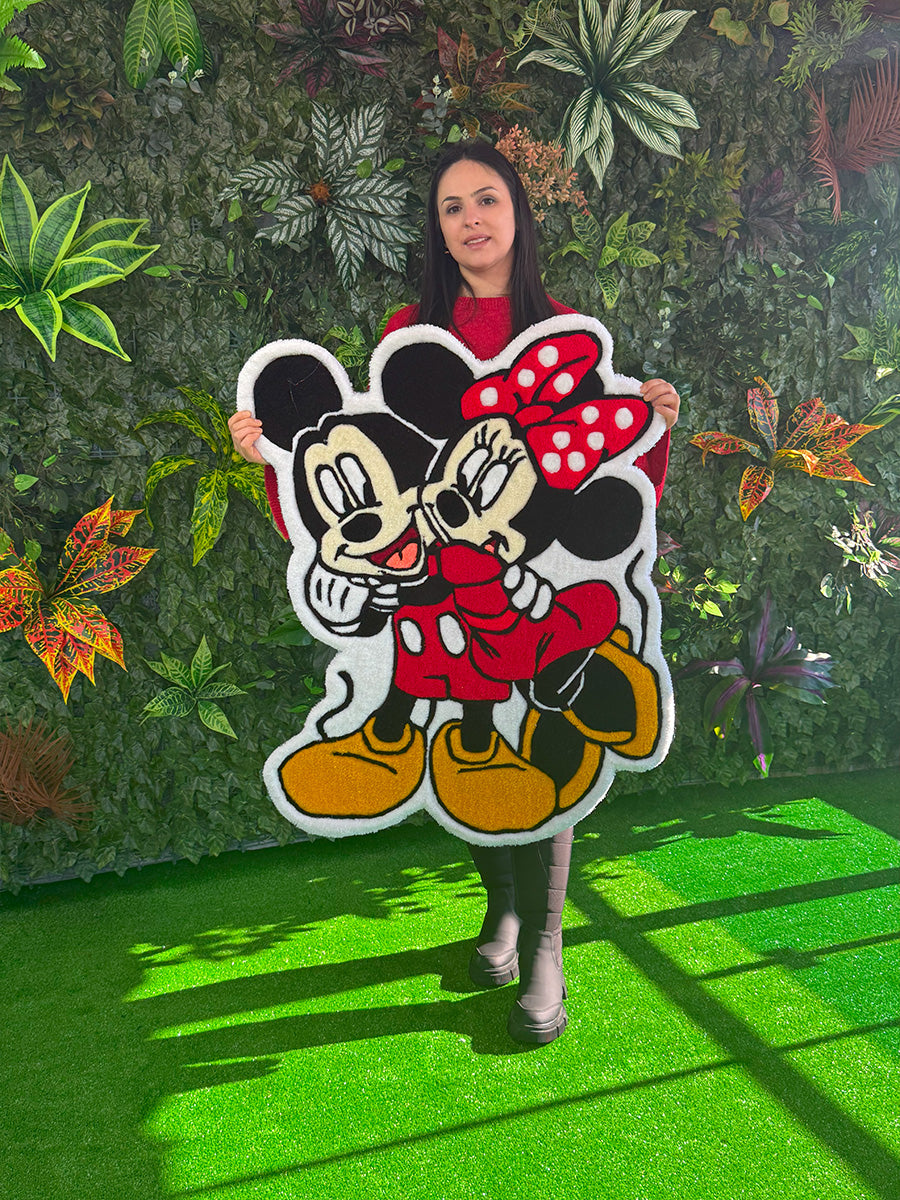
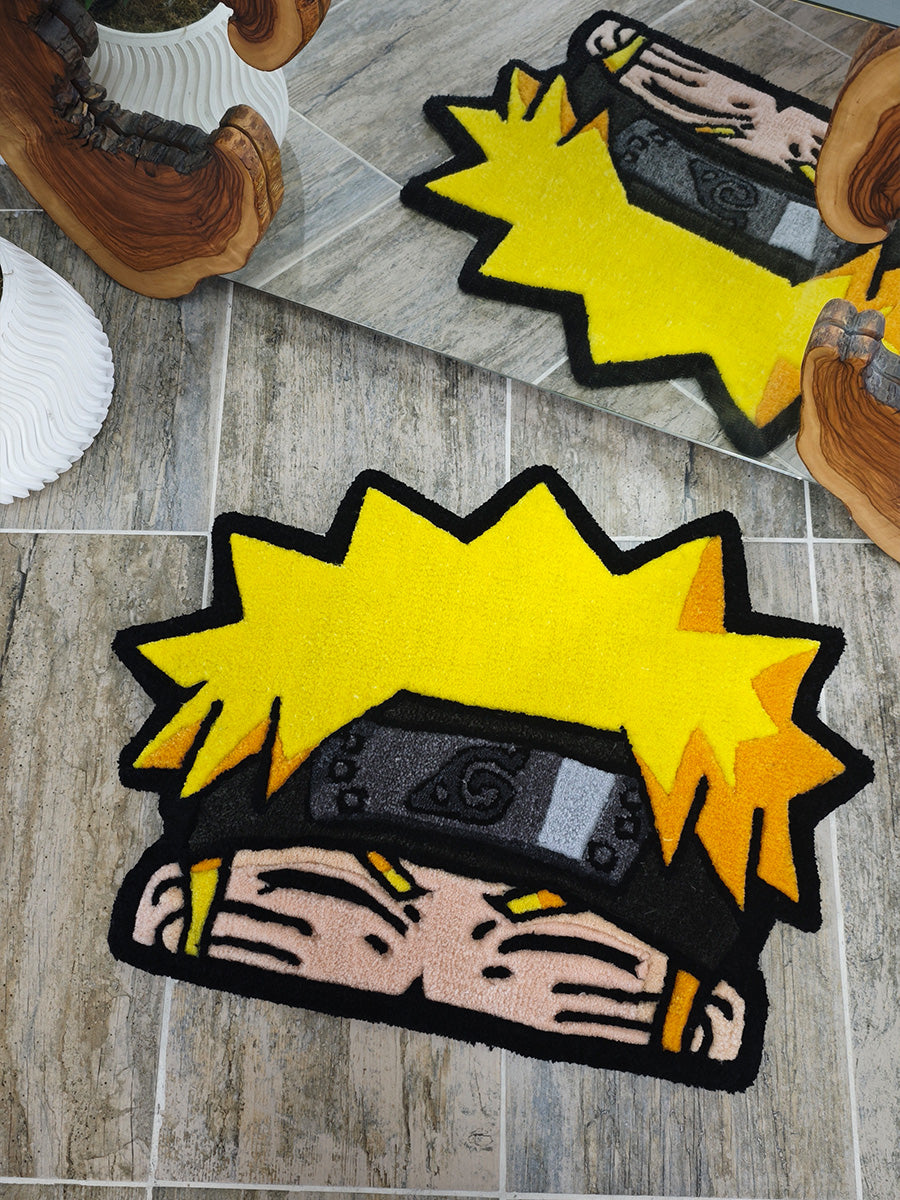
The clearest sign of mastering the art of tufting is moving beyond flat blocks of color to create soft, painterly transitions known as gradients. A sunset view, a realistic portrait, or 3D depth perception... All of these come to life with this technique we call "Ombre" or "Gradient."
But since yarn doesn't mix like watercolors, how do we achieve this transition? Here are 3 professional methods for creating smooth color gradients with GG Tufting expertise.
1 Strand Blending
This is the method that provides the cleanest and "smoothest" transition. Tufting gun needles are generally wide enough to accommodate 2 or even 3 strands of yarn simultaneously. We use this advantage to our benefit.
2 Other Professional Techniques
If you only have a single strand, you create a transition by interlocking the color boundaries (zigzagging).
- Interlock the colors like fingers clasping.
- Slightly open up the line spacing at the boundary.
Used for a more artistic and textured look. Random dots are placed like in Impressionist paintings.
- Tuft light-colored dots into the dark area.
- Scatter dark-colored dots into the light area.
You can't fully see the gradient effect while tufting. The magic happens when you take the rug off the frame and shear it with clippers. When you smoothly cut the yarn tips, the fibers open up and blend together.
If you tuft the yarns too densely in the transition zone, they will compress and won't have room to blend. Move your hand slightly faster in the gradient area to leave "breathing room" for the yarns to mix.
Color gradients are the key technique to take your tufted rugs to the next level.