Tufting Blog

Rug vs. Carpet: What's the Difference? | The Ultimate Tufting Guide
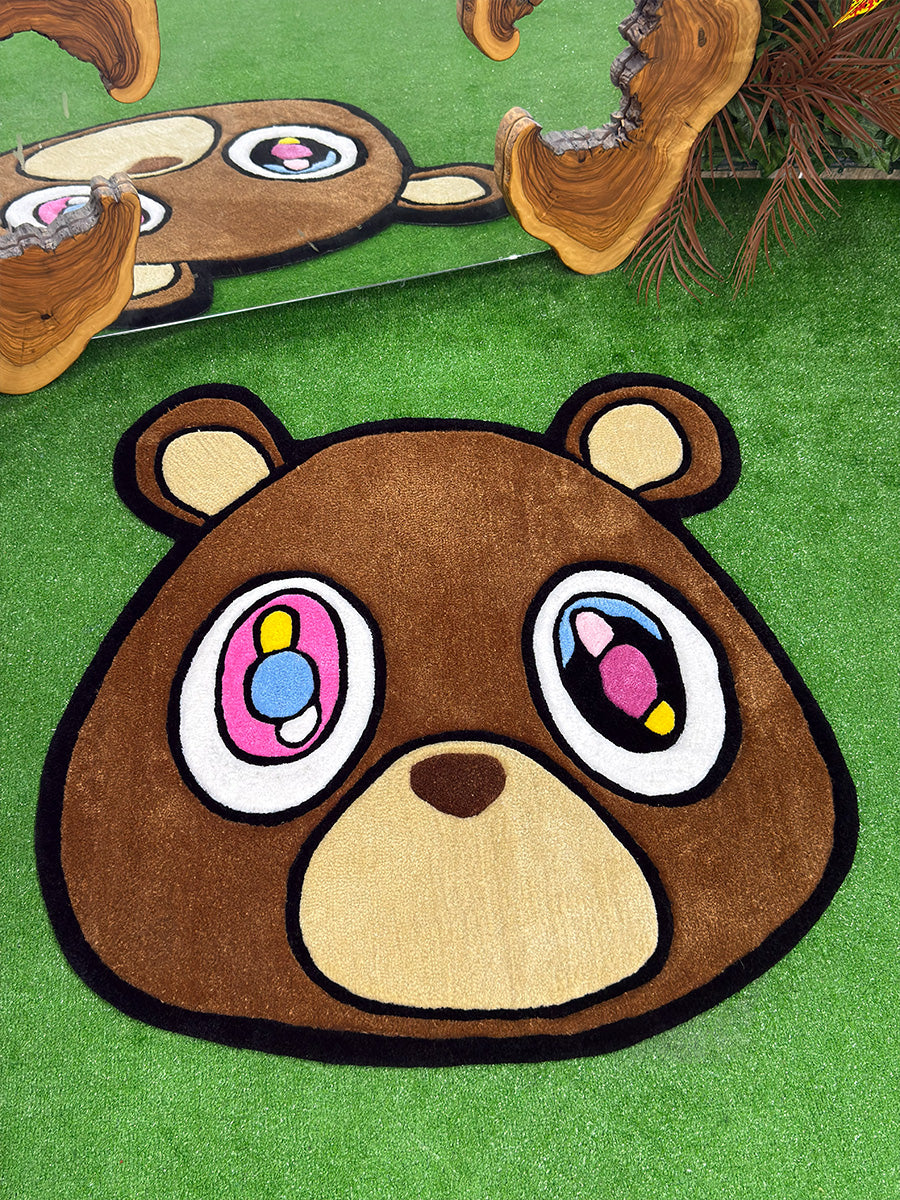
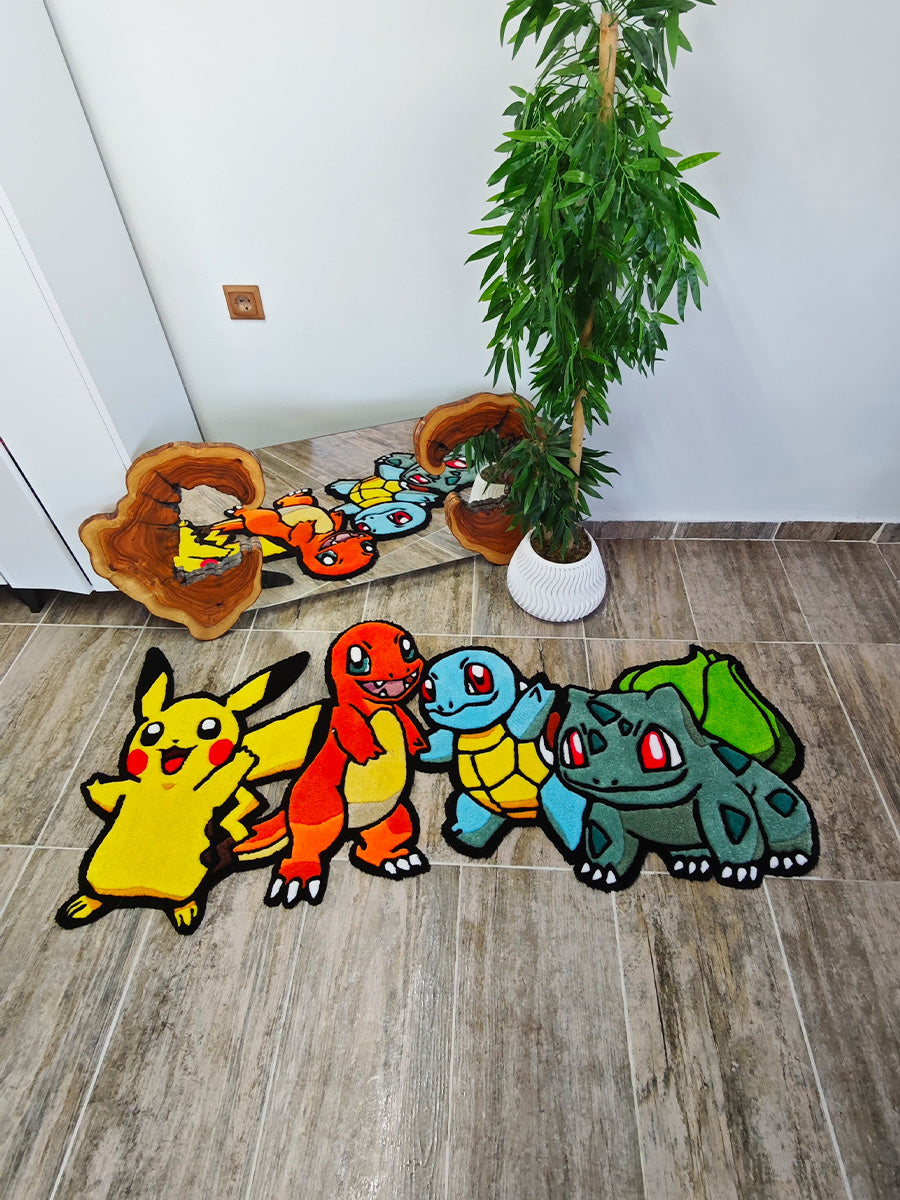
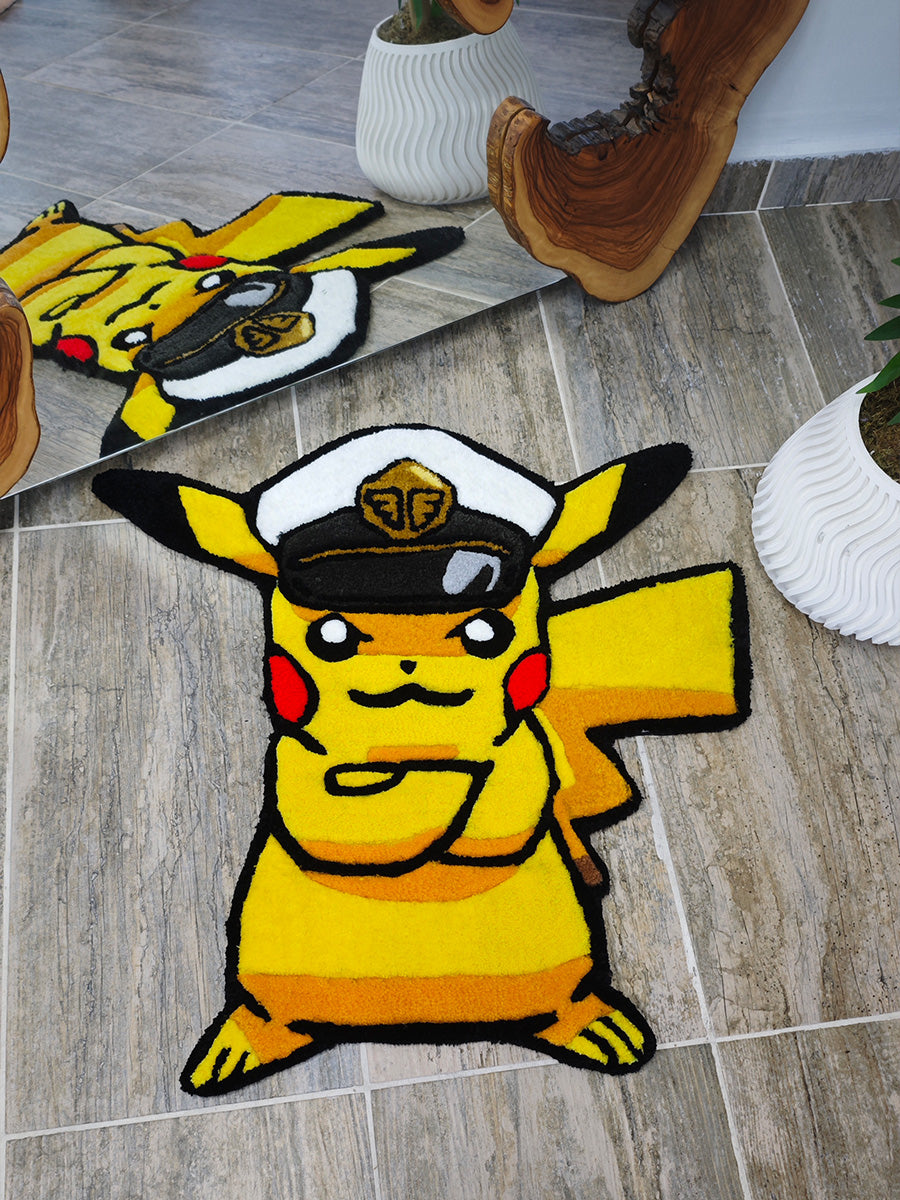
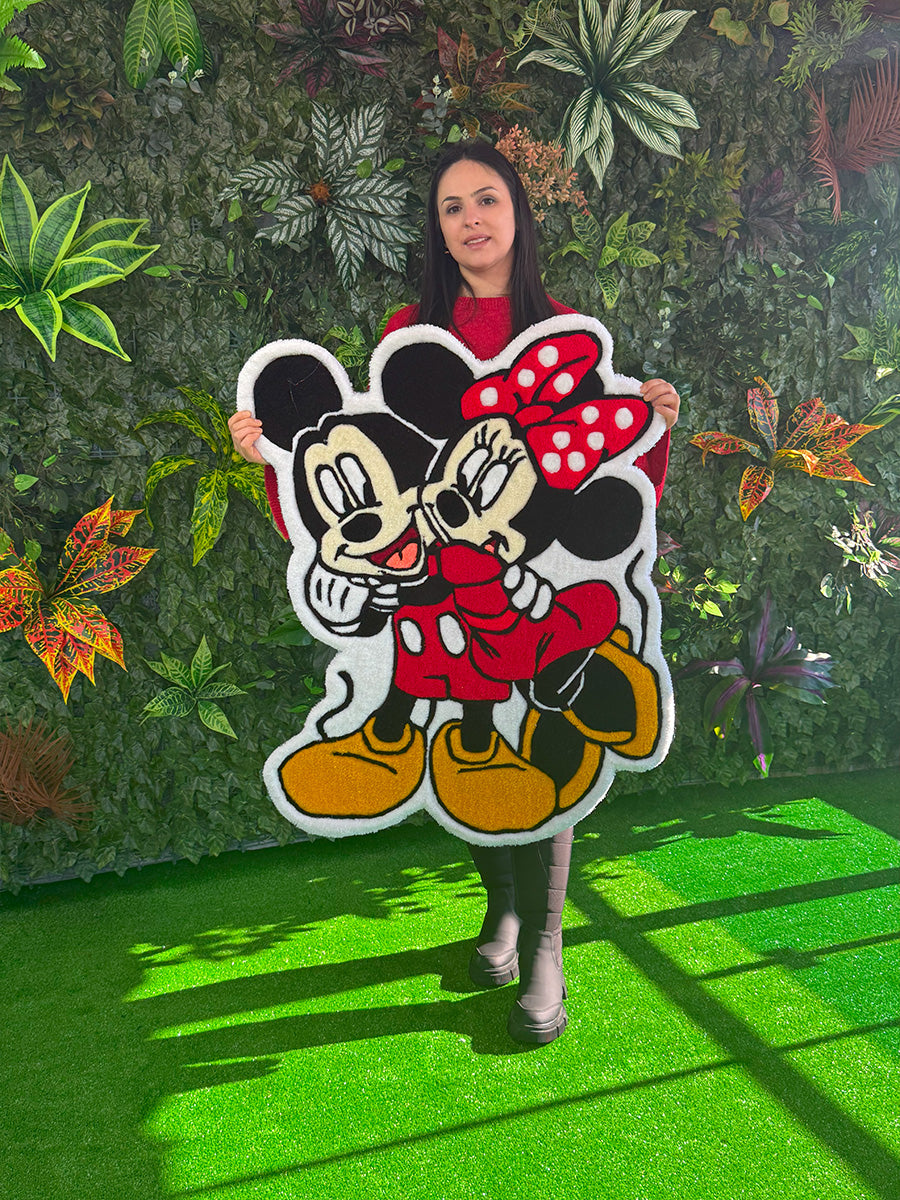
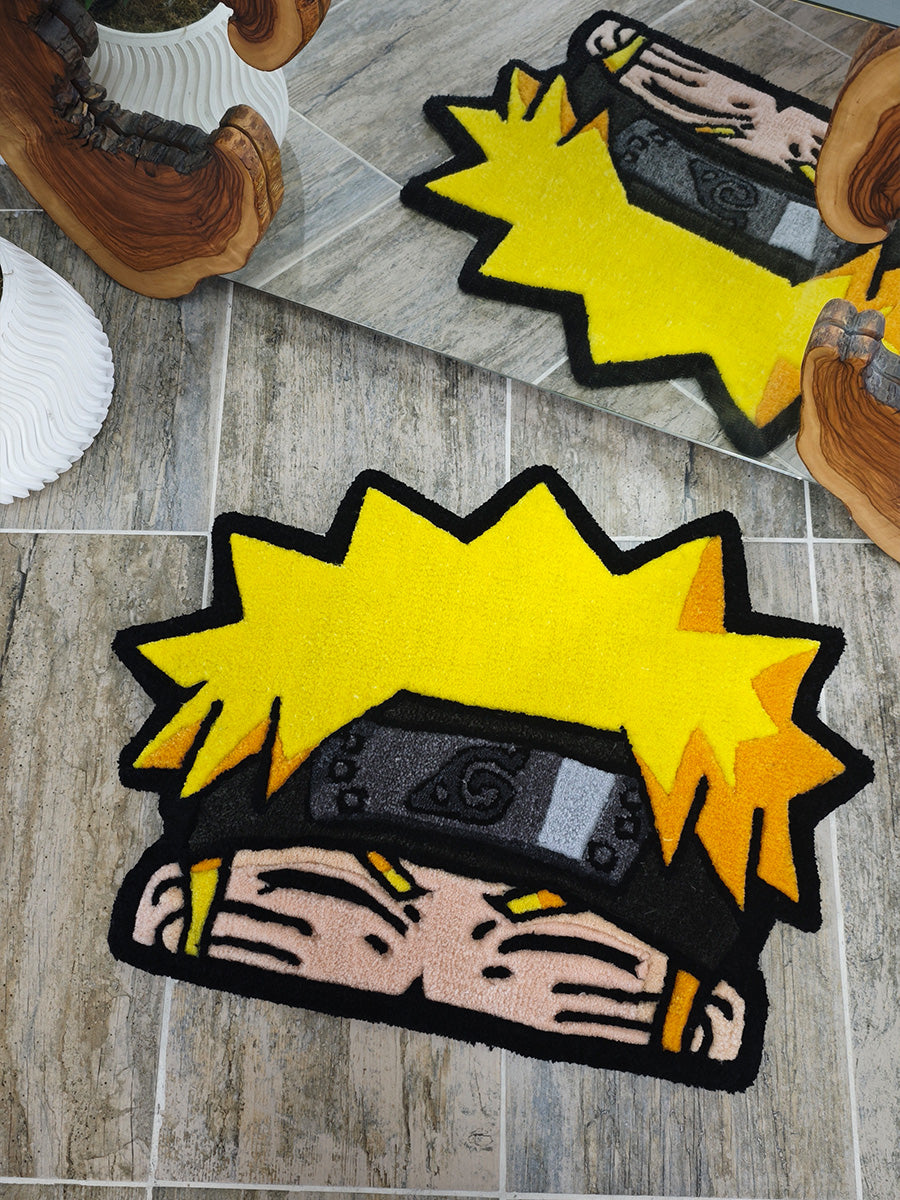
You've seen them scrolling through Instagram, Pinterest, or TikTok—those vibrant, oddly shaped, and incredibly textured floor pieces. But in the world of interior design, terms often get thrown around loosely. Is it a carpet? Is it a rug? While they might seem similar, the distinction is crucial for modern decor. At GG Tufting, we are here to clear up the confusion and explain why "Area Rugs"—specifically custom tufted ones—are the ultimate game-changer for your living space. 📖 1. Defining the Term Rug /rʌɡ/ • (noun) CONTEXT: Interior Design & Decor.DEFINITION: A floor covering of thick woven material or animal skin, typically not extending over the entire floor, used for decoration and comfort. In everyday conversation, "rug" and "carpet" are often used interchangeably. However, when you are designing a room or shopping for decor, knowing the technical difference will save you a lot of headaches. 🆚 2. Rug vs. Carpet: What's the Difference? If you walk into a flooring store in the US and ask for "carpet," you might be led to the section with huge rolls of material meant to be glued down. 🖼️ The Rug (Area Rug) Covers only a portion of the floor. It is movable, decorative, and adds "character" to a specific zone. Tufted rugs, accent pieces, and runners fall into this category. 🏗️ The Carpet (Wall-to-Wall) Installed wall-to-wall, tacked down, and covers the entire subfloor. It is a permanent fixture, often chosen for insulation rather than artistic expression. 🌍 3. Why Are "Tufted Rugs" Trending? The explosion of the "Tufting" trend has revitalized the concept of the rug. It's no longer just a rectangle you put under a coffee table; it's a form of self-expression. Here is why modern homes are opting for statement rugs over traditional carpets: 🎨 Modern Aesthetics: Moving away from traditional patterns to abstract, bold, and custom graphics. 🧩 Zoning Spaces: Perfect for open-concept lofts or apartments to visually separate the dining area from the lounge. 🖼️ Floor Art: Many tufted rugs are so intricate they are often hung on walls as tapestry art or used as tabletop decor. 🚀 4. The New Era: Custom Tufting Breaking the Boundaries Historically, rugs were expected to be symmetrical—rectangular, square, or round. Tufting Rugs shattered these rules. Today, your rug can be shaped like a flower, a retro wavy blob, your favorite anime character, or even a melting clock. This freedom of shape and design is what makes a "Rug" the centerpiece of a modern American home, rather than just a background element. Style Your Space, Your Way Whether you call it an area rug, a throw rug, or an accent piece, the goal is the same: to bring warmth and personality to your room. In modern decor, floors aren't just for walking on; they are a canvas for design. Looking for a piece that speaks to your style? Explore our unique, handcrafted collections at GG Tufting and bring world-class trends right to your doorstep.
Learn more
What Does "Tufted" Mean?
You’ve probably seen the word "Tufted" on rug labels, in furniture stores, or while flipping through modern home decor magazines. But what exactly does it mean when a product is tufted? Is it a type of fabric, or the name of a pattern? Actually, it’s neither. Tufting is a "production technique." At GG Tufting, this method forms the foundation of our handmade rugs. Let's break down this concept in the simplest way possible, without the technical jargon. 📚 1. The Core Meaning: What is a Tuft? "Tuft" = A bunch or cluster of threads ⬇ "Tufted": The process of inserting clusters of yarn through a backing material. So, when we talk about a "tufted" rug, we are referring to a structure where yarns are punched through a backing fabric to create clusters on the surface. ⚙️ 2. How is Tufting Done? Based on a "punching" mechanism rather than tying knots, this method is the foundation of modern rug making. Let’s visualize the process in 3 steps: 🪡 Step 1: Punching The needle carries the yarn, pierces the stretched backing fabric, and passes through to the other side. ↩️ Step 2: Pulling Back The needle pulls back, leaving the yarn on the other side of the fabric in a "U" shape (a loop). ✂️ Step 3: Cutting (Optional) If a velvety surface is desired, the loop is instantly cut by a blade. (This is called Cut Pile). 🆚 3. Tufted Rugs vs. Woven Rugs How can you tell if a rug is tufted or traditionally woven? Feature Traditional Woven Rug Tufted Rug Structural Logic KnottingYarns are knotted to the warp and weft. The rug holds itself together. Punching + GluingYarn is punched into the fabric, and the back is secured with rug adhesive. Backing The pattern is identical on the back (reversible). The pattern is not visible on the back; it has a protective lining or secondary fabric. Production Speed Can take months or years. Completed in a matter of days. Design Freedom Geometric and limited. Limitless (like painting a picture). 🌟 4. Why Choose "Tufted"? Today, 90% of those fluffy, soft, and colorful rugs you see in the design world are produced using the tufting technique. The reasons are simple: ☁️ Softness Because the yarns stand upright and are densely packed, they provide an extra plush feeling underfoot. 🎨 Color Clarity Since there are no knots, colors don't bleed into each other, resulting in razor-sharp patterns. 💪 Durability Thanks to the special adhesive coating on the back, the risk of yarns unraveling is minimal. The Language of Modern Decor "Tufted" means modern, fast, free, and comfortable. It is the technical name for stepping away from the heaviness of traditional rugs and adding art and softness to your home. If you want to see the most special pieces produced with this technique—a true blend of handcraft and art—you can explore the GG Tufting collections. We don't just tie yarns; we craft them like a painting.
Learn more
What Fabric is Best for Tufting?
What a canvas is to a painter, fabric is to a tufting artist. However, a tufting fabric's job is much harder than that of a standard canvas. It has to withstand a powerful gun striking 40 to 50 times a second, piercing through the material, and securely feeding yarn into it. Trying to tuft on bed sheets, curtains, or standard muslin will unfortunately end in frustration. At GG Tufting, we've broken down the most crucial building block that determines the quality of our rugs: "Choosing the Right Fabric." 🏆 1. The Ideal Choice: Primary Tufting Cloth There is only one type of fabric used by professionals worldwide that guarantees 100% success. Usually available in gray or white, this fabric has one distinct feature: Yellow Guide Lines. Polyester-Cotton Blend PROFESSIONAL CHOICE Material: 65% Polyester, 35% Cotton Durability: Will not tear from the punch of the gun. Flexibility: The hole opens when the needle enters and closes when it exits. Guide: Yellow lines help you keep your design perfectly aligned. Jute (Burlap) HARD FOR BEGINNERS Material: Natural plant fiber Durability: Low; tears very easily. Issue: Struggles to hold yarn, making detailed designs almost impossible. Advantage: Very cheap, best used only for practice. 🧬 2. Anatomy of the Right Fabric What Makes a Fabric Suitable for Tufting? 🕸️ Loose Weave Must have enough space for the needle to punch in and out smoothly. 💪 Tear Resistance Must withstand the power of the gun and the extreme tension of the frame. 🔄 Memory Feature Must tightly grip and hold the yarn once the needle pulls out. ⚠️ 3. Fabrics You Should Never Use The idea of "repurposing fabrics from around the house" in tufting usually ends with a shredded canvas. Fabric Type Why Isn't It Suitable? Muslin / Raw Cotton The weave is too tight. The needle forces its way in, ripping the fabric and leaving a permanent hole. Cross-Stitch / Aida Cloth It has holes, but the threads are too weak. The high speed of the tufting gun destroys it instantly. Denim or Canvas Too stiff. The gun's needle struggles, the machine overheats, and the yarn won't push through the fabric. 🛡️ 4. The Back of the Rug: Final Backing When the tufting process is complete, the back of the rug is left with a messy look of yarn ends and a solid layer of glue. To cover this, a Secondary Backing is used. Felt: Budget-friendly and soft. Non-Slip Backing: Fabric equipped with tiny rubber grips. It prevents the rug from sliding on the floor. At GG Tufting, we almost exclusively use non-slip backing for our products. 💡 GG Tufting Pro Tip: When stretching your fabric on the frame, it needs to be tight enough to sound like a drum. If the fabric is loose, the gun will bounce and cut through it. Professional tufting fabrics are specifically engineered to handle this high tension. A Solid Foundation is Key What a foundation is to a building, the "Primary Tufting Cloth" is to a tufted rug. Choosing the wrong fabric will cause your hard work, yarn, and time to end up in the trash. If you want to skip the technical details, material sourcing, and the frustrating trial-and-error process, and simply own flawless rugs crafted with the highest quality yarn on the perfect fabric, explore the GG Tufting collections. We don't leave quality to chance.
Learn more
What is a Tufted Rug?
What's the secret behind those colorful, fluffy, and uniquely designed rugs you constantly see on social media and in home decor magazines? The answer: The Tufting Technique. Breaking away from the heavy and traditional vibe of classic rugs, tufted rugs—often called "Art on the Floor"—are the new definition of freedom in home decoration. But what sets them apart from the rest, and what makes them so special and durable? At GG Tufting, we are diving deep into the world of these handcrafted, unique pieces. 🧶 1. What Does "Tufted Rug" Mean? Technical Definition: A tufted rug is created by using a special tufting gun to shoot (or punch) yarn through a pre-woven primary backing fabric to form loops or cut piles. In other words, these rugs aren't "knotted" like traditional carpets. Instead, the yarn is applied to the fabric much like a painter applying strokes to a canvas. This method offers unlimited freedom in patterns and colors. 🧬 2. The Anatomy of a Tufted Rug From the outside, you only see the soft surface, but these rugs are built with 4 solid layers. Here are the layers that define their quality: 1. Surface: Acrylic or Wool Yarn (The Design) 2. Skeleton: Primary Backing Fabric 3. Binder: Industrial Latex Adhesive 4. Base: Protective Final Backing (Anti-Slip & Aesthetics) 🆚 3. Handmade Tufted vs. Machine-Made Rugs Why should you choose a handmade tufted rug over a standard, mass-produced one from a big-box store? Feature Handmade Tufted Rug Mass-Produced Machine Rug Originality ✔ Each piece is unique and custom-designed. ✘ Thousands of identical copies are made. Texture & Feel ✔ Dense, plush, and fluffy. ✘ Usually thin and stiff. Color Vibrancy ✔ Yarn colors are highly vibrant. ✘ Colors are dull and standard. Size & Shape ✔ Can be any shape (Irregular, Oval, etc.). ✘ Restricted to rectangles or squares. 🌟 4. Why Choose a Tufted Rug? 🎨 Limitless Design An anime character, your company's logo, or even a drawing made by your child... With the tufting technique, any visual can be transformed into a rug. ☁️ Comfortable Texture Because the "Cut Pile" technique is generally used, the surface feels like velvet. Walking on it barefoot is an absolute joy. 💪 Durability Thanks to the latex coating on the back, the yarn won't pull out or unravel. With proper care, it will hold its shape for years. ⚙️ 5. How Is It Made? The birth journey of a rug in the GG Tufting studio goes like this: 1DrawingThe design is traced onto the fabric. 2TuftingYarn is punched in using a tufting gun. 3GluingThe back is secured with adhesive. 4CarvingThe surface is smoothed and detailed. Put Your Signature on Your Home A tufted rug is more than just a floor covering; it's a decor piece that reflects the character of your living space. If you want to step away from the ordinary and add a custom touch to your home, you're in the right place. To explore unique designs that blend art and comfort, check out the GG Tufting collections and get the rug of your dreams today.
Learn moreWhich is the Most Practical Rug? A Guide to Everyday Use
When you walk into a rug store or browse online, the first things that catch your eye are usually the pattern and colors. However, that high-pile, cream-colored rug you "fell in love with" can quickly turn into a cleaning nightmare if it ends up in a busy living room with kids and pets. The concept of a "practical rug" doesn't change from person to person; it changes based on materials and lifestyle. At GG Tufting, we've put together a comprehensive guide to help you choose a rug that isn't just stylish, but also makes your everyday life easier. 🔎 1. What Makes a Rug "Practical"? The most expensive rug isn't necessarily the most practical one. Practicality is built on three main pillars: 🧹 Ease of Cleaning Its ability to resist stains and how easily it vacuums. The smoother and less porous the yarn, the harder it is for dirt to cling to it. 👣 Traffic Durability Does it crush and flatten out when stepped on, or does it bounce back to its original shape? This is crucial, especially in high-traffic areas like hallways. ☁️ Comfort and Insulation Practicality isn't just about cleaning; it's also about the plushness you feel underfoot and how well it insulates against cold floors. 🧵 2. Which Yarn is the Most Practical? The DNA of a rug is its yarn. Here is the "practicality report card" for popular materials: Material Stain Resistance Durability Review Acrylic ★★★★☆ ★★★★☆ The closest synthetic fiber to wool. It's stain-resistant, holds vibrant colors, and is easy to clean. The absolute champion of Price/Performance. Wool ★★★★★ ★★★★★ Naturally dirt-repellent. The most resistant material to crushing, but it requires careful maintenance and comes at a premium price. Polyester ★★★☆☆ ★★★☆☆ Very shiny and soft but crushes (mats down) quickly. Suitable for low-traffic rooms; risky for a busy living room. Polypropylene (Olefin) ★★★★★ ★★☆☆☆ Practically stain-proof (it's plastic-based) but lacks a comfortable feel. Generally recommended for outdoor patios or kitchens. ✂️ 3. Cut Pile or Loop Pile? In tufted rugs, the weaving technique directly affects how you clean it. Cut Pile The yarn ends are cut, making it velvety and soft. Dust can settle between the yarns, but it comes right out with a good vacuum. Ideal for ultimate home comfort. Loop Pile The yarns are left uncut, forming loops like a knit. Dirt stays on the surface and doesn't penetrate deeply. However, there is a risk of snagging on pet claws. 🏠 4. Which Rug for Which Room? 🛋️ Living Room and Family Room High foot traffic. Acrylic or Wool blends with a medium pile height (10-12mm / approx. 0.5 inches) are ideal. Avoid solid, very light colors. 🛏️ Bedroom Comfort is the priority here. Soft-textured (Cut Pile), high-pile, and shaggy-style rugs are very practical because foot traffic is low. 🍽️ Kitchen and Hallways High risk of spills and stains. Low-pile, non-slip backing, and washable (or easily wipeable) rugs are lifesavers. 💡 Machine-Made vs. Handmade Tufted Rugs? Machine-made rugs are standard and generally thin. Handmade tufted rugs, on the other hand, have a much denser and more substantial structure. Because the yarn density (face weight) is higher, handmade rugs are much more resistant to crushing and look significantly richer. Summary: Who is the Winner? If you're saying, "I want it to be soft, easy to clean, and budget-friendly," then a medium-pile Tufted Rug made with Acrylic yarn is the most practical choice for modern homes. If you're looking for custom-designed rugs that perfectly fit your home's needs, resist stains, and hold their shape for years, browse the GG Tufting collections and enjoy comfort without compromising on aesthetics.
Learn more
What is Tufting Art? The Modern Way to Paint with Yarn
When we think of art, oil paintings on canvas or marble sculptures usually come to mind. However, in recent years, art has descended from the walls to the floors; the paintbrush has been replaced by the "tufting gun," and paint by "colorful yarns." Tufting is a form of expression that breaks free from the industrial coldness of the textile world and becomes liberated in the hands of artists. This movement, which proves that a rug is not just an object to walk on but a tactile and experiential piece of art, is the very source of our passion here at GG Tufting. 🧶 1. Sculpting with Yarn Describing tufting purely in technical terms (like punching yarn through fabric) misses the soul of the craft. From an artistic perspective, tufting is this: 🖌️ Textile Painting The depth a painter creates with brushstrokes, a tufting artist achieves by varying the length (pile height) and type of the yarn. Light and shadow are determined by the direction of the fibers. 🗿 Soft Sculpture Through the process of carving and shearing, 3D forms are given to the surface of the rug. This transforms the rug from a flat surface into an embossed, textured relief. 🚀 2. The Evolution of the Rug: From Craft to Art This is Not Just a Rug In traditional rug making, "symmetry" and "repeating patterns" are essential. In tufting art, there are no rules. 📜 Traditional Rug Geometric, symmetrical, rule-bound, and meant solely to cover the floor. 🎨 Tufting Art Asymmetrical, free, unconstrained, and meant to reflect emotion. ✨ 3. How is an Art Piece Born? Bringing a design to life in the GG Tufting studio is just like a painter starting a new canvas. 1 Digital Sketch The artist first draws their imagined abstract form or character on a tablet. The color palette is determined at this stage. 2 Transferring to Canvas A blank tufting cloth is the artist's canvas. The sketch is projected onto the fabric, and the outlines are traced. 3 Painting with Yarn Here, the tufting gun acts as the brush. Every color is punched into the fabric by the motion of the artist's hand. 4 Sculpting (Carving) The most critical stage. Using scissors and clippers, the spaces between the designs are carved out, adding depth and dimension to the rug. 💎 4. Aesthetic Values Uniqueness (Bespoke Quality) Factory-made rugs are exact copies of one another. Tufting art is like a fingerprint; even if the same design is recreated, shifting hand pressure ensures every piece is entirely "one of a kind." A Tactile Experience Art is usually "untouchable" (think "Do Not Touch" signs in museums). Tufting, on the contrary, exists "to be touched." It gives people the freedom to physically feel the art. Limitless Boundaries A tufted piece doesn't have to be round or square. It can take the shape of a cloud, a melting clock, or a completely abstract silhouette. Bring a Gallery Vibe to Your Home Tufting art has radically changed our understanding of interior design. Rugs are no longer just items that keep our feet warm; they are art objects that decorate our walls, add character to our rooms, and carry a story. If you want to bring the most refined examples of this art into your living spaces, you can explore GG Tufting's collections, crafted with absolute artistic precision. Because every home deserves to house a work of art.
Learn more
What is the Best Yarn for Tufting Rugs?
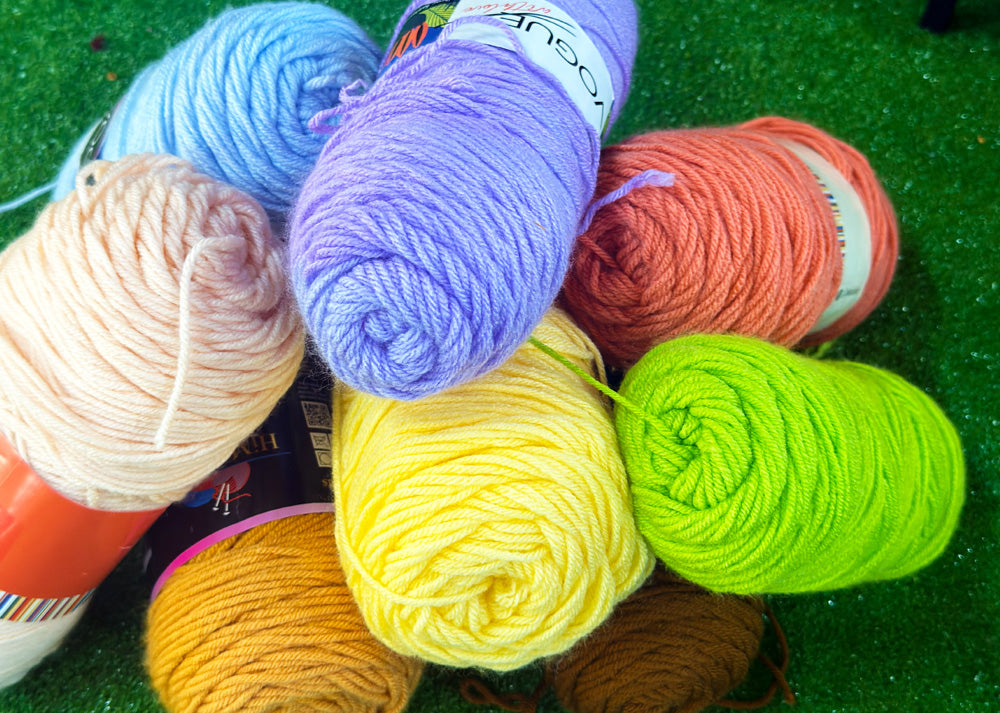
The quality of a tufted rug isn't just determined by its pattern or colors; it's the yarn—the very soul of the rug that you feel when you touch it. In the tufting world, the question "Which yarn should I use?" is the most common curiosity for both makers and buyers. There are dozens of different yarn types on the market, but are they all suitable for rug making? At GG Tufting, we've broken down the science of yarn that elevates a rug from "ordinary" to a "lifelong heirloom" just for you. 🧶 1. The Main Stars of the Tufting World There are basically three main types of yarn that work perfectly with tufting guns. Each has its own characteristics, ideal use cases, and price points. Acrylic Yarn 🎨 A synthetic fiber. It's the most popular material in the tufting world due to its vibrant colors and affordability. ✔ Very bright and vibrant color options ✔ Resistant to moths and moisture ✘ Can pill (fuzz) over time ✘ Not as soft and natural as wool Wool Yarn (100%) 🐑 The premium raw material for natural, high-end, and "heirloom-quality" rugs. New Zealand wool, in particular, is the pinnacle of this craft. ✔ Crush-resistant (bounces back easily) ✔ Natural, matte, and luxurious look ✔ Naturally fire-resistant and eco-friendly ✘ Higher cost Cotton Yarn ☁️ Completely plant-based and natural. Generally preferred for bath mats or decorative wall hangings. ✔ Skin-friendly and hypoallergenic ✔ Has a matte, pastel texture ✘ Not elastic, making it harder to work with ✘ More prone to getting dirty 🛡️ 2. Which is More Durable? Resistance to Foot Traffic The ability of a rug to bounce back to its original shape after being stepped on (Resilience): Wool Yarn Excellent Most Resistant to Crushing Acrylic Yarn Medium/Good May Flatten Over Time Cotton Yarn Low Best for Decorative Use 🔍 3. The Unsung Hero: Yarn Thickness (Ply) Yarn isn't just defined by its type, but also by its thickness. To prevent the yarn from falling out of the tufting cloth, a certain fullness is required. Recommended: Threading 2 or 3 Yarns at Once Usually, a single thin strand isn't fed into the gun. Strands are combined to create a plush, dense rug. + The ideal yarn thickness for tufting is around 3-4 mm (medium/worsted weight). If your yarn is thinner, you need to thread 2 or 3 strands through the gun's needle at the same time to achieve this thickness. 📊 4. Quick Comparison Table Feature Acrylic Wool Best Used For Wall Decor, Low-Traffic Areas Living Room Rugs, High Traffic Feel/Texture Slightly Synthetic but Soft Natural, Warm, and Dense Cleaning Easy to Wipe Clean Requires Care, Naturally Stain-Resistant Price Economical (Budget-Friendly) Premium (Higher Cost) 💡 GG Tufting Tip: If you're going to hang the rug on the wall or create a decorative object (like a mirror frame), Acrylic is a fantastic choice; its colors truly pop. However, if you want a floor rug that will be walked on and used for many years, Wool is always king. The Final Verdict: Which is the Best? There is no "best" yarn, only the "most suitable" yarn for your project. If your goal is to create a modern art piece with popping colors, acrylic is the way to go. If you're looking for classic, lifelong comfort, wool yarn is indispensable. If you want to own a professionally tufted rug, crafted by master hands with the right yarns—without having to worry about material choices, yarn thicknesses, or technical details—the GG Tufting collections are waiting for you. We choose the quality; you just enjoy the design.
Learn moreWhat is Tufting? The Art of Modern Rug Making Explained
Have you noticed those fluffy, colorful, and incredibly inviting rugs popping up all over social media lately? Welcome to the fascinating world of Tufting. This method, where traditional rug making meets modern technology and boundless creativity, is creating a quiet revolution in the world of interior design. But how did the thousands-of-years-old tradition of hand-knotting give way to electric tufting guns? At GG Tufting, we've broken down the behind-the-scenes magic and technical details of this art form that decorates your homes. 🧶 1. What Exactly is Tufting? Tufting literally means to gather in "tufts" or clusters. Technically speaking, it is the art of rapidly injecting yarn through a specialized backing fabric using an electric tufting gun. While traditional rugs have every single knot tied by hand, the tufting method "punches" the yarn into the fabric. This reduces a rug-making process that once took months down to mere days, while pushing design freedom to infinity. ✂️ 2. Two Distinct Textures: Cut Pile vs. Loop Pile There are two terms you will frequently hear in the tufting world. Understanding this technical difference is crucial as it determines the character of the rug. Cut Pile As the gun pushes the yarn into the fabric, it simultaneously cuts the end with a built-in scissor mechanism. The result is velvety, fluffy, upright yarn. This is the soft-textured style we prefer most at GG Tufting. Loop Pile The gun does not cut the yarn; instead, it leaves it in a continuous loop. The result is a tighter, knit-like, and more durable appearance. It is generally preferred for floor mats or high-traffic commercial areas. ⚙️ 3. The Birth of a Tufted Rug That soft rug in your hands actually goes through a 4-step "construction" process. 1 Design and Tracing The design is first prepared digitally, then projected onto a tightly stretched blank canvas and traced by hand. 2 Tufting The most enjoyable yet exhausting part. Colors are punched into the fabric with the tufting gun, staying true to the drawn template. During this stage, the rug is worked on from the back. 3 Gluing and Backing To prevent the yarns from pulling out, the back surface is coated with a special industrial latex adhesive, and a protective secondary backing is applied. This is when the rug becomes solid and durable. 4 Shearing and Carving This is the signature finish. The surface of the rug is shaved down with special clippers to make it smooth and even. The spaces between the design elements are then carved out to create a stunning 3D effect. 🌟 4. Why Choose a Tufted Rug? How is it Different from Factory-Made Rugs? 🎨 Limitless Customization Can be made in any color, shape, or design you desire. 🖐️ 100% Handmade There is a human touch and artistry in every single stitch. ✨ Rich Texture You can truly feel the plushness and volume of the acrylic or wool yarns. Art Brought to the Floor Tufting is not just a floor covering; it is an art object that completes your home decor. It's no different from a painting hanging on the wall, the only difference is you can touch it and walk on it. If you want to see the beautiful results of this intricate, labor-intensive process and add a unique piece with a story to your home, check out the GG Tufting collections. For us, every rug is a new story waiting to be told.
Learn moreAre Tufted Rugs Machine Washable? A Complete Care Guide
You've finally got your hands on a beautiful, handcrafted tufted rug, or maybe you're thinking about buying one. But how do you clean these custom-designed pieces? Can you treat them like standard machine-made rugs? Tufted rugs have a different structure than industrial woven rugs—consisting of yarn, glue, and backing layers. Because of this, cleaning them requires a bit of TLC (Tender Loving Care). At GG Tufting, we've put together the ultimate care secrets to extend the life of your rug for years to come. 🤔 The Short Answer: Can You Throw It in the Washing Machine? NO, NEVER! A washing machine will break down the special latex glue on the back of the tufted rug and completely ruin its structure. 🧶 1. Understanding Your Rug's Anatomy Tufted rugs are made by punching yarn through a fabric backing and securing it with Latex Glue. Latex is a flexible and durable material, but excess water, high heat, and harsh chemicals will drastically shorten its lifespan. 🌀 Washing Machines Breaks down the glue and rips off the backing. 🔥 High Heat Dryers or boiling water will melt the latex. 🧪 Bleach Discolors and ruins acrylic or wool yarns. ✨ 2. How to Clean It the Right Way Here is a 3-step cleaning routine to keep your rug looking as vibrant as day one: Routine Care: Vacuuming Use your vacuum cleaner on a "low suction" setting and turn off the beater bar (or use a brushless attachment). Overly strong suction can pull the yarns loose. A light, weekly vacuuming prevents dust from settling deep into the fibers. Spot Cleaning: The "Blotting" Method When a spill happens, NEVER RUB IT! Rubbing pushes the stain deeper into the yarn. Instead, press a clean, white cloth or paper towel over the spill to blot and absorb the liquid. Deep Cleaning: Rug Shampoo Create a foam using warm water (never hot) and a small amount of mild rug shampoo. Using only the suds/foam, gently wipe the area with a soft cloth. Be very careful not to soak the rug. 💧 3. The Ultimate Stain Guide Accidents happen. Here is your emergency stain prescription: Type of Stain How to Treat It Tea / Coffee Blot with a mixture of warm water and white vinegar. Greasy Food Sprinkle baking soda over it, wait for it to absorb the grease, then vacuum. Mud / Dirt Let it dry first! If you wipe it while wet, the mud will spread. Once dry, simply vacuum it up. ✂️ 4. My Rug is Shedding, Is That Normal? Yes! It is completely normal for tufted rugs to shed a bit, especially during the first few weeks. These are just excess fibers left on the surface from the yarns being cut during production. With regular vacuuming, this will decrease and eventually stop. Don't worry, your rug isn't going bald! 💡 Sunlight Warning: Avoid exposing your tufted rugs (especially those with acrylic yarn) to direct, harsh sunlight for extended periods. UV rays can cause the colors to fade over time. Treat It With Care, Keep It for Years A tufted rug isn't a factory-made product; it's a piece of art. When you treat it with the same care you would give a painting or handmade ceramic, it will remain the most stylish piece in your home for years to come. If you want to add the highest quality and most durable examples of this art to your home, check out the GG Tufting collections, where quality meets aesthetics.
Learn moreEssential Supplies for Rug Tufting: The Complete Guide
Behind those fluffy, colorful, art-like rugs you see on social media lies serious material engineering. Tufting isn't just simple knitting; it is a combination of electrical mechanisms, specific chemicals, and the right textiles. In this guide, we've listed all the materials you'll need from a rug's "skeleton to its skin," straight from a manufacturer's perspective and backed by GG Tufting experience. Make sure to read this before preparing your shopping list. 🔫 1. The Must-Have Main Equipment 🔫 Tufting Gun The heart of the craft. "Cut Pile" models are generally preferred because they give the rug that plush, fluffy look. When you pull the trigger, the needle punches in and out of the fabric dozens of times per second. 💡 Tip: For beginners, a "2 in 1" gun (capable of both cut and loop pile) is ideal. 🖼️ Tufting Frame & Gripper Strips The cloth must be stretched as tight as a drum. You cannot tuft properly without a sturdy wooden skeleton lined with "Gripper Strips" (carpet tack strips) to hold the fabric tightly in place. 💡 Tip: Your frame must stand firmly on the ground and shouldn't wobble. 🧵 Yarn Threader A small but vital tool. It is used to pull the yarn through the eye of the needle at the tip of the gun. They are very easy to lose, so keep extras handy. 🧶 2. The Chemistry & Layers of the Rug THE LAYERS OF A RUG Layer 1: Acrylic or Wool Yarn Layer 2: Primary Tufting Cloth Layer 3: Industrial Latex Glue (Carpet Adhesive) Layer 4: Final Backing (Secondary Backing) Primary Tufting Cloth You can't use ordinary canvas or burlap; the gun will tear right through them. A special tufting cloth made of 100% Polyester or a Cotton-Poly blend, usually marked with yellow woven guidelines, is an absolute must. Yarn Selection 100% Acrylic yarns are commonly used. They offer a wide color palette and a soft texture. For professional-grade or premium pieces, wool yarn can also be preferred. Rug Glue (Latex Adhesive) To prevent the yarns from pulling out, the back of the rug must be sealed. Special bucket adhesives (Latex) or carpet glues are used for this. The smell can be strong, so good ventilation is required. ✂️ 3. Professional Finishing Tools When your rug comes off the frame, it isn't "finished" yet. What makes it look professional is the carving and shaving process. 🪒 Carpet Clippers (Shaver): Used to level out the surface fuzz and define the design details (a process known as carving). ✂️ Duckbill Scissors: Specialty scissors with a unique blade used to fix yarn mistakes and trim excess threads flat against the surface without gouging the rug. 💳 4. Estimated Startup Costs (2024-2025) If you want to set up a workshop from scratch, here is an average cost breakdown you will encounter: Supply/Equipment Average Price (USD) Tufting Gun (Cut Pile) $150 - $200 Primary Tufting Cloth (2m x 1m) $15 - $20 Wooden Frame Supplies $30 - $50 Carpet Clippers / Carver $60 - $100 Starter Yarn Set & Glue $50 - $80 TOTAL ESTIMATED INITIAL INVESTMENT ~ $305 - $450 Important Note: The quality of these supplies impacts your final product by 50%. A cheap tufting gun will constantly break down, and the wrong cloth will tear repeatedly, quickly killing your enthusiasm. The Supply List is Complete, But What About the Labor? As you can see, producing a rug requires more than just yarn; it demands a serious equipment park and chemical processes. Completing this list is just the financial aspect of the job—the real work begins after that. If you're thinking, "I don't want to deal with sourcing materials, machine settings, and chemical fumes," you can browse our ready-made collections at GG Tufting. We use the highest quality materials to produce professional-standard rugs, allowing you to enjoy effortless quality in your home.
Learn more
A Better Investment Than a Savings Circle: Made-to-Order Tufting for Stay-at-Home Moms
For years, traditional "Savings Circles" (known as the famous "Gold Days" in Turkish culture) have been a popular financial tool for women. You gather once a month, pool your funds or gold coins, and the person whose turn it is gets the lump sum. It's a safe, social way to save. However, in today's economy, simply "saving" money isn't enough; you need to "produce" it. What if we told you there's a way to earn that "lump sum" every single month from the comfort of your home, without waiting for your turn? At GG Tufting, we’ve calculated the difference between passive investment and active production, revealing the true economic power of the tufting art for stay-at-home moms. ⚖️ 1. Are You an Investor or a Creator? Putting money in a savings account or buying gold is passive; you wait for it to appreciate. Tufting is active; you *create* the value. 📅 Traditional Savings Circle ❌ You Wait Your Turn: It might take months to get the cash. ❌ No Added Value: You get exactly what you put in over time. ❌ Extra Costs: Hosting, baking, and entertaining expenses. ✅ Effortless: No physical labor involved. 🔫 Tufting Side Hustle ✅ It's Always Your Turn: You earn whenever you want. ✅ High Value Added: You turn $20 worth of yarn into a $75 custom rug. ✅ Zero Inventory Risk: You only produce when an order comes in. ❌ Requires Effort: Takes time and physical work. 🧮 2. Let's Do the Math Think of the supplies needed to start tufting (tufting gun, frame, clippers, etc.) as an "Investment". How fast can you get a return on this investment (ROI)? Estimated Return on Investment (ROI) Initial Setup Cost ~$350 Sale of 1 Medium Rug ~$75 Material Cost Per Rug -$20 NET PROFIT PER RUG ~$55 CONCLUSION: By fulfilling just 7 ORDERS, you completely cover your initial workshop setup costs. After that, it's pure profit. 📦 3. Why Work on a "Made-to-Order" Basis? The safest business model for stay-at-home moms is "Made-to-Order". In this model, you run a business without draining your family budget. 01 Sell First, Produce Later The customer places an order and makes a payment (or leaves a deposit). Your capital comes directly from the customer. 02 Sourcing Materials You use the customer's money to buy the specific yarn and backing needed for that rug. Your pocket remains untouched. 03 Zero Inventory Risk You won't be stuck with unsold or out-of-season products. You only make what has already been sold. It's Not Just a Coffee Break, It's a Business Meeting When you get together with friends or neighbors, the conversation shouldn't just be about recipes. Turn your social network into a customer base! You'll likely get your first orders from those exact same friends. Show them the vision of a woman who isn't just "saving", but "creating and earning." The Choice is Yours: Wait or Create? Tufting is the modern era's most brilliant "golden bracelet"—a traditional Turkish term for a valuable, lifelong skill—for women wanting to contribute to their household economy. It takes time and effort, but the payoff is more than worth it. Of course, not every stay-at-home mom wants to deal with the yarn fuzz, noise, or shipping logistics of production. If you're saying, "I don't want to make them; I just want to decorate my home with this quality," you can browse our beautiful, handcrafted collections made with love in GG Tufting's professional workshop.
Learn moreStarting a Home Business with Low Capital: Will Tufting Supplies Break the Family Budget?
Working from home and being your own boss is a dream for many in today's economy, especially for those looking to bring in some extra income. But every aspiring entrepreneur has the same scary question in mind: "How much do I need to spend to get started? Will this investment put our family budget in a tight spot?" Tufting might look like it's full of complex machinery and expensive yarn from the outside, but with smart planning, it can turn into a very "sustainable" investment. At GG Tufting, we've transparently mapped out the costs of this business and how you can get started without breaking the bank. ⚖️ 1. One-Time vs. Ongoing Expenses In the tufting business, costs should be divided into two categories: "Equipment" and "Supplies." The part that actually strains the budget is the initial setup. 🏗️ Equipment (High Cost) Tufting Gun, Frame, Rug Carver. These items are bought once and used for years. They make up about 70% of the initial budget. 🧶 Supplies (Low Cost) Yarn, Backing Cloth, Glue. Purchased as orders come in. Because they are "buy as you sell" materials, they don't exhaust your budget. 💰 2. A Wallet-Friendly Starter Kit You could spend over $1,100 on a market-ready setup, or you could do it for around $350. To protect the family budget, you shouldn't start with the "best," but rather with the "functional." Here are the minimum setup costs (Estimated 2024-25 Market Averages): Material Necessity Estimated Cost Tufting Gun (Cut Pile) Mandatory ~$170 Wooden Frame (DIY) Mandatory ~$25 (Lumber/Hardware) Cloth & Yarn (Starter) Mandatory ~$70 Rug Carver / Clippers Optional (Can use scissors initially) ~$60 TOTAL STARTUP ~$325 - $385 *This amount is less than the price of a mid-range smartphone. A phone won't make you money, but this home studio will. 💡 3. Tips for Starting on a Budget If your capital is limited, you need to use a "Maker" mindset to cut expenses. 🔨 Build Your Own Frame Ready-made metal or pre-built frames can cost over $100. By buying some wood from a hardware store and screwing it together, you can build your own frame for about $20-$30. 🧶 Use Acrylic Yarn During the learning phase, instead of using expensive wool, practice with widely available and affordable acrylic yarn. ✂️ Manual Trimming Instead of buying a $60+ professional rug carver right away, you can use a good pair of fabric scissors for manual trimming in the beginning. ⚠️ 4. The Hidden Cost: The "Dead Investment" Risk Let's Be Honest: The biggest risk in this business isn't the price of the materials; it's buying them with enthusiasm and never using them. If you spend $350, use the gun twice, and then shove it in a closet, that's when the family budget gets hurt. Before starting, ask yourself: "Am I ready for the dust, the noise, and the physical effort?" Conclusion: Is It a Logical Investment? If you have a sustainable business plan, tufting is a "Low Capital, High Return" hustle. You can easily recoup your entire initial investment with your first 5 or 6 rug sales. However, if you're thinking, "I don't want to take an investment risk or deal with sourcing materials, but I do want a professional tufted rug in my home," you can check out GG Tufting's ready-made collections. We craft them with zero risk to you, using the highest quality materials.
Learn more